
Close Menu
    Facebook X (Twitter) Instagram
    TRENDING :
    • How to avoid decision fatigue
    • Judge Dismisses Nevada Trump 2020 Alternate Electors Case After Years of Lawfare * The Gateway Pundit * by Cristina Laila
    • Germany Imported A Crisis And Now The Prisons Tell The Story
    • That Business Idea You Couldn’t Justify Years Ago Is Worth Revisiting, Thanks to AI
    • Supposed ‘Comedian’ Margaret Cho Says if You Make Jokes About Trans People, Trans People Die (VIDEO) * The Gateway Pundit * by Mike LaChance
    • Wholesale Inflation Is Cooling, But Do Not Confuse That With Deflation
    • Why the Founders Winning With AI Agents Aren’t the Ones Automating the Most
    • New York Governor Kathy Hochul BRAGS About Spending Millions of Tax Dollars on Legal Bills for Illegal Immigrant Children
    Populist Bulletin
    • Home
    • US Politics
    • World Politics
    • Economy
    • Business
    • Headline News
    Populist Bulletin
    Home»Business»Mosquitoes have just been found in Iceland for the first time. It’s more alarming than it sounds
    Business 4 Mins Read

    Mosquitoes have just been found in Iceland for the first time. It’s more alarming than it sounds

    Business 4 Mins Read
    Share Facebook Twitter Pinterest LinkedIn Tumblr Telegram Email Copy Link
    Follow Us
    Google News Flipboard
    Share
    Facebook Twitter LinkedIn Pinterest Email

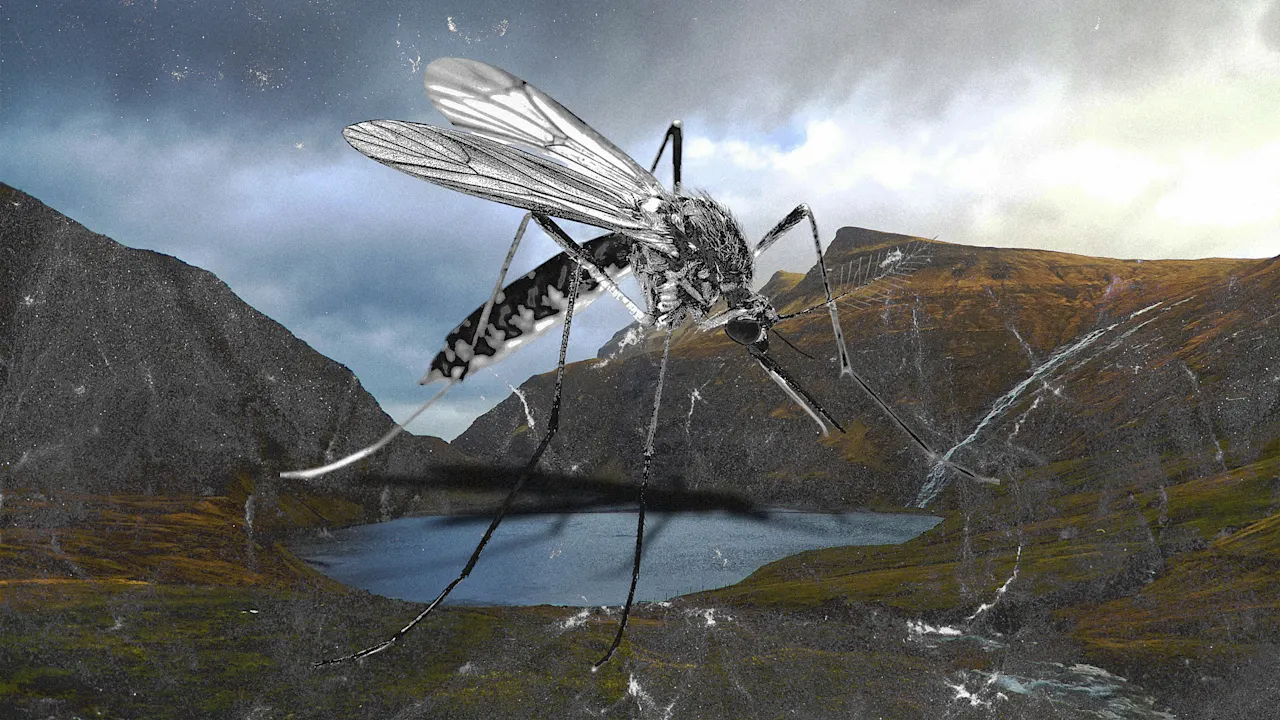
    Iceland has long been known as the only habitable place in the world free from mosquitoes. (Antarctica is also mosquito-free, but is not habitable to humans). The Nordic country has been spared from the insects in part because of its intense winters and oceanic climate—until now. 

    Mosquitoes have been found in Iceland for the first time this month, a sign of how our warming world is enabling the pesky and downright deadly insects to expand their range.

    An insect enthusiast in Kjós named Björn Hjaltason posted about his discovery in a Facebook group that translates to “Insects in Iceland,” multiple Icelandic news outlets have reported. “Ladies and gentlemen—may I introduce . . . for the first time in Iceland . . . MOSQUITO!” the post read, according to the Icelandic newspaper Vísir.

    After finding three mosquitoes, Hjaltason sent the insects to the Natural Science Institute of Iceland, which researches the country’s natural environment. Matthías Alfreðsson, an entomologist there, confirmed the bugs were, in fact, mosquitoes—specifically, ones from the Culiseta annulata species, which is native to northern Europe. 

    Mosquitoes have previously been found on planes coming into Iceland, Alfreðsson told RÚV, the national public broadcaster, but this recent finding marked the first time that the insect has been found on Icelandic soil. He said the discovery was significant.

    A warming world 

    Climate change is causing the entire planet to experience record-high temperatures, and Iceland is particularly affected. Iceland has been warming about three times faster than the global average warming rate, according to the Icelandic Meteorological Office.

    Rising temperatures are also lighting a fuse under volcanoes, causing more eruptions—a process already observed in Iceland. Almost all of Iceland’s glaciers are receding, and some have vanished completely. 

    As our planet warms, it becomes more hospitable to insects, which spread beyond their native regions. Scientists have long warned that mosquitoes are on the move, and as they are the world’s deadliest animal—carrying diseases from malaria to Zika virus to dengue fever—that puts millions more people at risk.

    Culiseta annulata is not considered a primary vector for disease, but other mosquitoes that have been expanding into colder areas of the world are. Asian tiger mosquitoes, originally from Southeast Asia, which transmit dengue, have recently been found in the United Kingdom, for example. 

    In Iceland to stay

    Iceland was always somewhat of an anomaly when it came to its lack of the buzzing, biting bugs. Its Nordic neighbors, including Denmark, Norway, and Greenland, have had thriving mosquito populations. Iceland is also full of lakes and ponds, where mosquitoes often breed. (The country is home to other flying, biting bugs, though.)

    Scientists have theorized, The New York Times previously reported, that Iceland’s “oceanic climate,” including its multiple major freezes and thaws each year, has kept the bugs from breeding and surviving. 

    But the mosquitoes recently found in Iceland are likely there to stay, entomologists say.

    The species is particularly cold-resistant and may survive the Icelandic winters by hiding out in basements or barns. Experts will need to monitor the situation come spring to see if the species really becomes “established” in Iceland, one entomologist told Fast Company.

    Their potential infiltration of the Nordic island ultimately isn’t much of a surprise to scientists, who have expected this outcome as evidence of global warming has mounted. 

    Iceland’s average air temperature has increased about 2 degrees Fahrenheit in the past 20 years, per the Times, allowing some 200 new insect species to make Iceland their home, when they couldn’t previously survive its conditions. 

    “If the warming continues, we may find mosquitoes in Iceland in the near future,” Gisli Mar Gislason, a biologist at the University of Iceland, predicted in an interview with the Times in 2016.


    Source link

    Share. Facebook Twitter Pinterest LinkedIn Tumblr Email

    Related Posts

    How to avoid decision fatigue

    August 14, 2026

    That Business Idea You Couldn’t Justify Years Ago Is Worth Revisiting, Thanks to AI

    August 14, 2026

    Why the Founders Winning With AI Agents Aren’t the Ones Automating the Most

    August 14, 2026
    Top News
    Business 11 Mins Read

    What Is Customer Experience Software and How Can It Benefit Your Business?

    Business 11 Mins Read

    Customer experience software is a collection of digital tools that helps businesses manage interactions with…

    3 defining trends for cybersecurity in 2026

    January 3, 2026

    Market Talk – September 29, 2025

    September 29, 2025

    Why the new Best Casting Oscar is a win for unsung heroes across the workforce

    March 14, 2026
    Top Trending
    Business 4 Mins Read

    How to avoid decision fatigue

    Business 4 Mins Read

    Over the years, I have taught a lot of classes on creativity,…

    World Politics 3 Mins Read

    Judge Dismisses Nevada Trump 2020 Alternate Electors Case After Years of Lawfare * The Gateway Pundit * by Cristina Laila

    World Politics 3 Mins Read

    Nevada electors sing the National Anthem on January 6, 2021. Clark County…

    Economy 5 Mins Read

    Germany Imported A Crisis And Now The Prisons Tell The Story

    Economy 5 Mins Read

    Germany has spent more than a decade lecturing everyone about the supposed…

    Categories
    • Business
    • Economy
    • Headline News
    • Top News
    • US Politics
    • World Politics
    About us

    The Populist Bulletin was founded with a fervent commitment to inform, inspire, empower and spark meaningful conversations about the economy, business, politics, government accountability, globalization, and the preservation of American cultural heritage.

    We are devoted to delivering straightforward, unfiltered, compelling, relatable stories that resonate with the majority of the American public, while boldly challenging false mainstream narratives that seem to only serve entrenched elitists, and foreign interests.

    Top Picks

    How to avoid decision fatigue

    August 14, 2026

    Judge Dismisses Nevada Trump 2020 Alternate Electors Case After Years of Lawfare * The Gateway Pundit * by Cristina Laila

    August 14, 2026

    Germany Imported A Crisis And Now The Prisons Tell The Story

    August 14, 2026
    Categories
    • Business
    • Economy
    • Headline News
    • Top News
    • US Politics
    • World Politics
    Copyright © 2025 Populist Bulletin. All Rights Reserved.

    Type above and press Enter to search. Press Esc to cancel.