
In 1994, the last time U.S. stadiums hosted the World Cup, an average ticket cost US$58. The most expensive ticket for the final could be grabbed for $475.
Adjusted for inflation, that would be $131 and $1,069, respectively, in today’s prices. Fast-forward 22 years, and things have become a lot pricier.
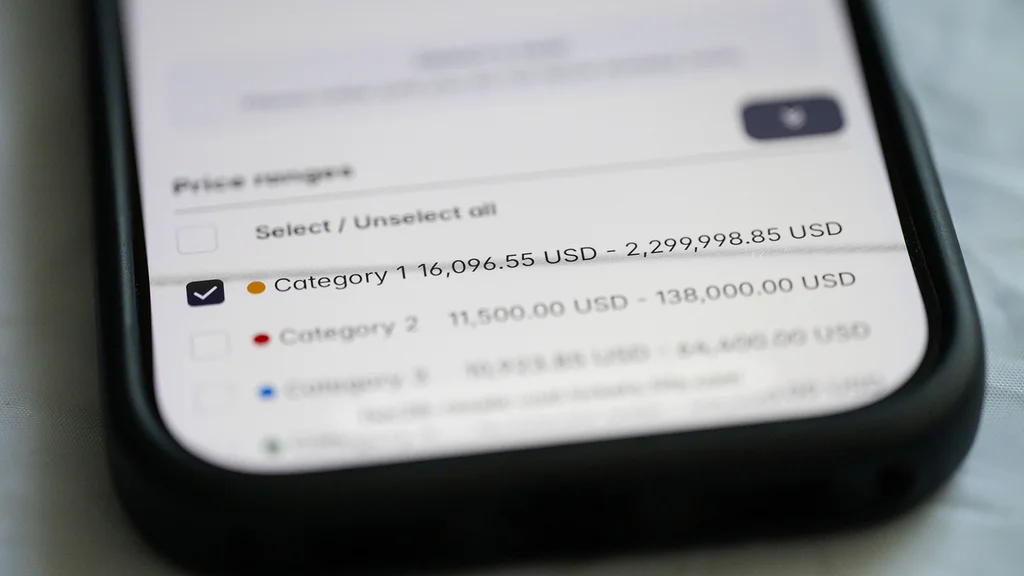
In the tournament due to begin on June 11, 2026, at the Azteca Stadium in Mexico, the average ticket prices have been in the region of $1,300. The cheaper tickets for the final are going for a whopping $10,000, and it is even more for the better seats.
That represents an inflation-adjusted increase in average ticket prices of about 1,000% between the two times the U.S. has hosted or co-hosted the event. As a benchmark for comparison, over that period, median household incomes in the U.S., adjusted for inflation, have risen by only 32%.
But is ticket pricing the real problem with the World Cup? As a soccer economist and co-host of the Soccernomics podcast, it is a question I have long thought about. And economic analysis can bring some clarity as to what brought about such eye-watering ticket prices, whether they are justifiable, and why many think them unfair.
To start things off, let’s entertain a thought experiment. The three host nations of the World Cup—Canada, Mexico, and the United States—are home to around 200,000 ultra-high net worth individuals (those sitting on fortunes in excess of $30 million). If that elite group contained 82,500 soccer fans prepared to pay $300,000 for a ticket to fill out the MetLife Stadium in New Jersey for the final, it would represent a payday for FIFA of close to $25 billion. And that isn’t a fanciful price—tickets for the final have listed for far higher.
Now if FIFA vowed that all that money would go to good causes—say, eradicating malaria or ensuring that underprivileged kids had access to state-of-the-art soccer equipment and programs—would anyone really gripe that it came at the cost of making tickets affordable for all?
The problem is FIFA is not vowing any such thing. FIFA President Gianni Infantino has stated that all money generated “goes back into the game all over.” But given the governing bodies’ reputation for shadowy financial doings, there are reasons to think much of the money will never be properly accounted for.
The key point is this: It’s not really the high ticket prices in themselves that are the problem; it’s the context in which they are being sold.
The devil in the dynamic pricing
That context involves at least three elements that critics have found particularly offensive.
First is the same thing that is the bane of gig-going music fans and frequent fliers alike: dynamic pricing.
The economic term for such a policy is “price discrimination.” It amounts to charging people according to their willingness to pay rather than the cost of supplying the commodity or service.
Dynamic pricing is simply an algorithm created to achieve that by exploiting market power. Although not illegal, the announcement of investigations by the New York and New Jersey attorneys general suggest that FIFA might have some legal problems down the road.
Second, the whiff of corruption around FIFA never goes away.
The 2015 prosecutions of high-ranking soccer officials revealed the extent of corrupt practices relating to the sale of broadcast rights. A recent statement by prominent figures in the world of soccer administration suggested that since then, things have gotten worse.
When it comes to ticket revenues, where is all the money going? Most of it goes back, in one way or another, to the national soccer associations that make up FIFA.
How they use it depends on their probity. Ideally, the money goes to invest into grass roots development—but in many cases, there seems little to show for FIFA’s largesse. Notorious figures such as Jack Warner from Trinidad and Tobago and Chuck Blazer from the U.S.—known as “Mr. 10%” due to the cut he took for doing business with him—are just the most egregious examples.
FIFA stands accused of doing little or nothing to investigate where the money it hands out eventually ends up. I believe a little sunlight would be a great disinfectant.
Fans hold their nose . . . up to a point
The third issue, which is related to corruption, concerns the identity of the host nations.
Russia hosted in 2018 despite having invaded the sovereign territory of another FIFA member four years before. Qatar in 2022 was allowed to host despite evidence of human rights abuses. Now, we have the bizarre spectacle in which a World Cup is being co-hosted by a country with a leader who has threatened to annex a fellow host country and started a war against one of the participating nations.
There is a long history of supporters looking past the political realities in order to enjoy the soccer, but there are limits for fans. World Cups don’t just boost the coffers of FIFA; they provide a diplomatic and economic fillip for the host nations—something many see as “sportswashing” when the said hosts have checkered reputations.
So fans have genuine reasons to resent the way in which FIFA organizes the World Cup both politically and commercially.
But in an ideal world, should ticket prices be cheap? Economists often have a smug answer to this: The price should be set at what the market will bear. The World Cup is popular, tickets are scarce, and so, of course they should be expensive.
In my view, that is a little too simplistic. The fundamental economic proposition is that prices should reflect the additional cost of supplying the service, or “marginal cost” in the economic jargon. And in this case, the marginal cost of each ticket is small—there are not even any very substantial overheads to cover, which often justify a higher price.
The fact that marginal cost pricing would lead to reselling, creating windfall profits for anyone lucky enough to get a rationed ticket, does not alter the principle. Rather, it just demonstrates that there is a problem.
Global soccer’s affordability crisis
FIFA’s apparent answer to the problem of rationing is allowing for a system that lets only the richest people have access.
If rich people were rich because they worked hard, and poor people were poor because they didn’t, then maybe this would all seem fair. But most people don’t think that’s how the world really works. If there is to be rationing, most people would probably prefer that committed fans, with no interest in reselling, were rewarded with low-cost tickets.
Put simply, the typical fan is experiencing an affordability crisis when it comes to ticket prices at this World Cup—the tickets they could afford in 1994 may now be unattainable, or at least would put a major stress on their household budget.
But this reflects a broader social problem. The dissatisfaction with World Cup ticket pricing reflects a general discomfort with income distribution in the modern world. Income inequality has far bigger consequences for most people—in terms of their life prospects and life expectancy—than whether they can squeeze into a stadium to watch a World Cup game.
The gap between the wealthy elites who can afford anything they want and the struggling middle for whom more and more of life’s opportunities are becoming out of reach is one of the primary economic problems of our age. To me, World Cup ticket prices are a striking illustration of how deep this reality has become.
Stefan Szymanski is a professor of sport management at the University of Michigan.
This article is republished from The Conversation under a Creative Commons license. Read the original article.