
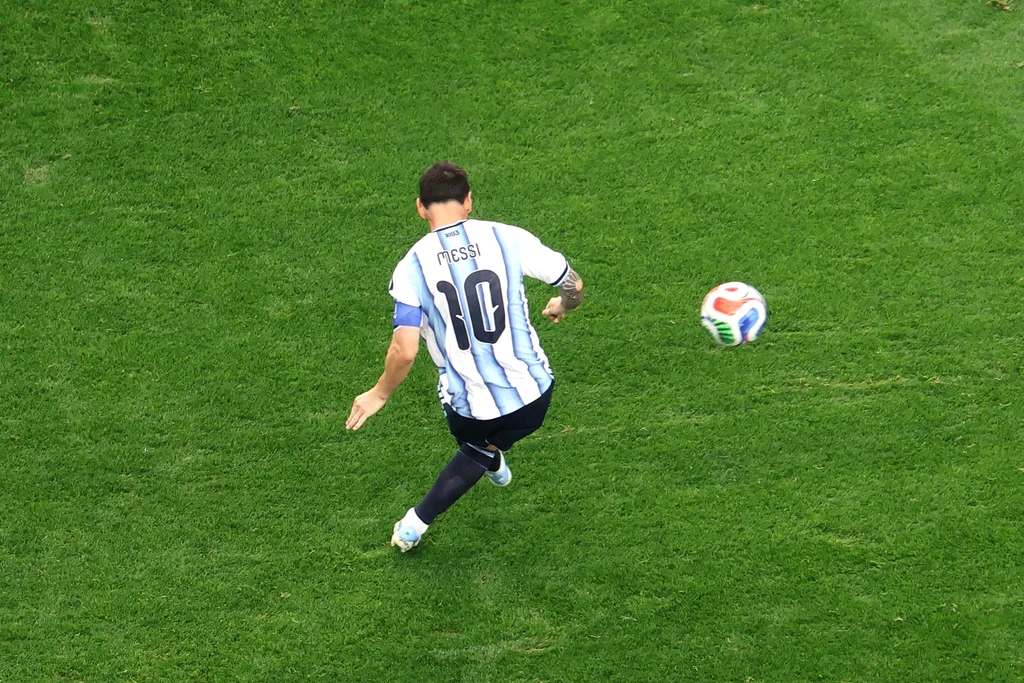
On June 22, Lionel Messi became the all-time leading goal scorer in World Cup history, 20 years after his tournament debut in 2006. A lot has changed for Messi in those two decades, but his most avid fans might have noticed that one thing stayed more or less the same: his footwear.
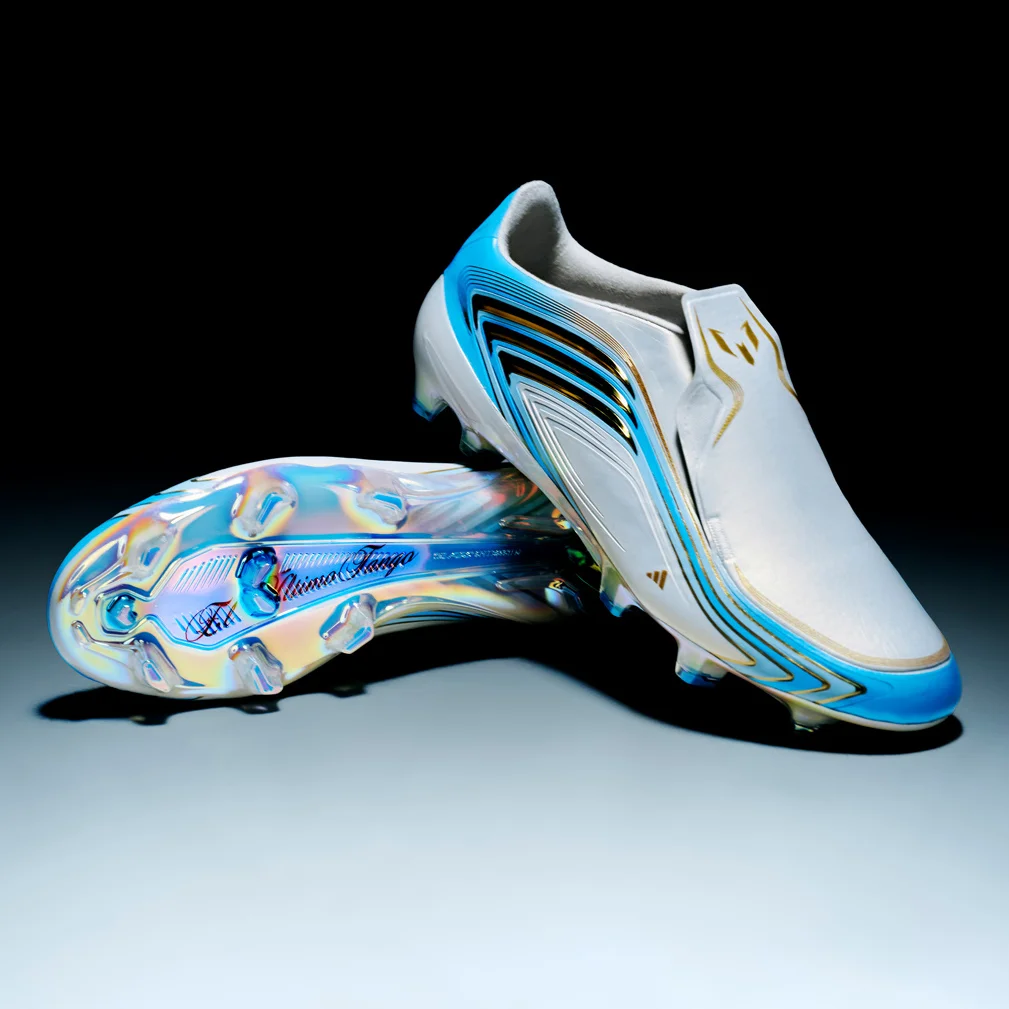
When Messi (whose birthday is today, June 24) first stepped onto the World Cup pitch at the age of 18, he was wearing a pair of Adidas F50.6 Tunit cleats. And while setting his goal-scoring record, he was wearing a custom pair of cleats—called the Adidas F50 El Ultimo Tango—designed to mimic the silhouette of that original pair. The shoes, which were revealed on June 5 and cost $280 on Adidas’s website, are sold out in nearly every size. Following Monday’s game, they’re now reselling on eBay for $800 or more.
To design the F50 El Ultimo Tango, Adidas took the original F50.6 Tunit, tuned up its exterior, and reimagined its construction with the brand’s most modern tech. It was a two-year process, including plenty of input from Messi himself, to create a boot fit for what’s likely his last World Cup.
Messi takes a look through the cleat archives
When the F50.6 TUNiT was first released in late 2005, it was a major moment for Adidas’s sports innovation.
The shoe’s main distinguishing feature was its customizability. It came with a variety of different uppers in a range of materials, as well as “soft ground,” “firm ground,” and “hard ground” studs, allowing players to adjust the boot to fit their own needs and playing conditions.
For the 2006 World Cup, Adidas released a series of limited-edition uppers designed for the various nations in the tournament, including one for Argentina with blue and yellow stripes and a metallic winged look, which Messi wore on the field.
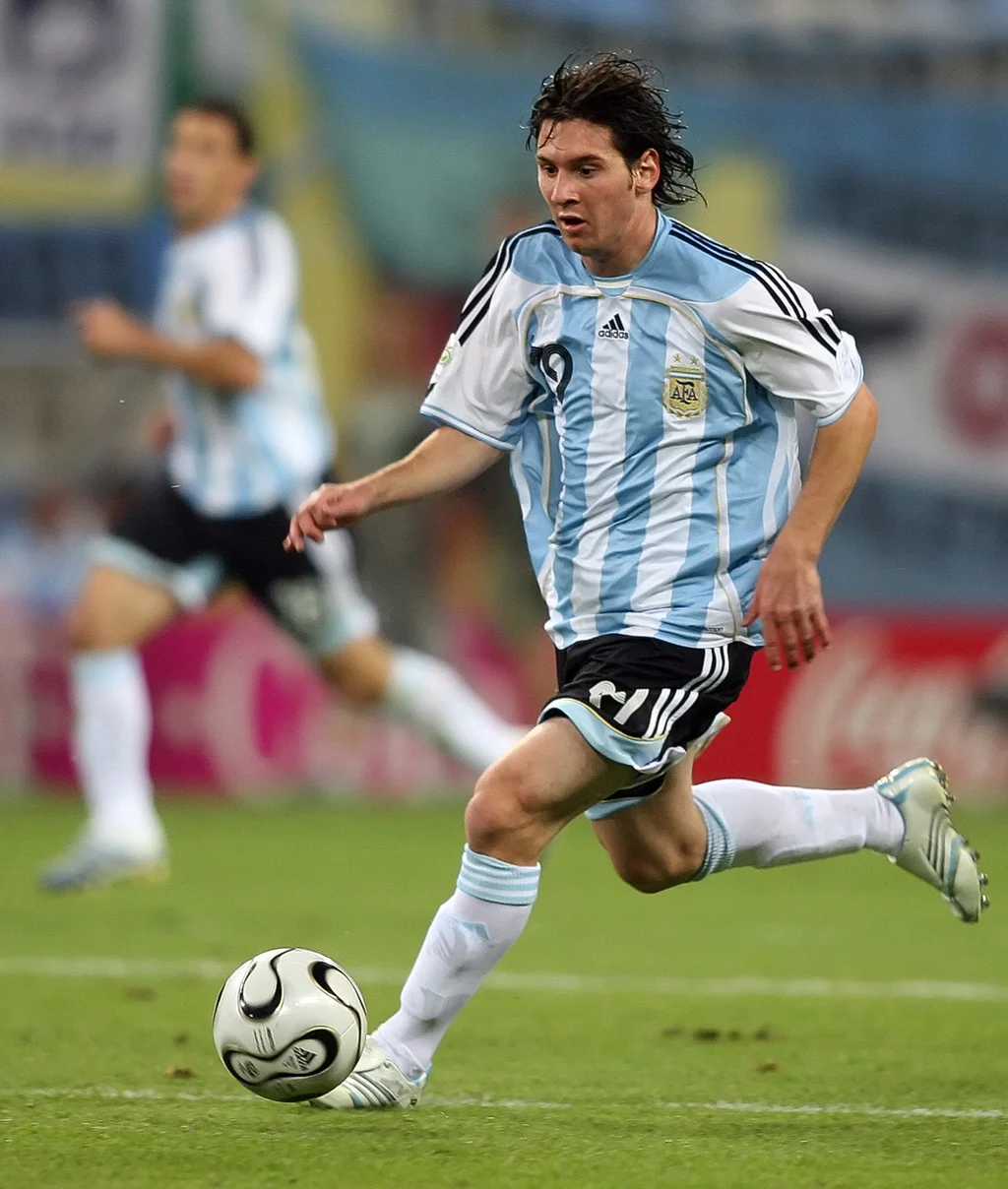
“The F50.6 Tunit from 2006 is such an iconic moment in Messi’s story—it’s where his World Cup journey began,” says Sam Handy, general manager of Adidas Football. “For us, this project is about coming full circle. Twenty years on, we’re looking at what could be his final World Cup, and reconnecting it to that starting point.”
The journey to create the F50 El Ultimo Tango started back in 2024, when Messi visited the Adidas headquarters in Herzogenaurach, Germany, to take an archival trip through his own boot history. At the time, Handy says, Messi expressed that “going full circle at this FIFA World Cup, back to that original F50, was something he was very keen to do.”
Retro aesthetics, new build
From a design perspective, the Adidas team aimed to replicate some of the most recognizable elements of the original F50.6 Tunit.
That included a cover that obscures the laces, giving the boot a smooth, streamlined look, and flow lines running along the shoe’s forefoot. And, like the original, the colors of the Argentinian flag and national team kit (uniform) served as the starting point for the shoe’s aesthetics. It features an ivory base, pops of bright blue, and metallic gold stripes.
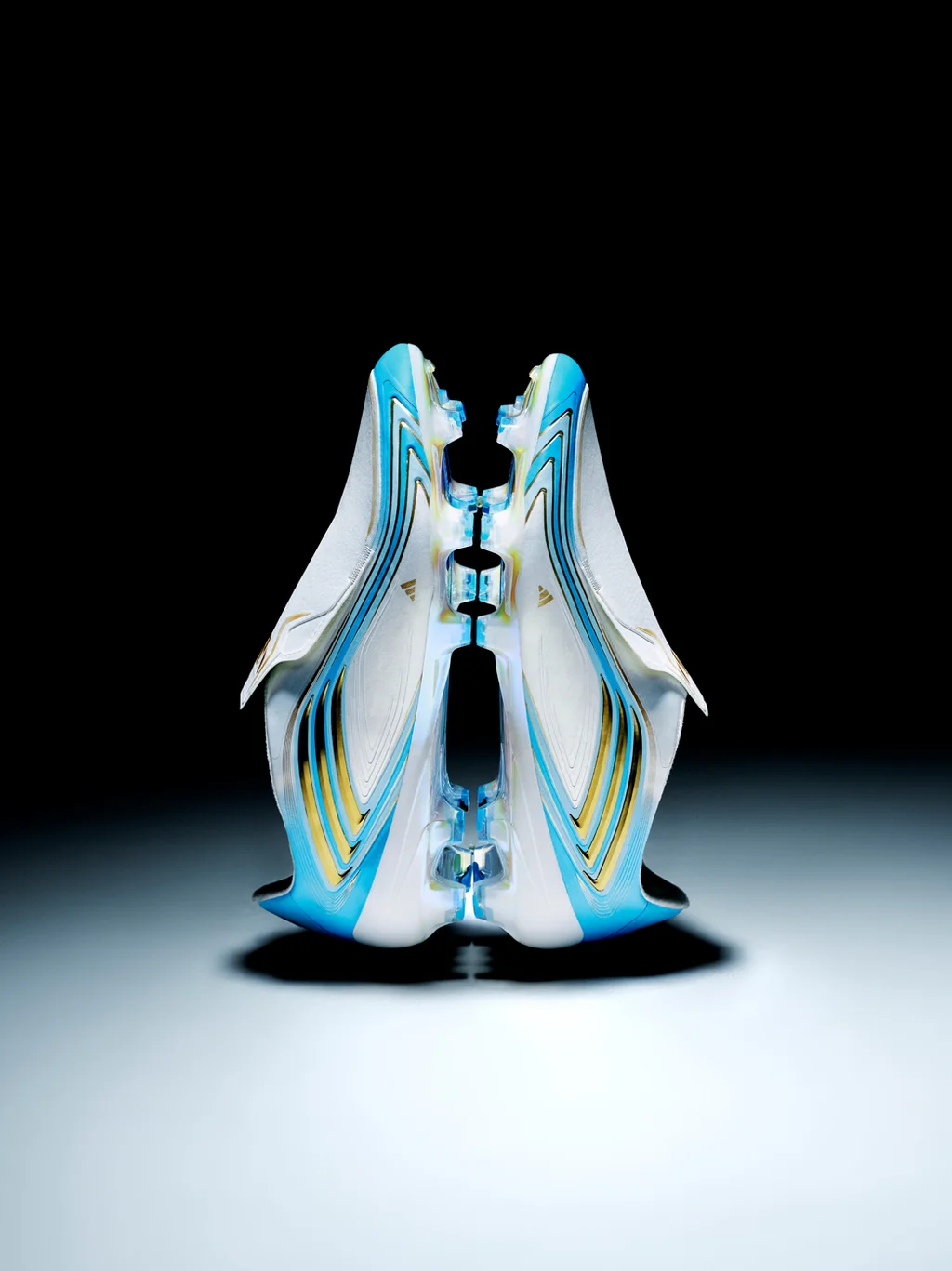
“From there, we wanted to elevate it and make it feel as special as the moment,” Handy says. “We explored influences outside of football, particularly motorcycle design and lowrider culture, where you see this really interesting balance between premium finishes and bold, expressive detailing. That’s where the gold and iridescent effects come in—they bring a sense of movement and energy to the boot.”
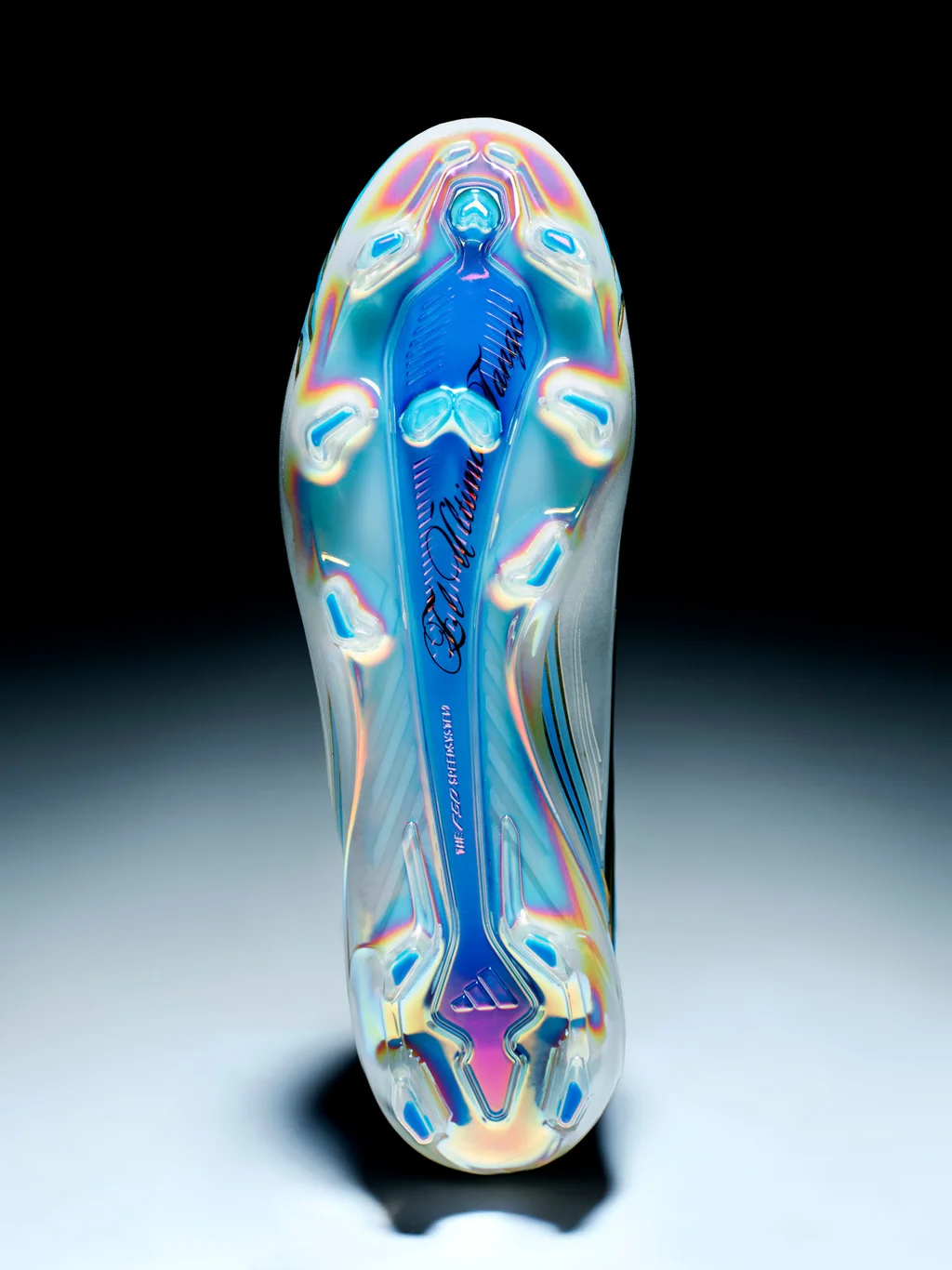
While the design of the F50 El Ultimo Tango might mimic the F50.6 Tunit, Handy says, on the performance side, it’s “a completely new boot.” The upper is made from Adidas’s HybridTouch+, which is a synthetic material designed to offer a grippier surface for better ball feel. In the back, a stitch-and-turn construction offers more padding and support for the heel. And the whole boot has been updated with Adidas’s latest F50 speed tooling.
“Ultimately, the goal was to take the spirit of the 2006 boot and present it in its most elevated, celebratory form—really showing those original cues in their most glorious way,” Handy says. “While it looks back, technically it’s built for the modern game at the highest level.”