
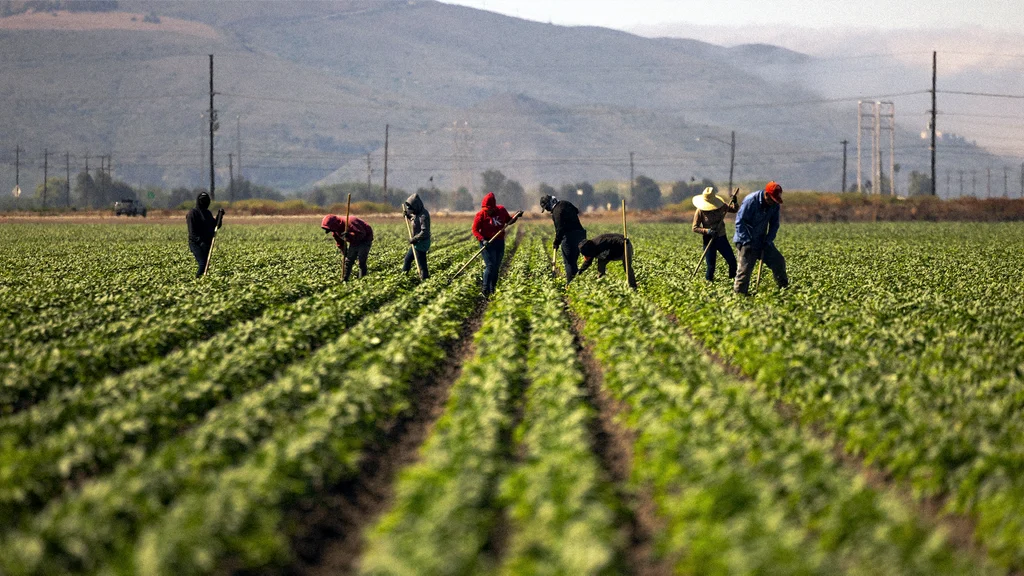
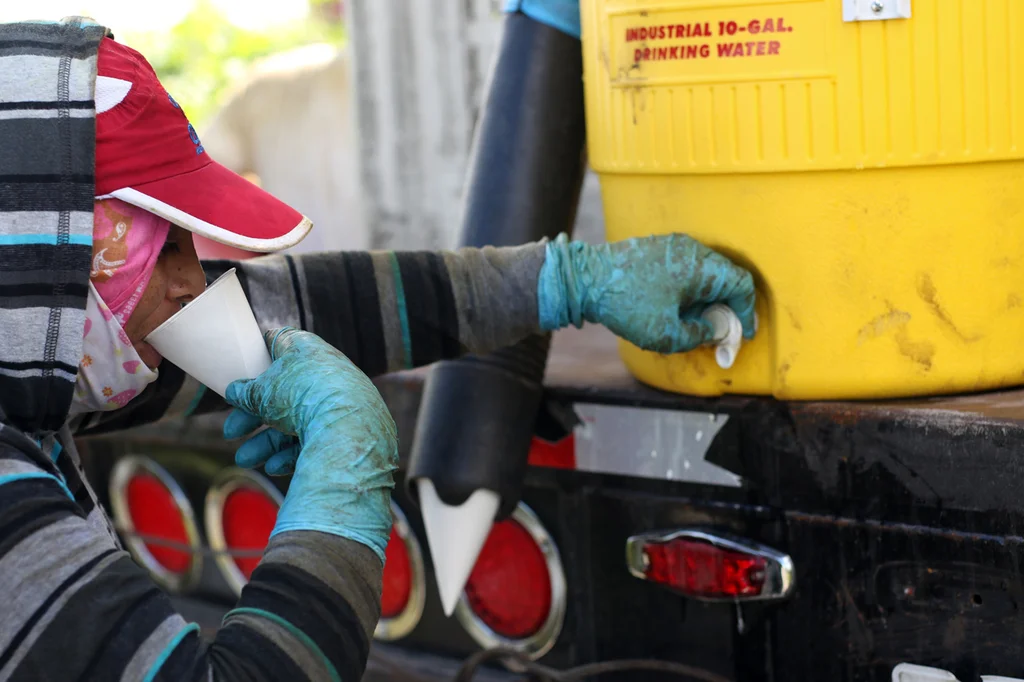
On certain farms across 22 states, workers who harvest everything from tomatoes to tulips to blueberries will now have mandatory access to electrolytes, which can help them stay safe in dangerous extreme heat.
It’s the latest rule from the Fair Food Program, a partnership between growers, farmworkers, and food retailers (including Walmart, McDonald’s, Whole Foods Market, and Trader Joe’s) to improve working conditions on farms.
As extreme heat worsens and becomes even more dangerous, it’s a crucial step, the program says, to keeping workers healthy.
Farmworkers have the highest heat risk
When a heat wave hits, farmworkers are among the most vulnerable: they’re 35 times more likely to die from heat-related stress than workers in any other industry. Farm work is physically grueling, and, particularly during harvest season, workers can be outside from sun up to sundown.
There are currently no federal standards to protect outdoor workers, including those on farms, from heat.
The Fair Food Program, however, has its own set of heat protections, including mandatory breaks, guaranteed access to shade and water, and trainings on how to spot symptoms of heat stress for both workers and supervisors.
Now it’s added a rule, which took effect August 1, requiring all participating growers to provide electrolyte beverages or supplements to workers year-round.
Water can only rehydrate workers to a certain extent, particularly during extreme temperatures. Research is increasingly highlighting the importance of electrolyte replacement as a crucial way to prevent heat-related illness, and to protect organs including kidneys from heat stress.
“There have been many, many cases of farmworkers, who have worked for years in the field without adequate hydration, experiencing major organ failure, particularly kidney failure, at young ages,” says Laura Safer Espinoza, senior advisor to the Fair Food Program and founding executive director of the Fair Food Standards Council, the monitoring and auditing body that oversees the Fair Food Program’s implementation.
Electrolytes can preserve kidney function, studies have found; they also mitigate heat stress and help prevent dehydration, which can cause heat stroke.
How the Fair Food Program works
The Fair Food Program is unique in terms of worker protections. Launched in 2011 by the Coalition of Immokalee Workers, a worker-based human rights organization, the program certifies farms that meet its worker safety standards. Those growers then get prioritized when it comes to purchases from participating buyers—retailers including Walmart, McDonald’s, Chipotle, Yum Brands, and more.
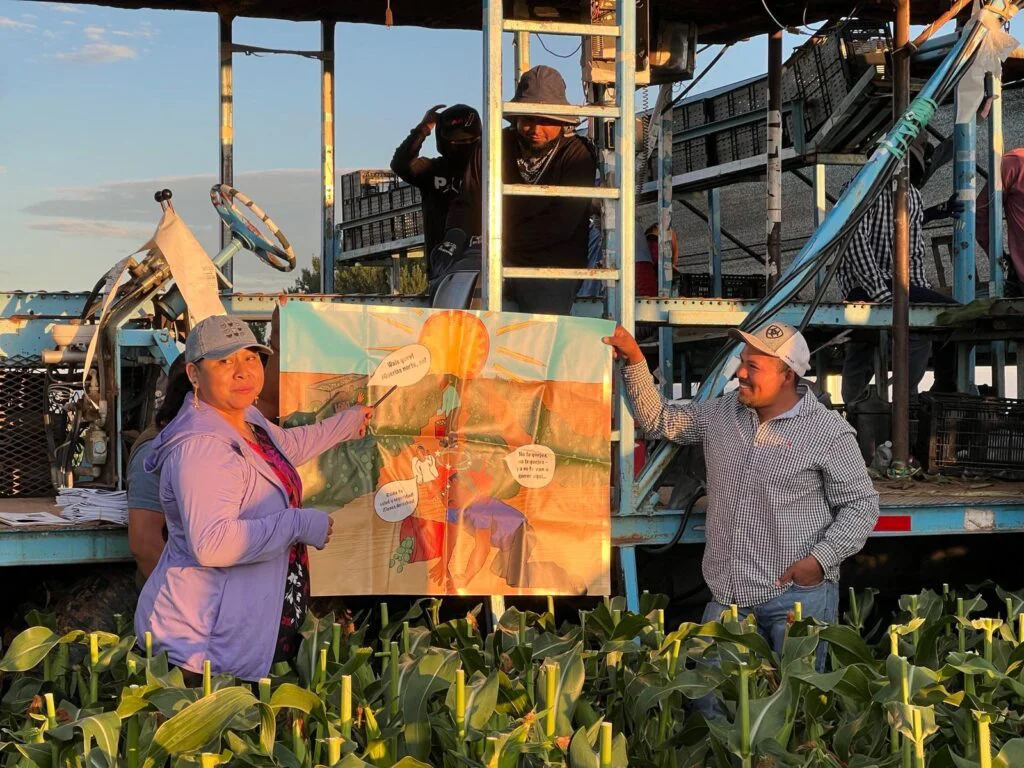
Those buyers pay a premium, which gets passed down to the workers. Farms are audited and inspected regularly, and workers can report complaints and violations via a 24-hour-hotline, the number for which is on their pay slips (education sessions also inform workers about their rights and how to lodge complaints).
The program protects workers from repercussions, but the consequences for growers are real: if growers don’t remedy their issues, they’re put on probation and then ultimately suspended, for which buyers are contractually obligated to stop purchasing from such farms. That makes it far more effective than voluntary corporate initiatives.
The Fair Food Program set its heat stress prevention and response standards in 2021, a collaborative effort between a working group of participating farmers and growers and the Coalition of Immokalee Workers.
Those standards included mandatory breaks every two or two and a half hours during a farm’s harvest window, which changes depending on where farms are located; in Florida, that spans almost seven months from April 1 to November 15, the hottest time of the year.
Making breaks mandatory means workers will actually take them, whereas if workers simply have the right to a break, they may not.
“There is always pressure to produce, and so if your coworkers are not taking a break and you are, you feel, perhaps, at a disadvantage,” Safer Espinoza says.
A win-win-win for farmworkers, growers, buyers
Such protections, including the new rule about electrolytes, help workers stay safe and healthy in the heat. They also benefit both growers and buyers.
“If workers are healthier, then their employers are not having as many workers’ compensation claims, they are not losing production time by people becoming ill or sidelined and recuperating from serious symptoms,” Safer Espinoza says. “It’s less disruptive, ultimately, for the food supply chain.”
Implementing the electrolyte rule took a little bit of time. Once the working group decides on a new standard, they have to publish it to the growers months in advance and set up educational efforts on the farms for both workers and supervisors. It normally takes a season or two, Safer Espinoza says, for a standard to become “fully assimilated” into a farm’s operating procedures—and for the workers to believe that it will actually be enforced.
There’s been little resistance to the addition of the electrolyte requirement, she adds: “There was very little argument about the fact that the body needs those replacements in order to function well in doing a lot of heavy, strenuous work for many hours at a time.”
Growers now see these safety standards as a good investment in their workforce. The realities of climate change-fueled extreme heat are also becoming more and more obvious. Extreme heat events are becoming both more frequent and intense; multiple back-to-back heat domes in July broke heat records across the U.S. Workers in other industries, including construction, are looking at the Fair Food Program as a model for heat-stress prevention.
“Everybody knows that it’s hot and getting hotter,” Safer Espinoza says. “Growing seasons are changing, and everybody who’s involved in agriculture is experiencing this.”
In August 2025, a farmworker in Immokalee, Florida, died of heat stroke, collapsing in the field on a 95-degree day. That worker was on a non-Fair Food Program farm. Safer Espinoza says that death was preventable: If he had been on a Fair Food Program farm, supervisors would have been alerted to his symptoms.
There have been no recorded heat-related deaths on Fair Food Program farms. The program expects to see more benefits from adding its electrolyte rule, like fewer injuries and illnesses in the field.
“They are the people who harvest the food we eat,” Safer Espinoza says of farmworkers. “They’re a critical component of the food supply chain, and protecting their health and safety protects all of us.”