
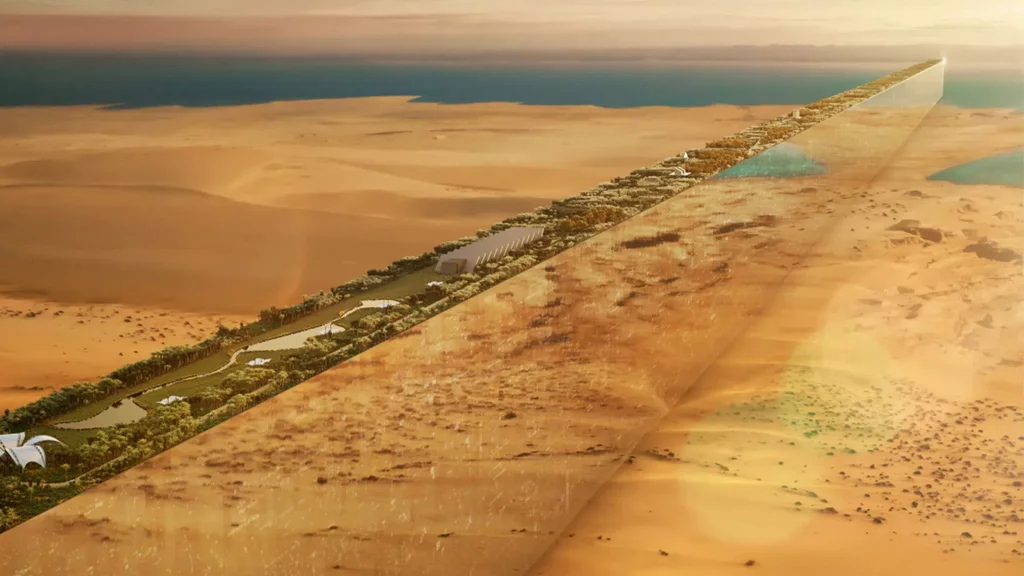
Saudi Arabia has halted construction on The Line, the over-hyped megacity that was supposed to slice through the sand like a mirrored sword, until 2030—LOL!—after multiple delays and downsizings. Anyone with two functioning eyes and three ounces of brain tissue could have predicted this spectacular crash. The concept blatantly defied basic physics and economics. It was a sci-fi fever dream doomed the second it left the rendering farm.
The Line began as a supernova of corporate promotion. In 2021, Crown Prince Mohammed bin Salman officially launched the enterprise as the utopian cornerstone of Vision 2030, a $500 billion national program meant to modernize the country and wean it off oil. He intended the project to be a car-free smart city capable of housing nine million residents within two parallel mirrored groundscrapers measuring 105 miles long, 1,640 feet high, and 656 feet wide. The Line, like the rest of the architectural and engineering development projects in the Tabuk Province, in Saudi Arabia, is managed by Neom, a state-owned company that claims it “is building the foundations for a new future.”
Urban planning skeptics immediately pointed out that building a massive linear city was a patently absurd proposition, citing historical precedent, the laws of physics, and economics that simply do not support a massive, sideways skyscraper — much less one stretching across a barren desert. Yet, the kingdom pushed forward, digging giant holes in the middle of nowhere until the sheer magnitude of the idiocy became impossible to ignore.
The pivot to practicality
The utopian glass house finally shattered under the weight of financial reality. Saudi spending, which grew astronomically under MBS, is actively being redirected toward immediate, practical infrastructure to weather a growing national deficit exacerbated by a weaker economy and the economic fallout of the Iran war.
Vanity projects aren’t making the cut. According to a strategic review led by Neom’s chief executive, Aiman al-Mudaifer, the linear city was previously expected to cost more than $1 trillion. The Saudi public investment fund has mandated that the newly scaled-down enterprise must generate actual financial returns rather than just consume capital.
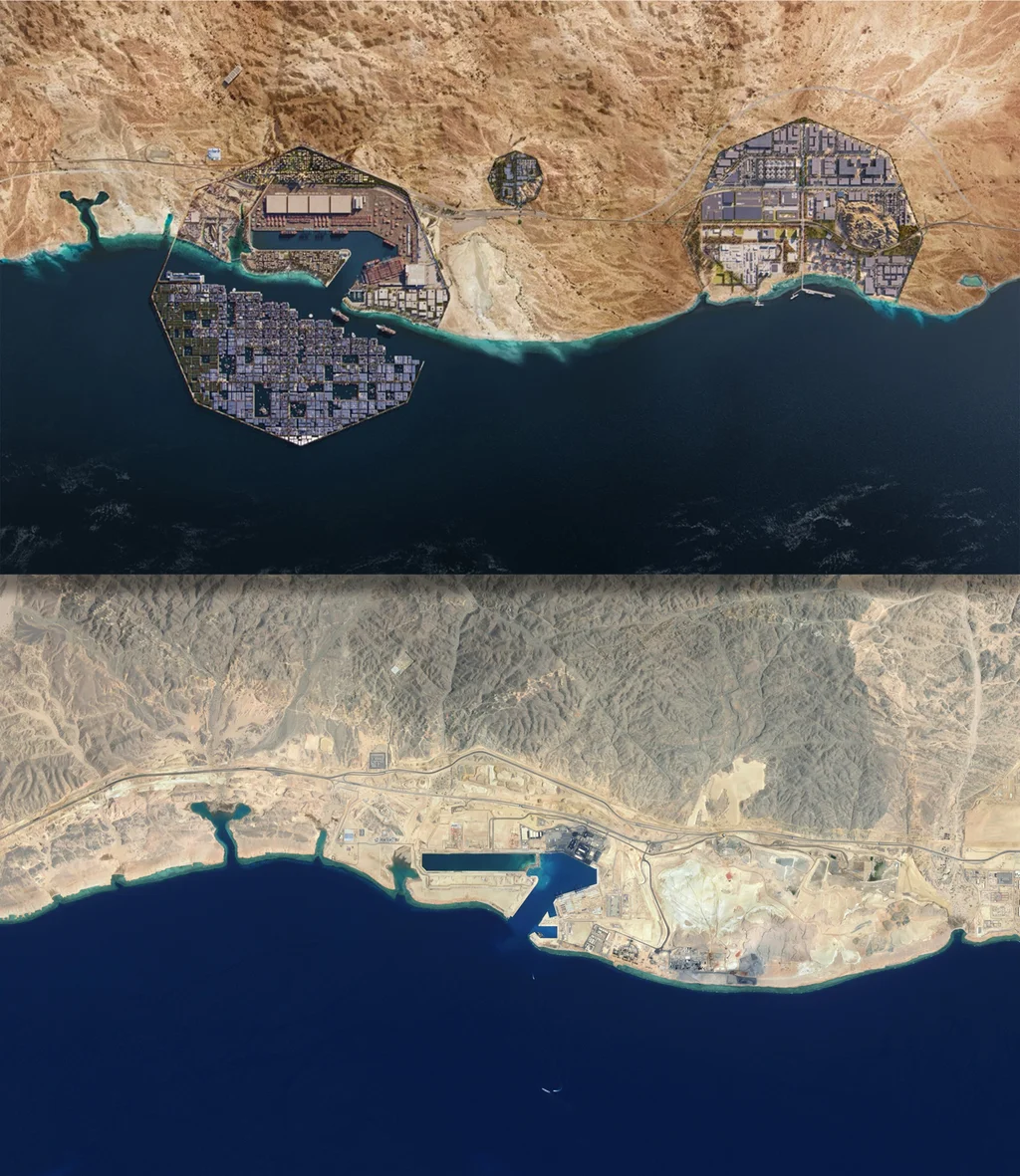
Instead of focusing on an inland desert city, the kingdom’s priorities have shifted to the coast. There, Saudi Arabia still intends to invest about $3 billion in Oxagon, an industrial zone with a port on the Red Sea that has gained strategic importance for trade planning following the closure of the Strait of Hormuz. This is where the government is expanding its capacity to deliver water, electricity, and digital connectivity.
It’s a practical move. The Oxagon upgrades are meant to attract artificial intelligence companies to build data centers. The utilitarian rationale for this coastal shift is pretty simple, okay? Data centers need water for cooling and Oxagon is on the coast.
At the same time, plans for other Neom projects are crumbling. Red Sea tourism sites have been deferred until after 2030, and the Trojena mountain resort—once expected to host the 2029 Asian Winter Games—will not receive fresh investment before 2031.
“If we announce something and we need to adjust it, accelerate it and make it a priority more than others, or defer or cancel it, we will without blinking,” Saudi Finance Minister Mohammed al-Jadaan says. The Crown Prince also echoed this, claiming that they “will not hesitate to cancel or make any radical amendment to any programs or targets if we find that the public interest so requires.”
Timeline of a failure
The unraveling of this architectural hallucination happened in slow motion over several years.
OCTOBER 2017: The Vaporware Genesis
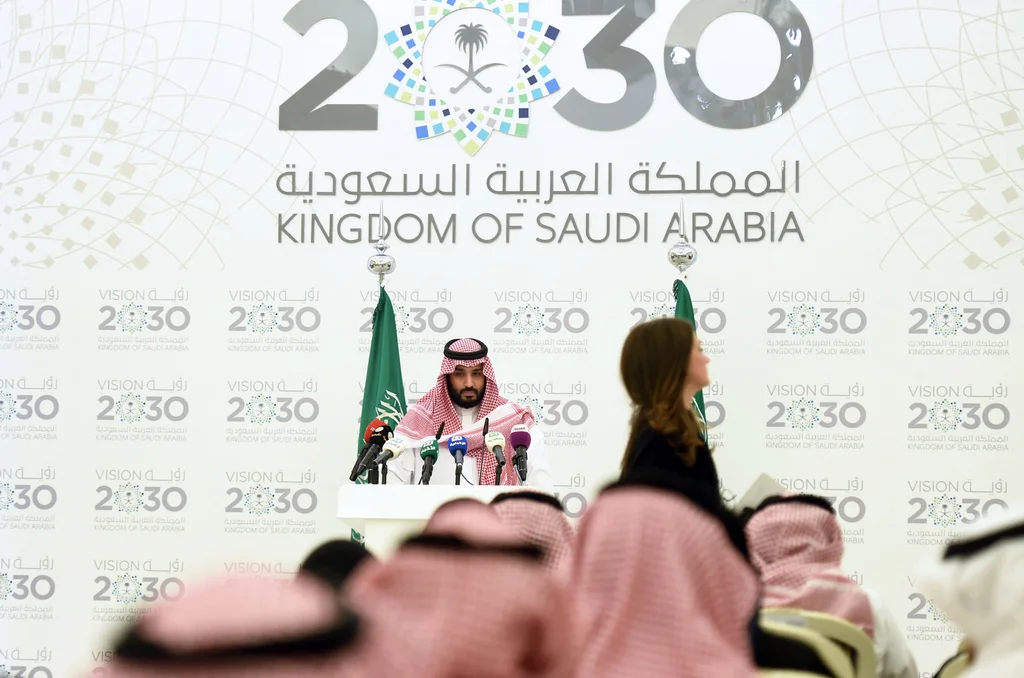
The saga began when the Crown Prince officially launched Neom as the cornerstone of “Saudi Vision 2030,” a massive national reconversion program designed to transform the kingdom into a modern society and reduce its economic reliance on petroleum. The promise was a sprawling 105-mile strip of high-density living in the desert.
JANUARY 2021–AUGUST 2022: The Sci-Fi Fever Dream
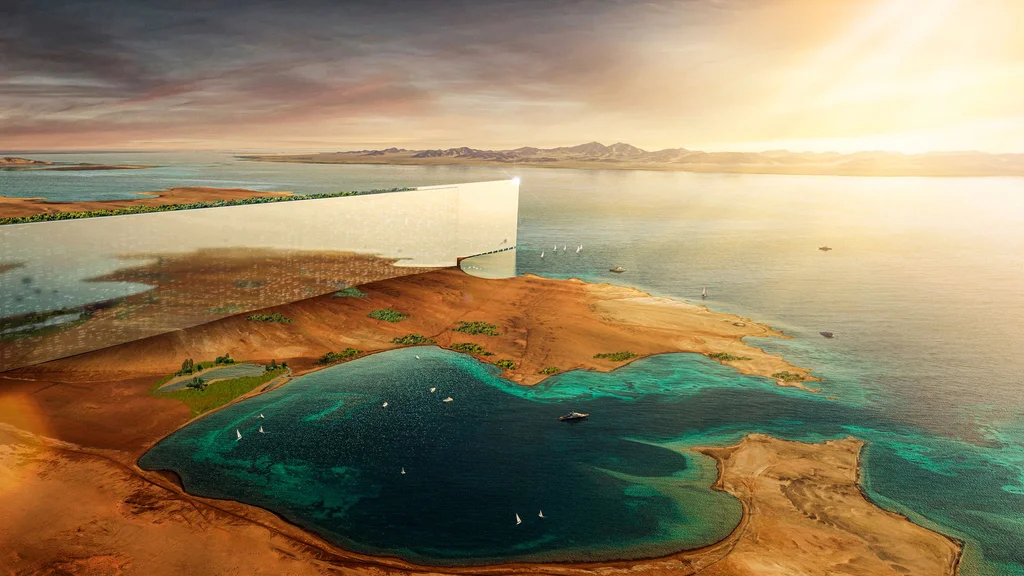
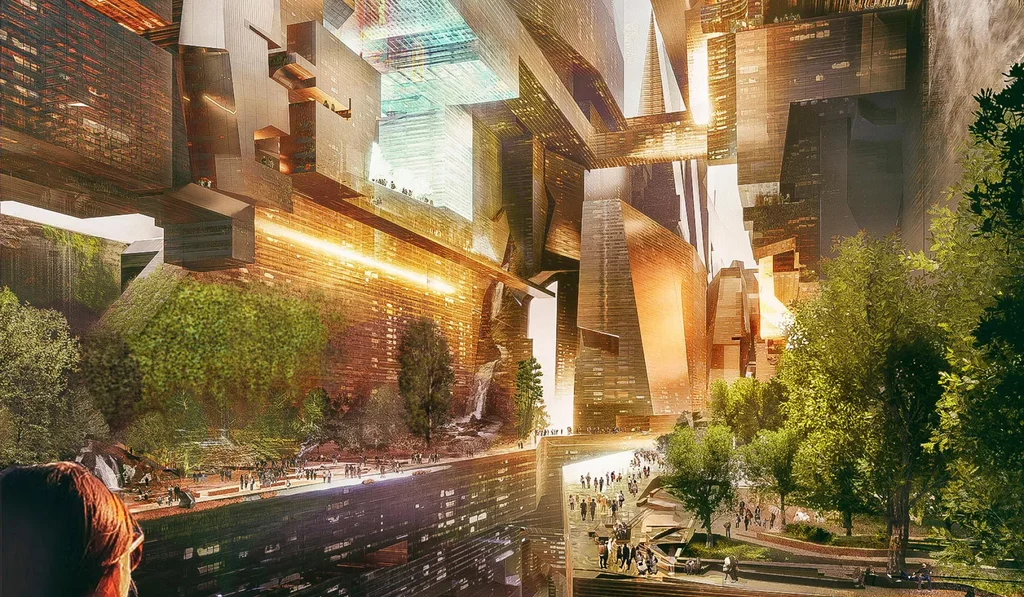
Saudi Arabia proposed “The Line,” presenting glossy renderings of a mirrored dual-skyscraper cutting straight through the desert. Pitched as a “civilization revolution,” it was designed as a car-free smart city capable of housing 9 million residents.
APRIL 2024: Physics and Economics Breach the Walls
The utopian timeline quietly started to implode. Planners were forced to significantly slash the initial phase of The Line down to a laughable 1.5 miles by 2030. Consequently, the projected population for the end of the decade plummeted from earlier internal expectations of 1.5 million down to 300,000. Saudi officials initially dismissed the rumors, but the structural scaling back had already begun.
LATE 2024: Palaces, Audits, and Executive Chaos
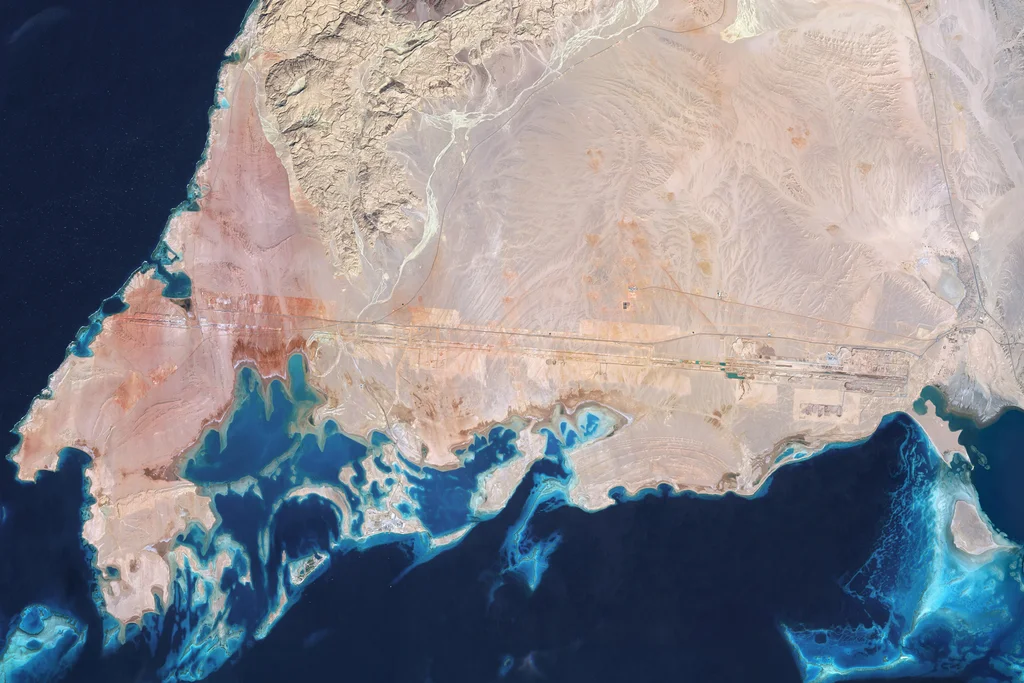
While public infrastructure stalled, satellite imagery revealed that construction resources were diverted to build a massive royal palace complete with 16 buildings and a golf course. Internally, an audit discovered that project leaders intentionally manipulated accounting numbers to hide escalating expenses. The estimated total cost to complete the full project eventually reached $8.8 trillion—more than 25 times the annual national budget of Saudi Arabia.
This chaos culminated in the abrupt departure of former chief executive Nadhmi al-Nasr amid allegations of workplace mistreatment. Furthermore, a television documentary reported that tens of thousands of workers died during the construction of Vision 2030 projects, with laborers forced to work 16-hour shifts for consecutive weeks.
JULY 2025: Hitting the Brakes on the Hype Train
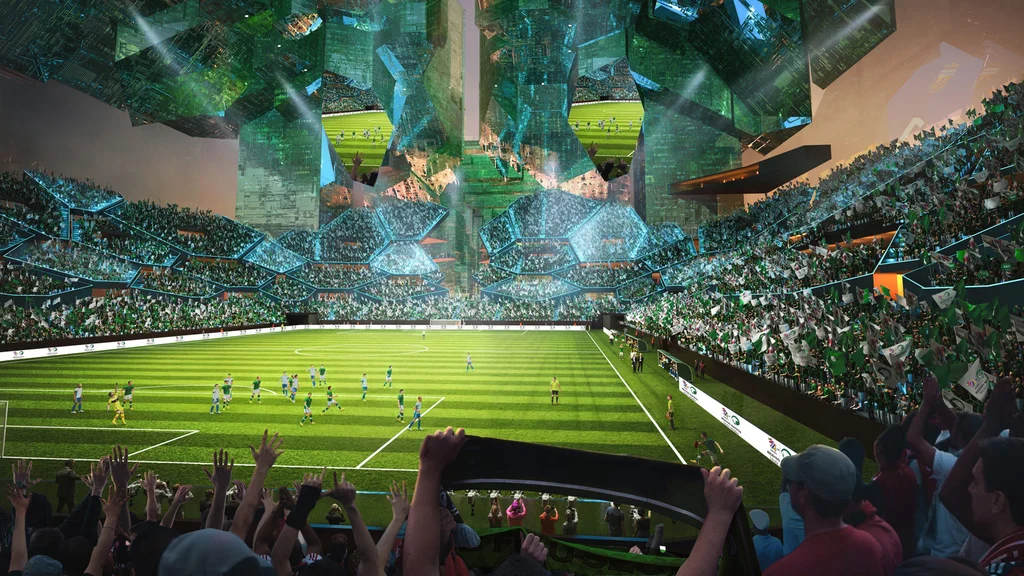
Facing tightening liquidity and oil prices plummeting to roughly $71 a barrel, the national sovereign wealth fund paused operations. Saudi Arabia hired external consultants to evaluate whether the linear city concept was actually feasible, a necessary recalibration as the kingdom faced strict financial deadlines to prepare for hosting both the 2030 Expo and the 2034 World Cup (there’s one stadium that was supposed to be built on top of The Line).
EARLY 2026: The AI Pivot
The glossy vertical forests dissolved into a pragmatic attempt to salvage sunk costs. Under new CEO Aiman al-Mudaifer, the Neom enterprise was officially gutted. As the reality of the failure set in, early reports indicated the remaining physical infrastructure of the project itself was being repurposed into data centers, a purely utilitarian move to bolster the national government’s expansion into artificial intelligence.
MAY 2026: The Final Halt
The definitive death knell arrived. Following Al-Mudaifer’s strategic review, Saudi Arabia officially halted work on The Line until after 2030, capping its target population at a maximum of 100,000 residents. The broader shift toward practical planning saw the kingdom maintain its intention to keep investing in the Oxagon port to build out AI server farms.
The “civilization revolution” that they tried to sell us, however, has crashed leaving behind a massive trench in the sand and a financial crater to match.