
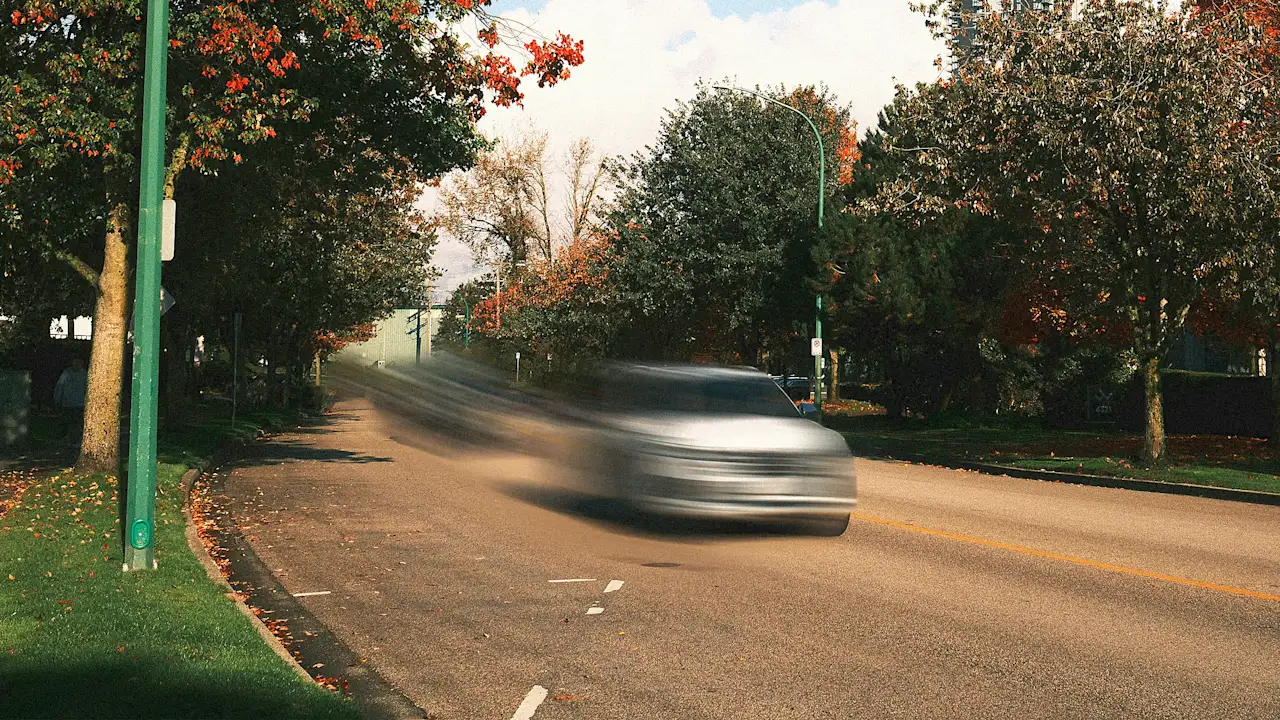
Most American cities have street networks that are engineered for us to comfortably drive much too fast for our surroundings. Even our old, pre-automobile cities have been “upgraded” to make dangerous driving habits easy.
Transportation professionals are allowed to use good judgment when deciding how to design city streets, but they often need to be reminded, especially in cities where the state department of transportation has authority. It’s not enough for you as a good urbanist to tell an engineer to make better choices. After all, they’re not a malicious bunch trying to wreck society. They’re conforming to the long-established rules of the industry.
{“blockType”:”creator-network-promo”,”data”:{“mediaUrl”:””,”headline”:”Urbanism Speakeasy”,”description”:”Join Andy Boenau as he explores ideas that the infrastructure status quo would rather keep quiet. To learn more, visit urbanismspeakeasy.com.”,”substackDomain”:”https://www.urbanismspeakeasy.com/”,”colorTheme”:”green”,”redirectUrl”:””}}
The AASHTO Green Book is the go-to excuse that professionals use for street design that prioritizes vehicle speed and throughput at the expense of safety. (It costs a fortune, so find a library copy.)
The costs of speed
AASHTO says what many experts avoid admitting:
Speed reduces the visual field, restricts peripheral vision, and limits the time available for drivers to receive and process information.
The faster you drive, the less you see. And when you finally do see someone headed into your path, it’s too late to stop in time. The “go with the flow” justification for driving 40 MPH around schools, homes, and storefronts causes preventable crashes, injuries, and fatalities.
Engineers who read the Green Book will find this reminder about using judgment that goes beyond tables or graphs (emphasis mine):
Design speed is a selected speed used to determine the various geometric design features of the roadway. The selected design speed should be a logical one with respect to the anticipated operating speed, topography, the adjacent land use, and the functional classification of the highway. In selection of design speed, every effort should be made to attain a desired combination of safety, mobility, and efficiency within the constraints of environmental quality, economics, aesthetics, and social or political impacts.
It’s still a highway-minded narrative, but there’s flexibility in the language. So when professional engineers blame AASHTO for not implementing traffic calming measures, you know better. AASHTO expects licensed professionals to be conscientious problem solvers, not automated copy/pasters.
A smarter approach
Here’s a two-step suggestion for having more productive conversations with the planners and engineers responsible for your area’s street design: (1) Use plain language to talk about context, and (2) Share specific engineering methods that are approved by the status quo.
Talking about context
A house limits your ability to run. You walk from the bedroom to the kitchen. Guests visit, and they walk around and sit down.
An open field gives you space to go as fast as your body motor allows. Friends and strangers can run with you, or in different directions.
Some streets need to be engineered for slow driving. Some parts of the neighborhood are intended to be a living room, not an open field.
Offering industry-approved options
It’s worth having some basic understanding of traffic calming techniques that are considered acceptable by status quo design guides, such as the AASHTO Green Book. Here are some notes to help get you started.
- Narrow lanes. 10-ft instead of 12-ft, even on the busy streets. Restriping is cheap and effective.
- Fewer lanes (road diet). Safer for people behind the wheel and people walking.
- Wide sidewalks. Most standard sidewalks aren’t even wide enough for two people to comfortably pass each other.
- Textured stripes / rumble strips. Used to transition from high-speed to low-speed areas.
- Textured pavement. Cobblestones aren’t your only option in the 21st century.
- Diverters. Popular on bike boulevards to prevent drivers from going straight across an intersection.
- Midblock crossings. Break up “super blocks” with flashing beacons for pedestrians.
- On-street parking. But it better be replacing car storage, not adding more!
- Chicanes. The s-curve feel that makes driving slightly uncomfortable.
- Trees. Along the sides and in the center of traffic circles and roundabouts.
- Roundabouts. Or traffic circles, depending on the type of intersection.
- Bumpouts / chokers. They’ll show tire marks from all the rubs, but that’s progress. Use at intersections or midblock.
- Tight corners. 90 degrees if you please. No swooping curves.
- Street furniture. Benches, lights, trash cans, restaurant signs, bike racks, etc.
- Raised intersection. Pricey but effective way to put pedestrians on a pedestal.
- Raised crosswalk. Like a speed hump wide enough for people to walk across.
If you’re interested in going deeper, here are a few transportation resources to get you familiar with traffic calming.
The bottom line: slower is safer.
{“blockType”:”creator-network-promo”,”data”:{“mediaUrl”:””,”headline”:”Urbanism Speakeasy”,”description”:”Join Andy Boenau as he explores ideas that the infrastructure status quo would rather keep quiet. To learn more, visit urbanismspeakeasy.com.”,”substackDomain”:”https://www.urbanismspeakeasy.com/”,”colorTheme”:”green”,”redirectUrl”:””}}
Source link