
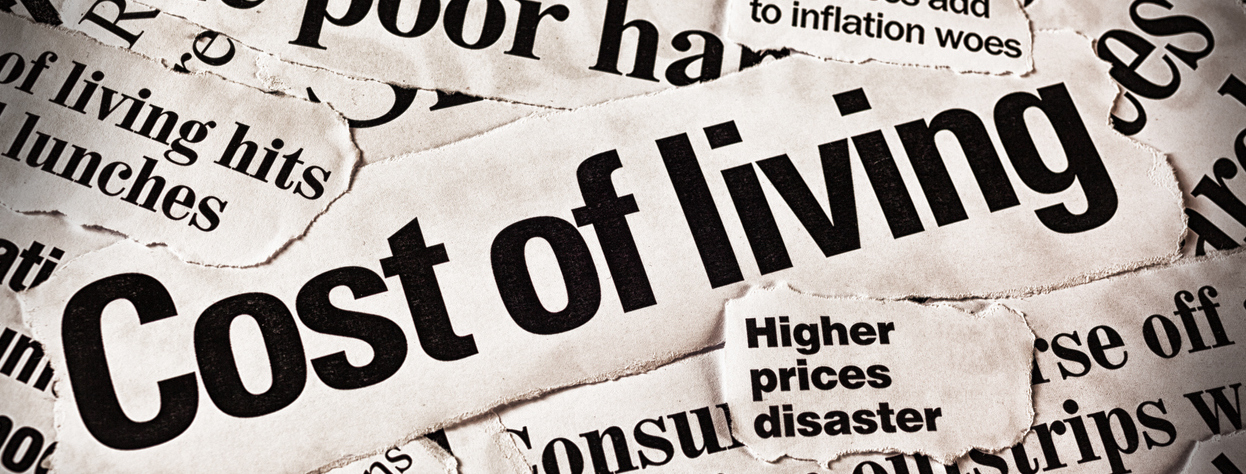
For years, Canadians were told their economy was “strong,” their banking system was “safe,” and their housing market was “resilient.” Now reality is finally colliding with the propaganda as ordinary Canadians increasingly admit they feel trapped financially despite endless government claims that conditions are improving.
The numbers are becoming impossible to ignore. Recent polling shows that 71% of Canadians expect the cost of living to worsen in 2026, while 59% believe the broader economy itself will deteriorate further over the next year. Even more alarming, nearly 87% say they now feel financially trapped because wages are no longer keeping pace with housing costs, taxes, debt burdens, and everyday expenses.
Canada built one of the largest housing bubbles in the developed world during the era of artificially suppressed interest rates. Cheap money flooded into real estate for years while politicians treated rising home prices as proof of prosperity. In reality, housing inflation became a substitute for genuine economic growth. Families increasingly relied on debt and rising property values rather than productivity growth or expanding real wages.
Now the entire structure is under pressure. Mortgage renewals are becoming a major problem because many Canadians who were locked into low-rate loans during the easy-money years now face dramatically higher payments upon renewal. Household debt levels in Canada remain among the highest in the G7 relative to disposable income. At the same time, food costs, insurance premiums, utility bills, fuel expenses, and property taxes continue rising aggressively.
The middle class is being squeezed from every direction simultaneously.
Reuters recently reported that Canada’s weakening housing market is now damaging consumer psychology directly because the so-called “wealth effect” from rising home prices has begun reversing. Canadians who once believed housing appreciation would permanently carry the economy higher are now confronting stagnant property values alongside rising debt costs and deteriorating affordability.
The younger generation faces an even worse situation. Homeownership has become increasingly unattainable across large portions of the country, particularly in Toronto and Vancouver where housing costs detached completely from local incomes years ago. Many younger Canadians now spend extraordinary percentages of their earnings simply on rent while watching taxes and living expenses consume what little disposable income remains.
The political establishment continues insisting immigration-driven population growth will somehow solve Canada’s structural weaknesses, but adding millions of people into an economy already struggling with housing shortages, strained healthcare systems, stagnant productivity growth, and declining affordability only intensifies pressure on infrastructure and living costs further.
Meanwhile, Mark Carney and the Canadian political class are now trying to align Canada more closely with Europe economically and politically just as Europe itself enters a depressionary phase into 2028 according to our ECM models. Europe is drowning in sovereign debt, industrial decline, energy instability, and collapsing middle-class purchasing power. Canada appears determined to follow many of the same policies involving climate regulation, centralized governance, expanding bureaucracy, and rising financial control mechanisms.
The Bank of Canada now faces the same trap confronting central banks globally. If rates remain elevated, households continue cracking under debt burdens and mortgage renewals. If rates fall aggressively, inflation risks accelerating again while the currency weakens further. Years of artificial monetary policy distorted housing values, encouraged leverage, and created an economy overly dependent on debt-fueled consumption.
The result is what Canadians are experiencing now in real-time, declining purchasing power disguised beneath official economic statistics.
The ECM has warned for years that sovereign debt crises eventually migrate down into household psychology. Governments can manipulate numbers temporarily, but they cannot force populations to feel financially secure when living standards continue to deteriorate.