
COMMENT: Marty, I hear you cook for your dogs, and you have said they are your greatest companions. My dog detected cancer in me before any doctor. She saved my life. They say they have always been our spirit guides, like a guardian angel in the physical world. Keep them close. They will love you more than any human can possibly fathom.
Jake
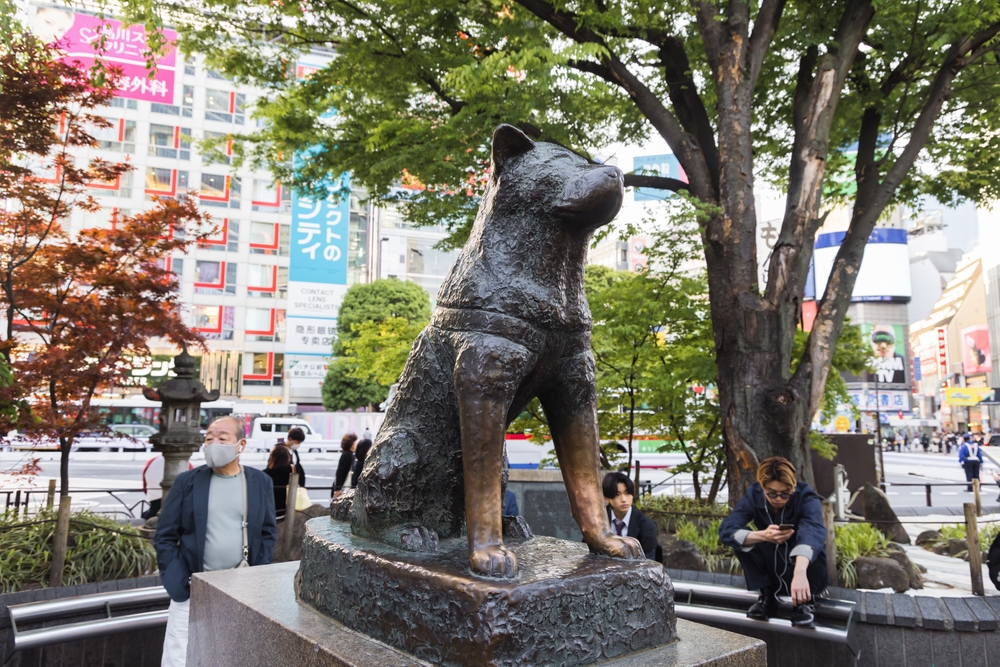
REPLY: There is perhaps no greater story of loyalty and devotion than that of Hachikō, the Akita who waited for his owner, Professor Hidesaburō Ueno, for over nine years following the professor’s sudden death in 1925. Each day, Hachikō returned to the train station where he had once greeted his master returning from work. His vigil lasted from May 1925 until his own death on March 8, 1935—a period often recorded with remarkable precision as 9 years, 9 months, and 15 days. So profound was this devotion that a bronze statue was erected in his honor, marking the very spot where he died waiting for his beloved companion.
Yet Hachikō is but one chapter in a far longer story. Ancient writers frequently wrote about dogs, with accounts ranging from detailed manuals on hunting to tender epitaphs for cherished pets. Beyond their practical roles as hunters and guardians, dogs were clearly valued as companions from the earliest times. Some of the most moving evidence comes from funerary inscriptions. Consider the 3rd-century AD epitaph for a dog named Stephanos, whose owner, Rhodope, wrote that she “shed tears for and buried like a human.” Another inscription speaks of a dog named Parthenope, whose owner buried her “giving this favor in return for that pleasure.” These are not the words of mere pet owners; they are expressions of genuine grief and love.
If you have seen the latest film adaptation of The Odyssey, you may recall Homer’s inclusion of Argus, the loyal dog who serves as a powerful symbol of fidelity and loss. After waiting twenty years for his master Odysseus’s return, Argus is the only one to recognize him—and he dies shortly after. It remains one of the most famous and poignant stories of a dog in all of classical literature.
You may have heard the saying that all dogs go to heaven. I believe that sentiment may trace its origins to ancient Egypt. There, dogs were believed to be spirit guides and companions for the deceased in the afterlife. This belief was rooted in both religious mythology and the deep personal affection Egyptians held for their canine companions. It was thought that a beloved dog who guided and comforted its master in life would do the same in death. Dogs were often buried with their owners—sometimes sacrificed after the master’s death and mummified—to ensure they would remain together forever. This theme appears in tomb paintings of pharaohs like Tutankhamun and Rameses the Great, who are depicted hunting with their dogs.
The Egyptians envisioned the afterlife, the “Field of Reeds,” as a perfect version of earthly life. There, the soul would be reunited with loved ones—including, surely, their faithful dog, waiting at home.
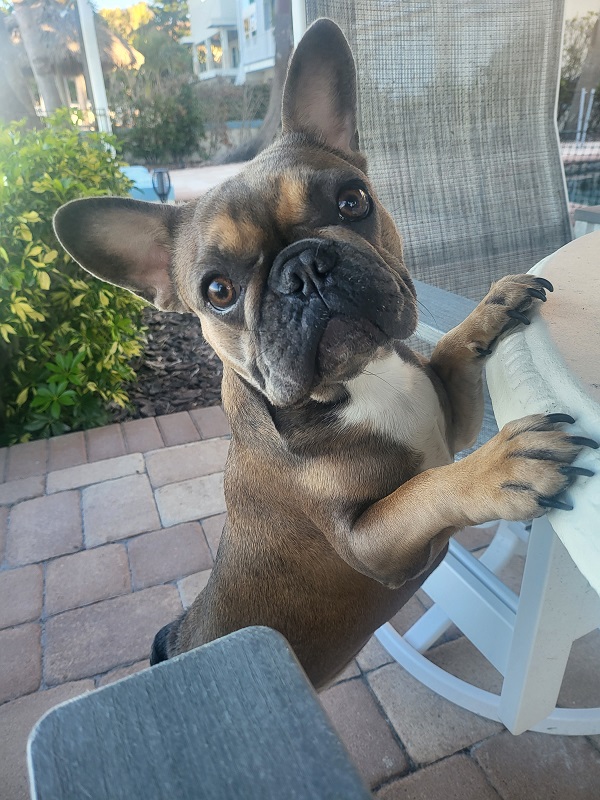
The bond formed when you sleep with your dog is directly linked to the release of oxytocin, often called the “love hormone,” which is known to reduce stress and promote feelings of well-being. The science behind this bond is truly fascinating.
The positive feelings are part of a feedback loop, well supported by research. Studies show that when you and your dog share loving interactions—such as gazing into each other’s eyes or cuddling—it triggers a surge of oxytocin in both of you. This is the same hormone that bonds a mother to her baby. The release of oxytocin is particularly powerful because it directly counters the stress hormone cortisol. The relaxation and calm you feel from snuggling with your dog at night are a direct result of this hormonal shift. I can personally attest to this effect, for my own dogs have often reduced my stress when human interactions have sent it soaring.
This urge to sleep together is deeply rooted in our shared history. For centuries, dogs and humans have co-slept for warmth and protection, and some experts suggest this instinct may even be genetic. Your dog likely sees you as part of its “pack” and feels safest and most comfortable when you are close. When I first brought Napoleon home, I placed her in a small cage beside my bed, and she cried. I thought perhaps she missed her mother, so I brought her into my bed. That was the end of the cage—and the beginning of a nightly ritual we have never abandoned.
The health benefits extend beyond mere comfort. Sleeping with your dog is associated with stronger feelings of security and comfort. One study found that people who slept with their dogs felt more secure and comfortable than those who slept with a human partner. I can certainly attest to the stress-reducing effect of oxytocin; I have no heart issues or blood pressure problems, and I have been told this is one of the benefits derived from the bond with a dog. Whether or not that is scientifically proven in my particular case, I am inclined to believe it.
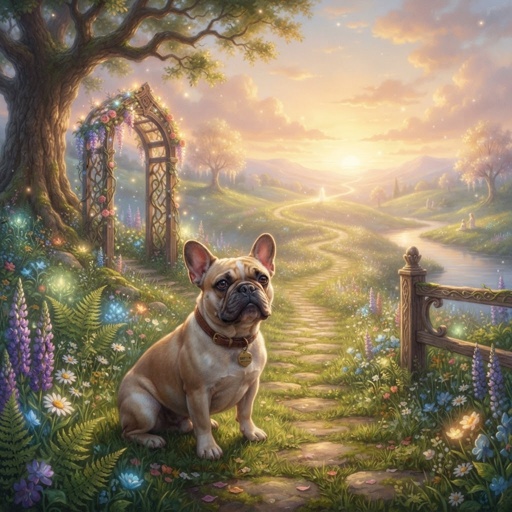
Even throughout Asian culture, the core idea was that dogs served as protectors, companions, and even guides for their owners in the afterlife. It was a widespread and deeply rooted belief across many traditional Asian cultures. The tomb guardians and psychopomps was a key concept. In ancient China, the belief in dogs as afterlife companions was incredibly strong, dating back thousands of years.
From as early as the Shang dynasty (c. 1600–1046BC), dogs were found buried in human tombs. By the Han dynasty (206BC – 220AD), this practice evolved into placing ceramic dog sculptures (known as mingqi) in tombs. These were not just decorations; they were meant to serve and protect the deceased in the netherworld.
Some ancient texts describe dogs in the role of a psychopomp, a spiritual guide that leads souls to the afterlife. One famous text even tells a story of a white dog being sent by underworld authorities to dig a man out of his tomb, allowing him to return to life to teach the living about proper burial rites for the afterlife.
The fierce, bared-tooth poses of many ceramic tomb dogs suggest their primary role was to be guardians, warding off evil spirits and protecting the tomb from disturbance. This protective role was also seen as a form of companionship for the soul’s journey. It is a fascinating long history of dogs and why they call them man’s best friends.
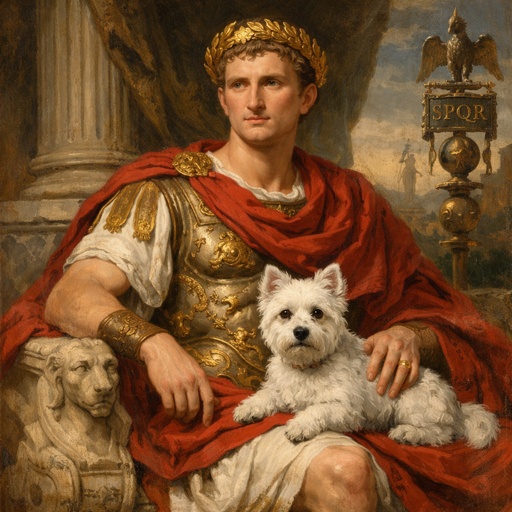
Augustus, the first Roman emperor, had a small, white dog named Rufus, who was such a constant companion that Augustus would bring him to meetings and public events. When Rufus died, the emperor was reportedly so heartbroken that he ordered a statue of his dog to be erected in his honor.
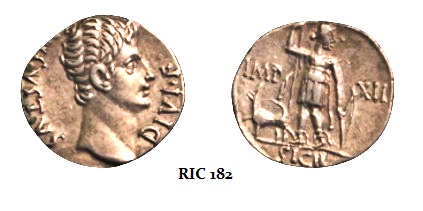
Here is a Roman silver denarius of Augustus picturing a dog on the reverse. They have been part of our culture for thousands of year. Yes, I cook for my dogs. No kibble and no MNRA vaccines. Test that first by sticking that in Bill Gates’ ass. They often attribute “never trust anyone who does not like dogs” to Bill Murray.