
Universities, scientists, law firms, and many other powerful institutions are about to start pretending they never rolled over for the president. But we know better.
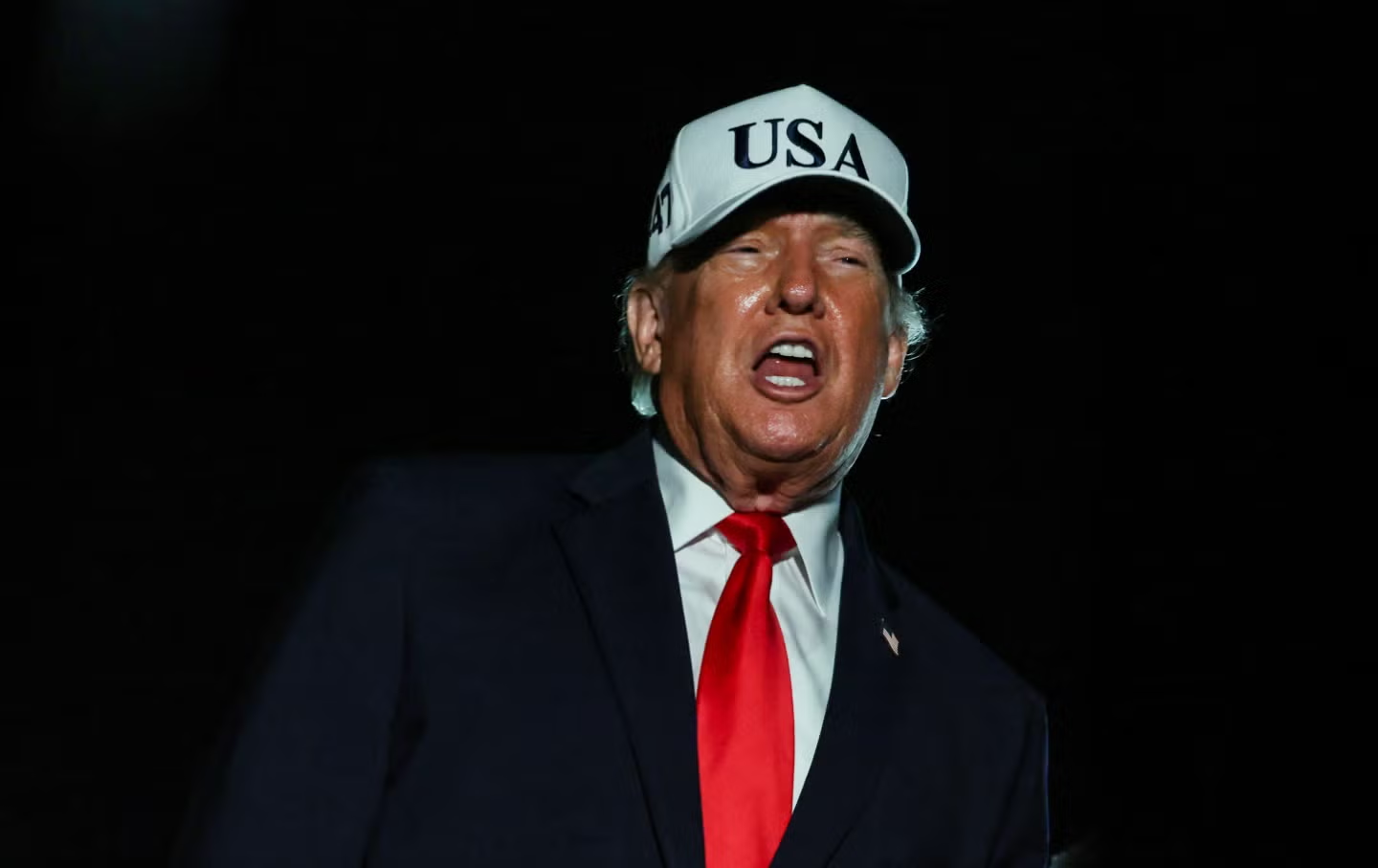
Donald Trump speaks to reporters after arriving on Air Force One at President Donald J. Trump International Airport on November 6, 2026, in West Palm Beach, Florida.
(Samuel Corum / Getty Images)
Just before sunrise on the day after the midterm elections last week, progressive journalist Walker Bragman posted this: “Many people, institutions, and companies sacrificed their integrity because they thought Trump’s power grab was inevitably going to succeed and he’d be the American Orban. Don’t forget their names.”
Bragman is right. One of the most remarkable, and despicable, things about the last two years is how many so institutions—the law firms, the tech companies, the universities, the august scientific and professional societies—swiftly, completely, and indeed eagerly “obeyed in advance.” Meanwhile, ordinary Americans with much less money and power were left to both shoulder the burden of the attacks from the Trump administration and lead the resistance to those attacks.
If the midterms showed us the resolve and determination of the American people, the preceding two years demonstrated the fecklessness, cowardice, and selfishness of American elites—many of whom would frankly do anything to remain “on top,” even if it meant bowing down to fascists. These folks are a portrait of “upper-middle‐class decadence” straight out of Bertolucci’s The Conformist. They are a type that always rises up under authoritarianism— not so much true believers as true opportunists—and they always survive, no matter whom they step on in their rush for the exits when things go badly.
I’ve written many times about these acts of collaboration, large and small, over the past two years. But in the wake of the drubbing that the Republicans took last week, it’s worth reviving the greatest hits of appeasement, now that these truly bad choices made by so many are running up against the sunshine of a new day.
As a university scientist, watching the decay of American science, public health, and higher education up close has been painful. The entire infrastructure of these sectors is so damaged and compromised that, even with a new Congress and potentially a Democrat in the White House in 2028, we will be digging out of this mess for decades to come.
But the collaborators who helped create this crisis engender a whole set of other feelings: scorn, disgust, anger. Now that Trump is headed toward political oblivion, get ready for them to tell us how they were always against this, trying to do their part, to ingratiate and rehabilitate themselves with the rest of us—and don’t believe a word of it.
Current Issue
When I think back to November 2024, I still remember my shock when two political scientists at Princeton with no expertise or experience in biomedical research, Frances Lee and Stephen Macedo, penned an over-the-top encomium pushing for Jay Bhattacharya to run the National Institutes of Health, claiming he would bring: “a strong dose of fresh thinking and institutional reform from experts prepared to challenge the reigning consensus and renew our commitment to the basic values of science and liberalism.” Ahem. No. Now, as the NIH sits as a smoking husk of its former self, I wonder if they have even an ounce of buyer’s remorse. Not likely. And even within public health, we had people making craven pronouncements to keep themselves in the story. “I think @MartyMakary at FDA, @DrOz at CMS and @DrJBhattacharya at NIH are all pretty reasonable,” tweeted former dean of the Brown University School of Public Health Ashish Jha weeks after Trump’s reelection. Ahem. No. Again.
Then, I think of people who cozied up to MAHA influencers as if they were tribunes of the people. Some were just making a buck with their Substacks and podcasts by blaming public health. Outlets like Why Should I Trust You propped up purveyors of vaccine misinformation like RFK Jr.’s bestie Del Bigtree and gave a platform to people like Bret Weinstein who have fantasized about hanging public health officials. As writer and podcaster Michael Hobbes snarkily said:
The argument is always the same: rather than judge MAHA supporters on what they do, we should judge them on what they say. This is dangerously uninformed about how conspiracy movements work…. the second MAHA took power it started gutting basic science, promoting quack treatments and loosening health regulations. *This* is what the movement is. Yet it’s up to critics not to conclude or predict anything from these actions and bend over backward to find common cause.… It’s not the anti-science movement’s fault that public opinion has shifted against public health, it’s the public health authorities they’re constantly lying about!
Others took bad-faith MAHA arguments at their word, and became credulous to a fault, which sent them into the embrace of the indefensible. Despite wanting to maintain that MAHA wasn’t all bad, they elided the fact that the single most reliable indicator of supporting the MAHA movement is political affiliation, and identification with the MAGA movement most of all.
Then, think about the champions of free speech and expression on university campuses—as long as that speech doesn’t involve discussions of race, gender, or sexuality, and anything they might consider “woke.” These are the denizens of the heterodox academy, the good ol’ boys touting viewpoint diversity for me, not for thee. I remember one academic at Harvard writing to me after the abrupt removal of Mary Bassett, the university’s director of the FXB Center for Human Rights. He wondered where economist Larry Summers, psychologist Steven Pinker, and law professor Alan Dershowitz and the Harvard Council on Academic Freedom had disappeared to during this show trial for a physician who had devoted her life to the improvement of health for the most vulnerable, run the health departments in New York City and New York State, and worked for the Rockefeller and Doris Duke Foundations over a long, distinguished career. Not a peep. Because, of course, under the guise of championing fundamental rights, they were simply protecting their own, not others they considered expendable. It made them little different from the Trump administration officials attacking universities around diversity, equity, and inclusion, yet no one called them out as they used their seniority in academia as a shield for their behavior.
Finally, here at Yale, where I teach, students, faculty, alumni, and staff are locked in a battle with an administration and set of trustees who have been absolutely unwilling to talk about the decay of the rights to free speech and assembly on campus, the erosion of academic freedom, and the long game of footsie they’ve been playing with the Trump Department of Justice over admissions policies.
Yale decided at the start of the Trump administration that appeasement was the play to make. The university clamped down on protests; issued a self-flagellating report on trust that mirrored conservative critiques of higher education, which was praised by none other than Secretary of Education Linda McMahon; took down resources on DEI and anti-racism from its website devoted to a five-year campaign on Belonging at Yale; and changed the names of DEI and disability offices to ones that were more palatable in the political climate of the day.
While the president of the university and the trustees stonewall their own community, they constantly maintain the need for open dialogue on difficult topics on campus. It is a doublespeak that is just shocking to watch and reflects an unvarnished disdain for everyone here. Like the good old boys at Harvard, Yale leaders see everyone but themselves and big-name donors as incidental to their mission and the success of the university. Students, faculty, alumni, and staff are treated as a set of irritants, as a recent hot-mic episode with the president and the dean of Yale College exposed.
So what are we supposed to do now? The first thing is: write it down. We’ll soon be awash in revisionist history, or rather, as the historian Henry Rousso calls it, “historical negationism,” where the past is deliberately distorted for contemporary ends. So again: Just keep the receipts. They are the primary sources for truth-telling. No detail is too small. And as Bragman says: Don’t forget.
Long after Trump is history, you’ll run into people who will be all too happy not to have tales of their capitulation restated, rehearsed again and again. It’s what they depend on, so they can slip into new roles, without any consequences or accountability. And yes, the country will move on; it’s a national pastime to sweep things under the rug.
Popular
“swipe left below to view more authors”Swipe →
But the election last week was about more than science, public health, and higher ed, the arenas in which I spend most of my time. While it may have been “the affordability election,” it also showed that the pillars on which Trump’s political empire rests—like democratic backsliding, white supremacy, and Christian nationalism—can be toppled. As conservative New York Times columnist David French, said, it was the Ozymandias election too, and for all his inflated aspirations, Trump’s legacy is dust.
Repairing science, public health, and higher education requires that we make this so, as so much of the motivation for what Trump has done to our fields is tied straight to these noxious underpinnings of his movement. It thus points us to a more fundamental mission tied to the future of a fair, multiracial democracy in America. It connects scientists, clinicians, and academics to those fighting for democracy in the US. It calls us towards the need for what my Yale colleague and fellow Nation correspondent the Rev. Dr. William J. Barber II has called a Third Reconstruction in America, and what he has called a moral policy agenda for this country.
As I watched election returns in my hotel room in San Antonio, Texas, last week, tears streamed down my face, from relief and from joy. I have no doubt that the fight has only begun and that difficult times are still ahead, but the size and scope of the rout shows that something else is possible. Even in places that seemed locked into the past, from Texas to Mississippi, from Kansas to Georgia, change is afoot. We have to do our part to keep it going, not simply for science, public health, and education’s sake but for our shared humanity and the future of this planet.
More from The Nation
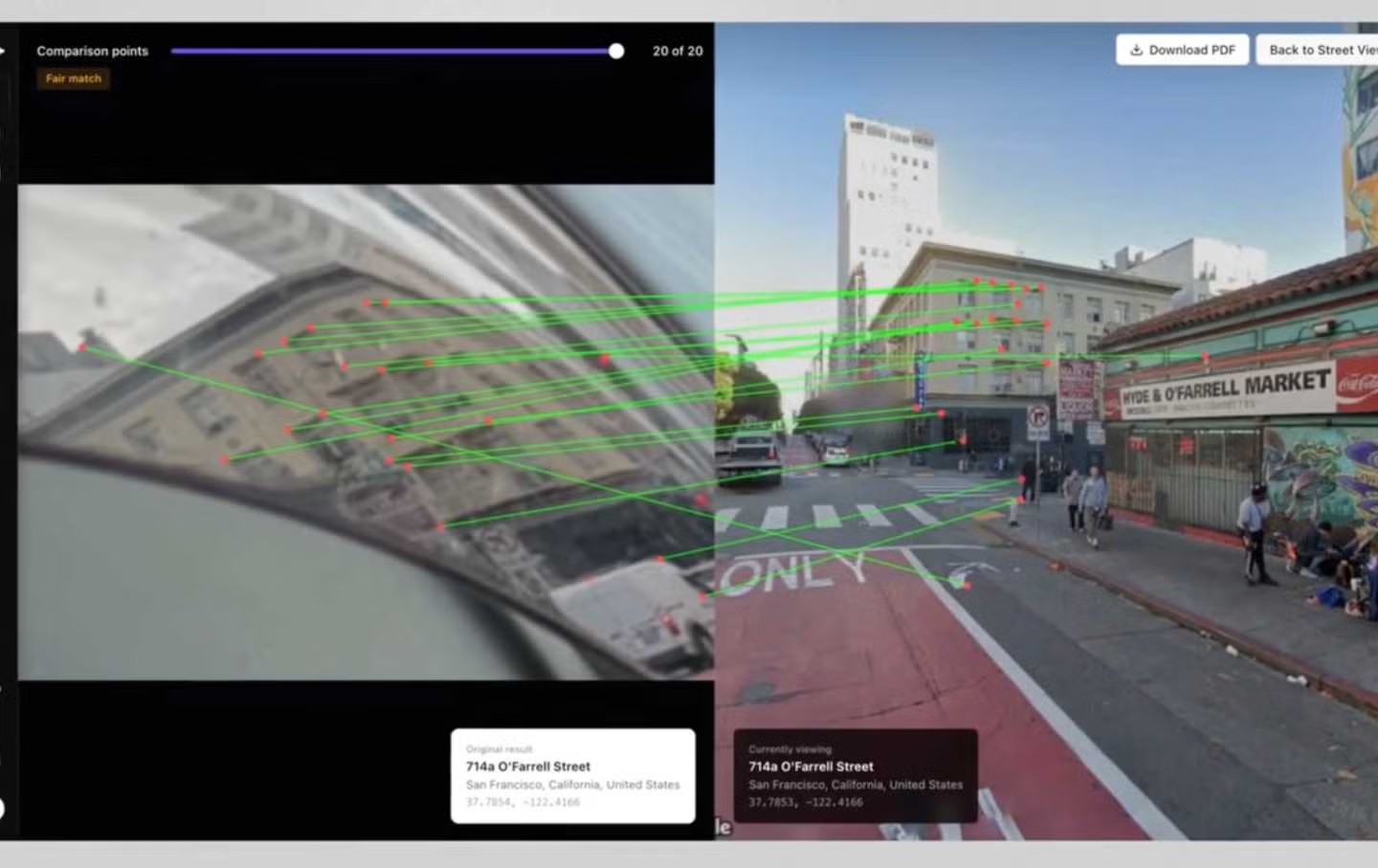
Aggregated property listings are being weaponized by insidious intelligence outfits. We have ourselves to blame.
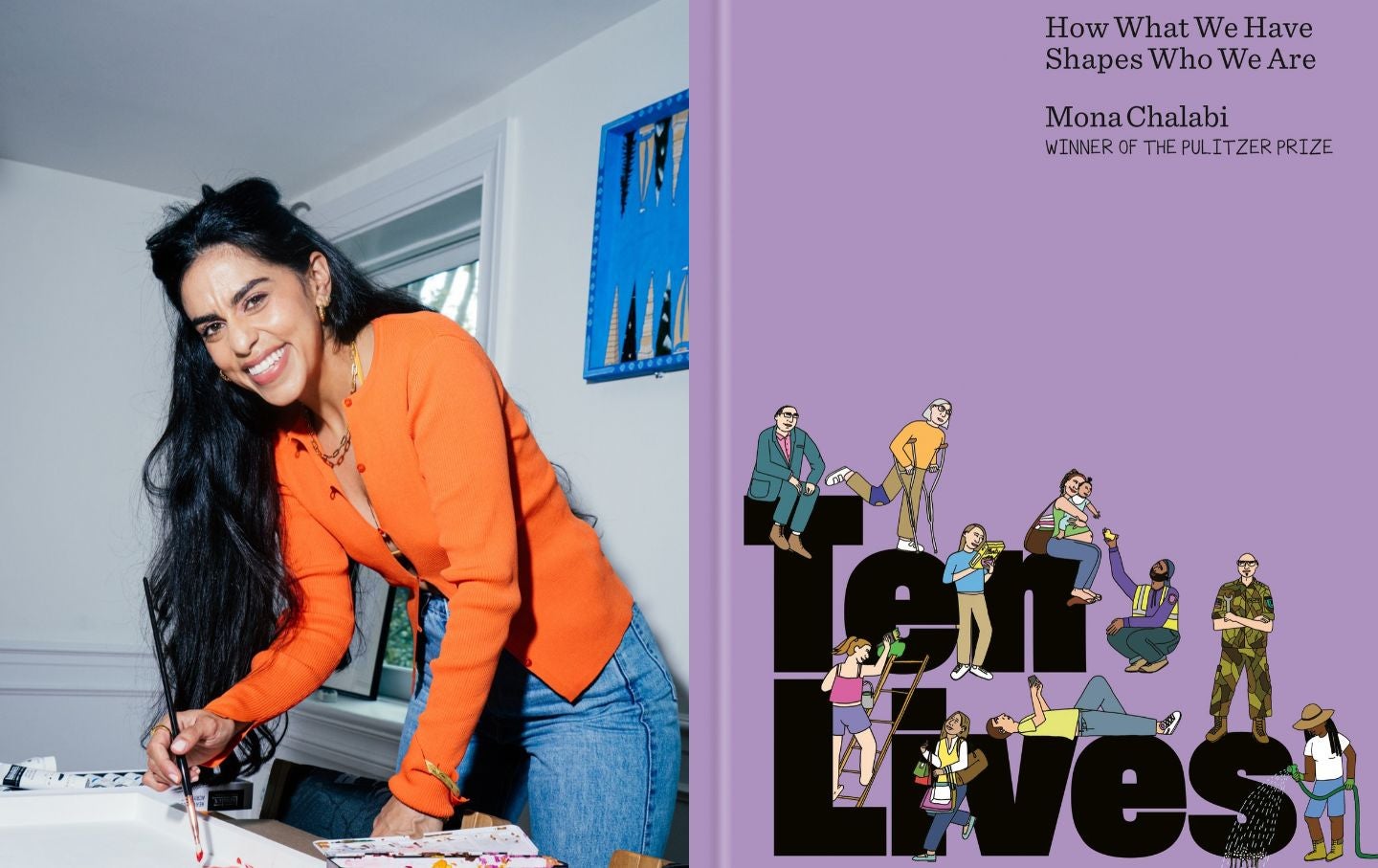
An interview with the data journalist about how she uses numbers and design to illustrate how class weighs on the lives of Americans.
If we follow the lead of billionaire team owners, toxic cable news channels, and misguided athletes, it’s a resounding no. That just means we need to forge our own path.
Peter Mancall’s new book reframes the history of the American continent as a zone of encounters between Native peoples, European empires, and African societies.
A strange case of prosecutorial misconduct during a murder investigation in the Oklahoma panhandle.