
Russia is beginning to show signs of financial strain from its prolonged war in Ukraine. St. Petersburg has slashed its military recruitment bonus from 3.5 million rubles ($43,000) to just 400,000 rubles ($4,900), a reduction of nearly 89%. The city had already lowered the payment to 1 million rubles in October before announcing another reduction in November. New recruits can still receive an additional 400,000 rubles from the federal government, bringing the combined guaranteed signing bonus to approximately $9,800.
The cuts are spreading beyond St. Petersburg. Mari El reduced its regional recruitment bonus from approximately $28,300 to $4,900, while Mordovia lowered payments from $36,900 to $9,800. Irkutsk and Novosibirsk have also reduced incentives. These bonuses became an important part of Russia’s recruitment strategy because Moscow has attempted to maintain its military manpower through paid contracts rather than another politically disruptive mass mobilization. The government offered enormous financial incentives, particularly in poorer regions where a military contract could provide several years of ordinary wages. Now some of those payments are disappearing, even as the war continues consuming manpower.
The Conflict Intelligence Team suggested that St. Petersburg may have already fulfilled its annual recruitment target, allowing authorities to reduce payments toward the end of the year. Regional governments have incentives to recruit soldiers at the lowest possible cost, and bonuses could increase again when new recruitment targets are established in 2027. A government reducing payments because it has sufficient recruits faces a very different situation from one reducing payments because it can no longer afford them.
Nevertheless, the financial pressure on Russia’s regional governments is becoming increasingly apparent. St. Petersburg is attempting to contain a budget deficit estimated at approximately $1.34 billion. Officials have reportedly cut planned spending on social programs and urban improvements by $860 million and are considering eliminating about 15% of government and public-sector positions. Other regions are confronting similar problems. Russian regional governments had accumulated combined budget deficits exceeding $1.65 billion by September. Ukraine’s Foreign Intelligence Service has also reported that 65 Russian regions are preparing spending reductions between 2027 and 2029, although those projections should be treated as assessments from a party to the conflict rather than established outcomes.
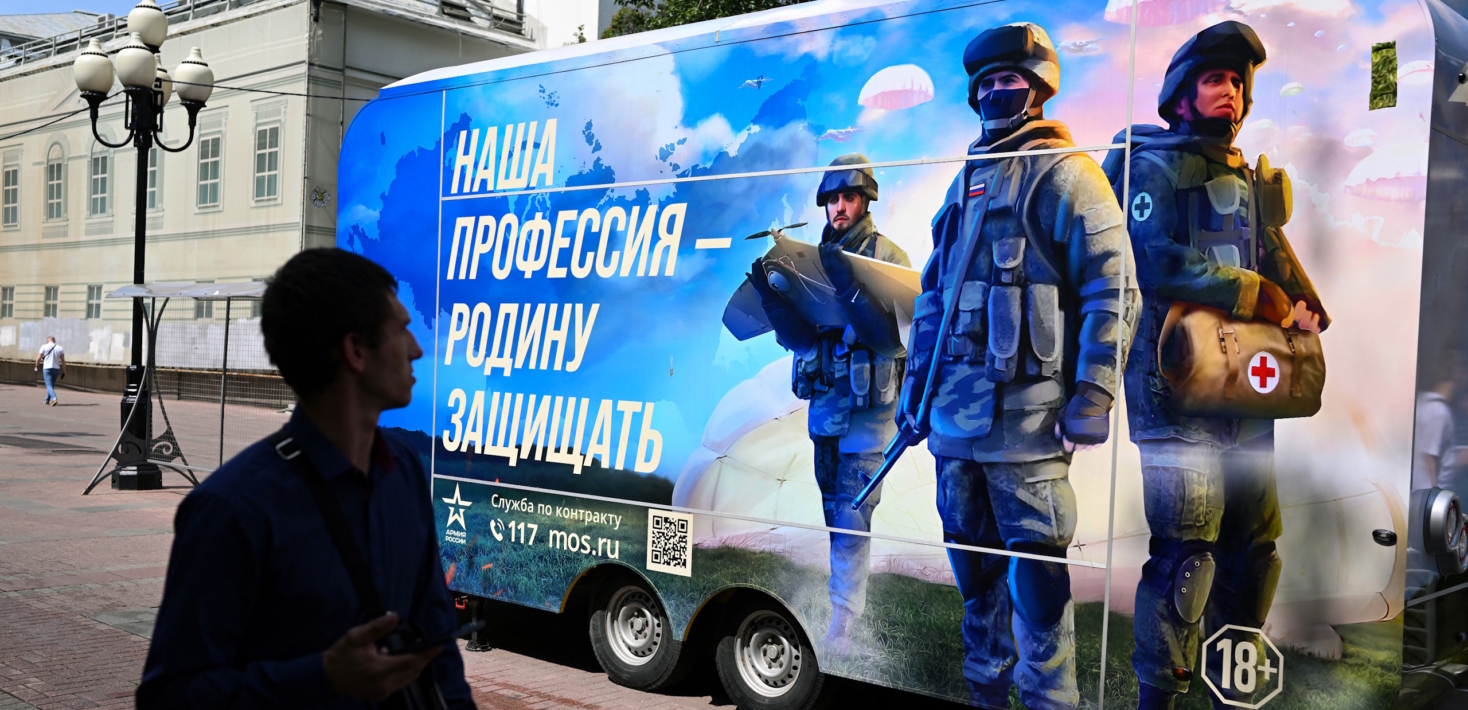
Russia’s federal budget deficit reached approximately 2.8% of GDP by July, nearly twice the annual target at that point. Liquid fiscal reserves had fallen to around 1.6% of GDP, while domestic borrowing costs remained elevated. Higher oil revenues have provided some relief, particularly following disruptions to global energy markets, but Russia remains exposed to changes in commodity prices and export revenues. The government must finance its military operations while supporting civilian spending, servicing debt, and managing inflationary pressures. The longer the conflict continues, the more difficult those competing obligations become.
The manpower issue is equally important. Russia has relied heavily upon financial incentives to attract volunteers without repeating the widespread disruption associated with its 2022 mobilization. That strategy has political advantages because it reduces the immediate pressure placed upon households outside the recruitment system. But it also creates a substantial financial obligation. If the government must continually increase payments to attract sufficient soldiers, recruitment becomes progressively more expensive. If it reduces those payments too aggressively, fewer people may consider enlistment worthwhile. The government must balance military requirements against the economic and political consequences of obtaining additional manpower.
History demonstrates that armies do not necessarily collapse because a government runs short of money. The more dangerous situation develops when financial strain coincides with declining confidence in military leadership, uncertain objectives, and deteriorating expectations among the population. Soldiers need to believe that their sacrifices will accomplish something. Families need confidence that the government will honor its obligations to those serving. A government that promises enormous financial rewards and subsequently reduces incentives may create questions about its long-term capacity to support the military, even when existing contracts remain legally unchanged.
The reduction in recruitment bonuses is therefore worth watching, but it should not be mistaken for proof that Russia is approaching military defeat. More important indicators will be whether recruitment continues to decline, whether regional governments can meet their personnel targets, and whether Moscow is forced to consider additional mobilization. Reports of delayed compensation, reduced benefits, or growing difficulties financing military obligations would provide further evidence of strain. Conversely, if enlistment remains sufficient despite lower payments, the reductions may simply represent an attempt to control costs.
Confidence ultimately determines how long a government can sustain extraordinary sacrifices. Soldiers must trust their leadership, families must believe that their sacrifices have meaning, and the population must accept the economic burden. Money can attract recruits, but it cannot replace those foundations. Russia’s shrinking recruitment bonuses do not establish that its military is losing confidence, but they raise questions about the financial and political sustainability of maintaining a prolonged war through paid enlistment. Those questions will become increasingly important as Moscow enters another year of military commitments.