
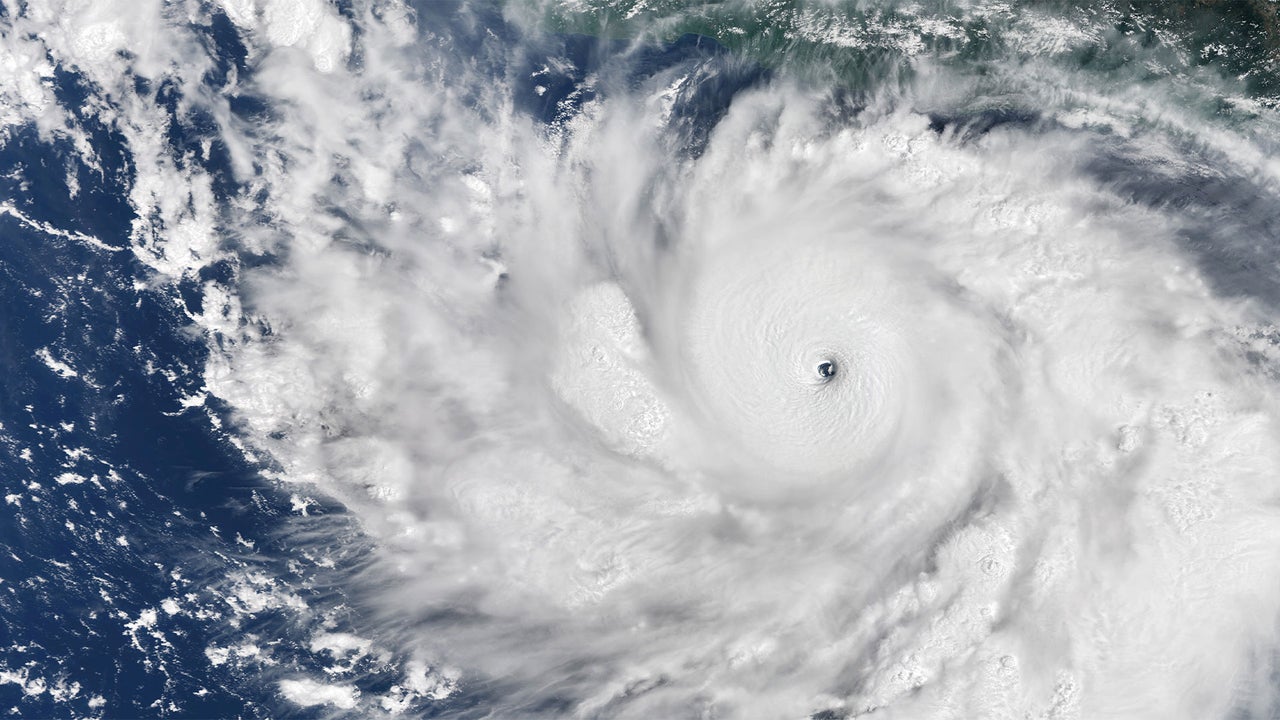
This weekend much of the Eastern Seaboard got hit with an unusual September nor’easter, bringing torrential rains, damaging winds, and coastal flooding from northern Maine all the way down to North Carolina. Here in New England, the heavy rains continued on Monday.
This year’s record-breaking Super El Niño is at least in part to blame for the scrambling of the hurricane seasons in our two largest oceans—which has left the typically busy Atlantic for the most part untouched, while major storms are brewing in the Pacific. That could seriously damage California’s coast, impacting sea levels and possibly triggering floods, as Fast Company previously reported.
The Atlantic hurricane season, which is typically in full force by this time of year, hasn’t produced even one major hurricane—only seven tropical storms, per USA Today. Normally, there would have been seven to eight hurricanes brewing in the Atlantic as we head into October, the article notes. At the same time, the normally relatively calm waters of the eastern Pacific have produced a whopping eight hurricanes and some 18 tropical storms.
Taken together, the changes have some media outlets declaring hurricane season “broken,” as the two oceans seemingly “swap” seasonal conditions. For example, a current look at the central Atlantic shows Tropical Depression Fay isn’t expected to strengthen, according to the National Hurricane Center; while in the Pacific, Nolo, a Category 4 hurricane on the Saffir-Simpson Hurricane Wind Scale, is traveling with maximum sustained winds near 155 mph, which could generate “life-threatening surf and rip current conditions” affecting “south- and west-facing shores of the main Hawaiian Islands for the next few days.”
In fact, El Niño is forecast to raise sea levels by about a foot by the middle of next month along the California coastline, according to oceanographer Dillon Amaya at North Carolina State University, CNN reported. And that may in turn trigger “Kelvin waves”—which unlike typical waves, “slosh up and down, like water in a bathtub,” where they are, in effect, stuck, according to CNN. That puts Northern California at risk for coastal erosion and severe flooding around the San Francisico Bay Area, in low-lying towns and communities sitting 6 feet or less above sea level.