
Opinions expressed by Entrepreneur contributors are their own.
Key Takeaways
- Being right and being trusted aren’t the same thing, and a decision can win one while completely losing the other.
- Before you act on a decision the data supports, test how the people affected will feel about it, not just whether the numbers back it up.
- When a decision that feels right turns out to be built on incomplete information, reversing it quickly and openly rebuilds trust faster than defending it ever will.
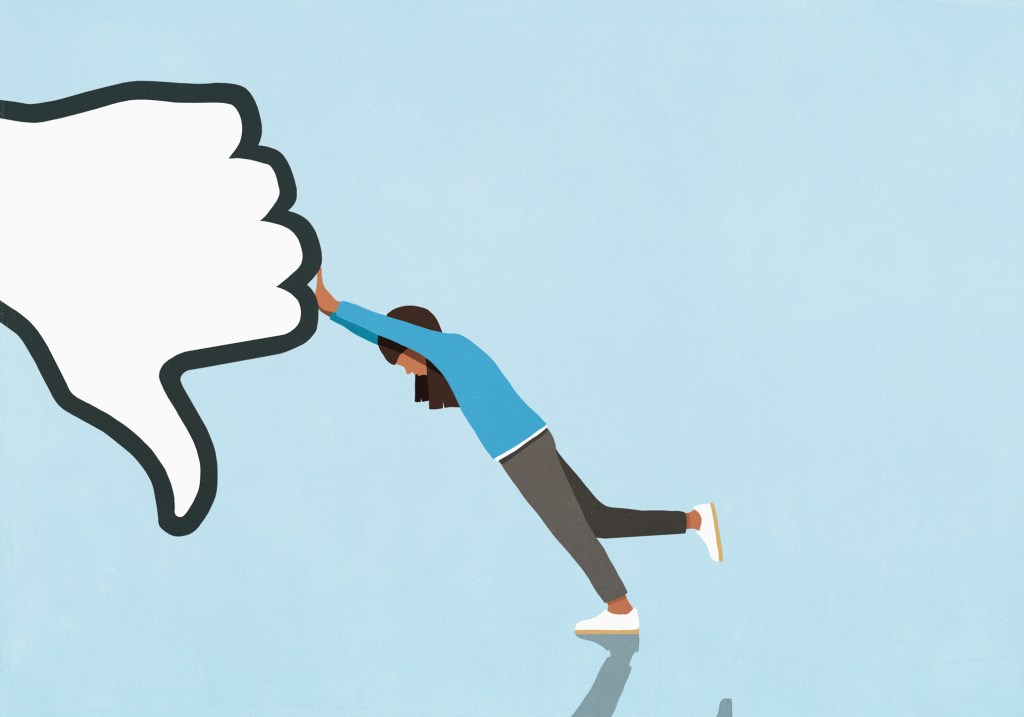
I’ve worked with founders who have similar stories about a decision that checked out on paper and still blew up in their hands. The numbers held up. Everyone who reviewed it signed off. And the moment it reached the people it actually affected — clients, employees, customers — the reaction had nothing to do with whether the decision was correct.
That gap between a decision being “right” and actually working out is one of the most expensive blind spots in business.
A story from 1985 shows this better than almost any case study I know, mostly because the company did everything a careful, data-driven leader is taught to do, and still walked straight into the mistake.
The most tested product decision in corporate history
By the early 1980s, Coca-Cola was losing ground to Pepsi. Pepsi’s blind taste tests kept favoring a sweeter flavor, and the gap kept widening. For a company built almost entirely around one century-old, secret recipe, this had become more than a minor competitive nuisance, attacking the very identity of the brand.
So Coca-Cola did what a careful, disciplined company is supposed to do: It tested the question thoroughly instead of trusting instinct. Over roughly two years, it ran more than 200,000 blind taste tests, pitting a new, sweeter formula against both the original Coke and Pepsi. The new formula won, consistently, at a sample size too large to call a fluke.
On April 23, 1985, Coca-Cola pulled the original formula and launched New Coke as the only Coca-Cola on shelves.
Within days, complaint calls passed 1,500 a day. A group calling itself the Old Cola Drinkers of America formed almost overnight, organizing boycotts and media appearances. People started hoarding cases of the original formula, and some resold them at a markup once word spread that it was gone for good. This was phone calls, letters and protests outside bottling plants, not a hashtag, because none of that existed yet — and national news treated the reformulation of a soft drink as a genuine act of loss.
By July 11, less than three months after launch, Coca-Cola brought the original formula back as Coca-Cola Classic. One of the most rigorously tested launches in consumer history still needed one of the fastest reversals in corporate memory to survive it.
The research was accurate. It just answered the wrong question.
The taste tests weren’t flawed. People really did prefer New Coke blind, and no amount of hindsight changes that finding. But the research only ever asked which formula tasted better in isolation. It never asked what the brand meant to people who already trusted it, or what would happen the moment that trust got taken away without warning.
Those are two different questions with two different answers, and only one of them predicted what actually happened on shelves. A blind taste test strips out context on purpose, because that’s what makes it a clean experiment. Nobody drinks Coke blind. People drink it with forty years of memory and habit already in the glass before the first sip, and the test measured the drink while missing the relationship entirely.
I see a version of this in the businesses I work with: a founder runs the numbers on cutting an underperforming service line with airtight math, and three long-standing clients leave the following quarter because nobody talked to them before it happened. A leadership team redraws the org chart based on a clean efficiency exercise, and the people most affected by the change experience it as being blindsided instead of being led. The analysis was sound in both cases, but it just never measured how the decision would be received.
This trap catches careful founders more than careless ones
It’s tempting to read this as arrogance, a company too confident in its data to listen. That’s not quite what happened. Coca-Cola tested more thoroughly than almost anyone bothers to, precisely because leadership took the decision seriously. The mistake was treating rigor in one area as if it covered every area that mattered.
That’s exactly the trap careful founders fall into more often than founders who skip their homework. Testing and measuring is a strength, and having discipline around data consistently outperforms the ones running on gut feel alone. But that same instinct can shrink “due diligence” down to whatever’s easy to measure. Customer preference is easy to measure; trust and identity aren’t, so they get left out of the model. Nobody decided that they don’t matter, but they never fit the spreadsheet to begin with!
Correct and trusted are two different things you have to earn
None of this is really about whether a decision is individually correct. A client relationship, a team culture, a loyal customer base, all depend on whether the people inside them feel like participants in what happens to them, rather than people something simply “happens to.” That feeling is earned separately from whether the decision itself checks out.
A pricing change can be fully justified by margin pressure and still cost you clients who feel like something happened to them rather than with them. A restructure can improve efficiency and still tank morale because the people affected felt managed instead of included in understanding why. The decision holds up under scrutiny in both cases. The relationship still absorbs the damage, because correctness and trust get earned through two completely different processes, and succeeding at one tells you nothing about the other.
This isn’t about founders not caring enough about their people. Usually a founder is carrying real pressure, and the numbers genuinely support the call. The relational cost of how it lands simply isn’t visible from inside a spreadsheet. That’s a blind spot built into the tools most founders reach for first, not a failure of character.
What Coca-Cola actually got right
The part of this story people forget is the 79-day reversal. Leadership didn’t spend a year defending it, commissioning new research hoping the backlash would prove temporary, or wait to see if sentiment would eventually come around to what the data had already confirmed. Once it was clear trust had taken a real hit, they reversed the decision publicly and fast, with no hedging.
That’s actually hard to do, because undoing a data-backed decision can feel like admitting your judgment was wrong (it wasn’t wrong!). The decision had just been built on half the picture, and once that became obvious, Coca-Cola treated the new information as a reason to act rather than a reason to defend the original call. That takes more discipline than holding the line out of pride, and it’s a far more useful lesson to take from this story than the reformulation.
A second question before your next big decision
Before you act on a decision the data supports, ask one more thing: If the people affected had no warning, would they feel consulted, or would they feel managed? The first question tells you whether the decision is correct, but the second tells you whether it will survive contact with the people it’s actually going to happen to.
Skipping that second question turns the reaction into a surprise, and surprises cost far more to clean up than the few extra days it takes to bring people in early.
This week, take the decision you feel most confident about, the one where the case is most airtight, and run it through that second question before you act on it. A well-tested decision and a well-received one have never been the same thing.
Founders who remember that are the ones who never need a 79-day reversal to find it out the hard way.
Here’s to building a business, and a life, with zero regrets.
Key Takeaways
- Being right and being trusted aren’t the same thing, and a decision can win one while completely losing the other.
- Before you act on a decision the data supports, test how the people affected will feel about it, not just whether the numbers back it up.
- When a decision that feels right turns out to be built on incomplete information, reversing it quickly and openly rebuilds trust faster than defending it ever will.
I’ve worked with founders who have similar stories about a decision that checked out on paper and still blew up in their hands. The numbers held up. Everyone who reviewed it signed off. And the moment it reached the people it actually affected — clients, employees, customers — the reaction had nothing to do with whether the decision was correct.
That gap between a decision being “right” and actually working out is one of the most expensive blind spots in business.
A story from 1985 shows this better than almost any case study I know, mostly because the company did everything a careful, data-driven leader is taught to do, and still walked straight into the mistake.