
Close Menu
    Facebook X (Twitter) Instagram
    TRENDING :
    • How the Fed is likely to act on interest rates just days before the midterm elections
    • Summit vs. Indy Rivalry Headlines Week 11 TSSAA Games
    • Air pollution from Utah’s planned Stratos data center could spread to states as far away as Illinois: report
    • George Russell Sidelined as F1 Teams Shake Up Mexico Lineups
    • Crumbl cookies store closures: List of shuttered locations grows in 2026 as viral chain faces headwinds
    • Alexander Brothers Each Sentenced to 30 Years in Prison
    • How the End of “Roe” Is Reshaping Medical Care: A Q&A With Alice Miranda Ollstein
    • VAR is ruining soccer. I say ban it
    Populist Bulletin
    • Home
    • US Politics
    • World Politics
    • Economy
    • Business
    • Headline News
    Populist Bulletin
    Home»Business»This common sleep habit could be changing the shape of your heart—for the worse
    Business 3 Mins Read

    This common sleep habit could be changing the shape of your heart—for the worse

    Business 3 Mins Read
    Share Facebook Twitter Pinterest LinkedIn Tumblr Telegram Email Copy Link
    Follow Us
    Google News Flipboard
    Share
    Facebook Twitter LinkedIn Pinterest Email

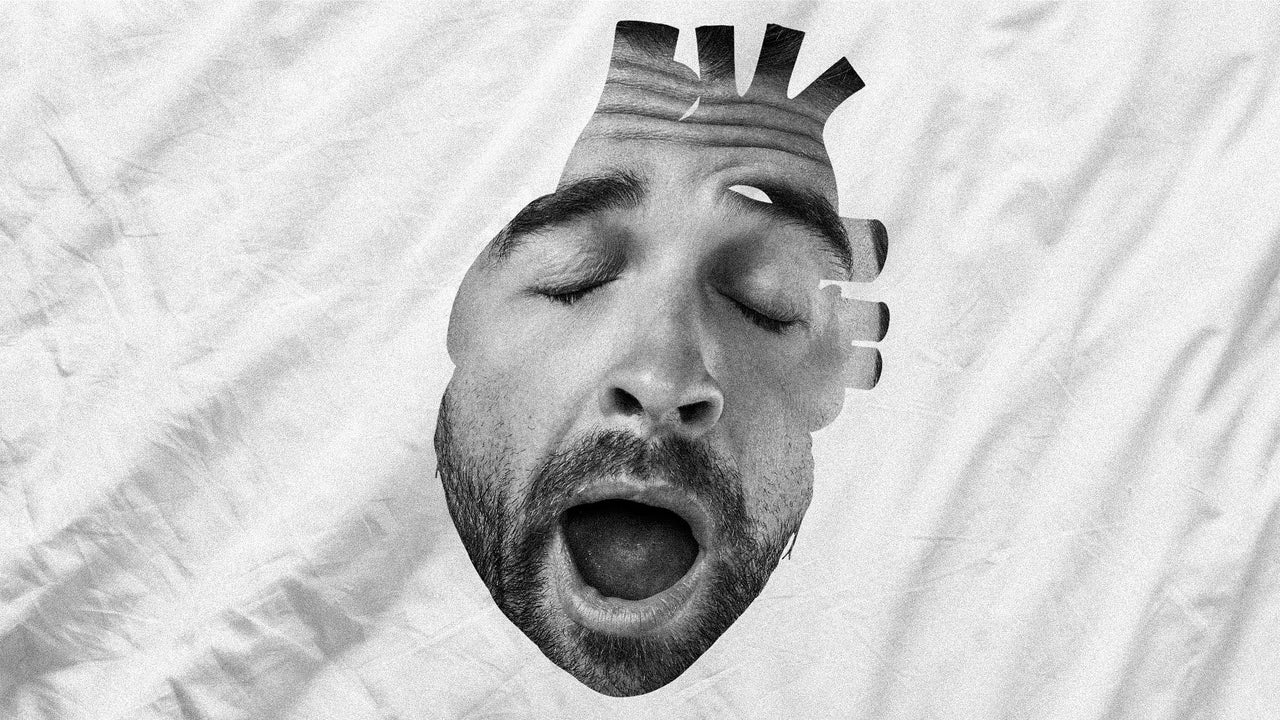
    Many people sleep with a night-light their whole lives—though as they grow older, small plug-in light fixtures may be replaced by the glow of laptops or phone screens. While sleeping in a low level of light may be commonplace, doing so comes with its own health hazards, including altering the shape of the human heart.
    A new study, published this week in the European Heart Journal, links exposure to light while sleeping to cardiac remodeling, or changes to the shape and function of the heart. Specifically, light exposure during sleep led to thickening of the wall of the left ventricle, one of the organ’s four chambers, reducing the space inside the heart. That weakens its ability to flex during a heartbeat, setting the stage for cardiac dysfunction.

    “Light pollution has emerged as a new risk factor for cardiovascular disease,” Dr. Lu Qi, a professor at Tulane University and an author of the study, said in a press release. “Our findings, together with evidence from other studies, suggest that reduction of nighttime light exposure should be considered as one of the potential strategies for preventing heart disease by clinicians and policymakers.”

    How much light is too much light?

    To determine how light exposure during sleep impacts cardiovascular health, the study’s researchers analyzed the sleep habits of 11,071 participants. Subjects wore a light sensor on their wrists while sleeping for seven days. Three years later, their hearts were scanned via cardiac MRIs to assess their structure and function.

    Those who were exposed to more than 3 lux overnight saw significantly more cardiac remodeling compared with those who slept in near complete darkness. Lux, the International System unit for light exposure, measures how much light falls on a given surface area.
    Three lux, the study’s benchmark for a high level of light exposure, may not seem like much light at all. It’s equivalent to the brightness of deep twilight, or to the amount of light that bleeds under a door from a bright adjacent room.

    A phone screen, meanwhile, can top out around 80 lux, according to experts. With 58% of U.S. adults saying they use their phone within an hour of bedtime or while in bed as they fall asleep, that’s more than half of Americans who may be unknowingly setting themselves up for heart problems in the future.

    How to sleep more safely

    To avoid light exposure during sleep, experts recommend using blackout curtains or sleep masks and covering small standby lights on electronics. Limiting screen time immediately before bed (and especially while falling asleep) is important, too. For the best quality sleep, ambient light should be limited to a maximum of just 1 lux, which is close to total darkness.

    In an article accompanying the study, cardiologist Thomas Münzel and his colleagues spoke to how its results might inform the future of medicine, including the questions doctors ask their patients during health screenings.

    “It is time for clinicians, particularly those managing patients with heart failure or atrial fibrillation, to start asking about the sleep environment: how dark the bedroom is, whether the patient works night shifts, and how much screen use occurs after sunset,” Münzel wrote. “Darkness deserves recognition as a vital sign, as essential to cardiovascular health as blood pressure control and clean air.”


    Source link

    Share. Facebook Twitter Pinterest LinkedIn Tumblr Email

    Related Posts

    How the Fed is likely to act on interest rates just days before the midterm elections

    October 28, 2026

    Air pollution from Utah’s planned Stratos data center could spread to states as far away as Illinois: report

    October 28, 2026

    Crumbl cookies store closures: List of shuttered locations grows in 2026 as viral chain faces headwinds

    October 28, 2026
    Top News
    World Politics 2 Mins Read

    Man Arrested for Allegedly Plotting to Murder Republican New Hampshire Governor Kelly Ayotte With Pipe Bombs | The Gateway Pundit

    World Politics 2 Mins Read

    Screencap of Anderson’s mugshot. A 22 year-old man was arrested this week for allegedly plotting…

    Dell, Roiv, Shel Hit 52-Week Highs

    September 23, 2026

    Gen Z is deep in ‘financial nihilism’: Why young people are betting big on stocks and crypto

    September 24, 2025

    How to Close a Camp—With John Washington

    August 17, 2026
    Top Trending
    Business 5 Mins Read

    How the Fed is likely to act on interest rates just days before the midterm elections

    Business 5 Mins Read

    The Federal Reserve is expected to stand pat on interest rates Wednesday…

    World Politics 1 Min Read

    Summit vs. Indy Rivalry Headlines Week 11 TSSAA Games

    World Politics 1 Min Read

    The Summit and Indy rivalry tops the list of must-see TSSAA high…

    Business 4 Mins Read

    Air pollution from Utah’s planned Stratos data center could spread to states as far away as Illinois: report

    Business 4 Mins Read

    Stratos, the Kevin O’Leary-backed data center in Utah, is projected to consume…

    Categories
    • Business
    • Economy
    • Headline News
    • Top News
    • US Politics
    • World Politics
    About us

    The Populist Bulletin was founded with a fervent commitment to inform, inspire, empower and spark meaningful conversations about the economy, business, politics, government accountability, globalization, and the preservation of American cultural heritage.

    We are devoted to delivering straightforward, unfiltered, compelling, relatable stories that resonate with the majority of the American public, while boldly challenging false mainstream narratives that seem to only serve entrenched elitists, and foreign interests.

    Top Picks

    How the Fed is likely to act on interest rates just days before the midterm elections

    October 28, 2026

    Summit vs. Indy Rivalry Headlines Week 11 TSSAA Games

    October 28, 2026

    Air pollution from Utah’s planned Stratos data center could spread to states as far away as Illinois: report

    October 28, 2026
    Categories
    • Business
    • Economy
    • Headline News
    • Top News
    • US Politics
    • World Politics
    Copyright © 2025 Populist Bulletin. All Rights Reserved.

    Type above and press Enter to search. Press Esc to cancel.