
Close Menu
    Facebook X (Twitter) Instagram
    TRENDING :
    • 49 Years Since Elvis Left the Building
    • AI notetakers have entered the meeting. Here are 5 ways to get the most out of them
    • International Duo Makes NFL Debut in Eagles Preseason
    • Tigers Call Up Brett Callahan, Designate Trei Cruz
    • Priyanka Chopra’s Hilarious Birthday Surprise for Joe Jonas
    • Alex Eala Eyes Tough Cincinnati Open Draw
    • Oracle Stock Plunges 10% Ahead of Earnings
    • Today is National Rum Day. Here’s a list of freebies and deals to mark the occasion (along with a history lesson)
    Populist Bulletin
    • Home
    • US Politics
    • World Politics
    • Economy
    • Business
    • Headline News
    Populist Bulletin
    Home»Business»Tyson Foods beef plant closures come as severe drought makes U.S. cattle shortages worse
    Business 4 Mins Read

    Tyson Foods beef plant closures come as severe drought makes U.S. cattle shortages worse

    Business 4 Mins Read
    Share Facebook Twitter Pinterest LinkedIn Tumblr Telegram Email Copy Link
    Follow Us
    Google News Flipboard
    Share
    Facebook Twitter LinkedIn Pinterest Email

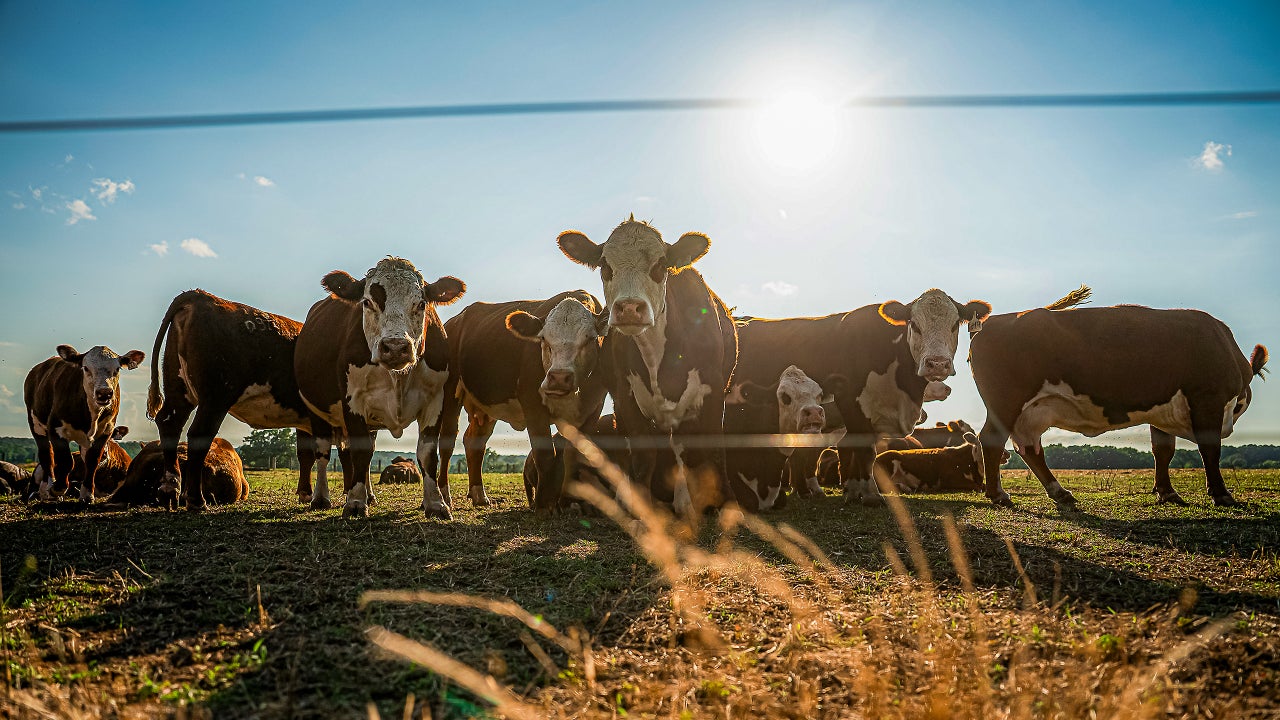
    This week, Tyson Foods announced that it is restructuring its beef business, closing or selling three of its facilities as it deals with “one of the most historic cattle shortages the country has ever experienced.”

    U.S. cattle herd levels are among the lowest seen in 75 years, a shortage that has been exacerbated by a range of impacts.

    For instance, there’s been a screwworm outbreak, prompting a shutdown of cattle trade with Mexico. Rising operational costs and consolidation across the beef industry also mean that the number of American ranchers is dropping.

    And underneath all that is the extreme weather: More than half of the country is in “severe” to “exceptional” drought, with some of the worst conditions in decades. 

    Cattle-producing states in particular have seen drought conditions for the past few years, and currently, 53% of the country’s cattle inventory is affected by drought, according to the University of Nebraska-Lincoln’s National Drought Mitigation Center. 

    That figure includes all cattle and calves, meaning for both the dairy and beef industries. For beef cattle specifically, more than three-quarters of the country’s herd was under drought conditions in July, according to agriculture forecasting company Terrain.

    Scarce resources for grazing cattle

    These conditions mean ranchers may struggle to provide enough food and water for their herds.

    In July, one Colorado rancher worried about running out of those resources for his 350 cows and calves, he told CBS News, adding that he planted 80% less hay this year both because of the lack of water and how hay prices have soared. 

    If ranchers don’t have enough grass for their cattle to graze, they may be forced to sell some of their animals. In May, at Wyoming’s largest livestock market, more than 9,000 cattle were sold in one week in what the market called a “special drought sale.” Typically, fewer than 1,000 cattle are sold in a week.

    Droughts, along with wildfires and other types of extreme weather, are becoming both more frequent and intense because of climate change. July 2026 was the hottest month for the U.S. since records began in 1896. 

    And drought and heat are connected: They often occur together, but drought can also lengthen heat waves, climate experts say, while heat waves, in turn, exacerbate drought, reducing moisture in the soil and harming both crops and ecosystems. 

    Climate change is a known risk for beef producers

    To Tyson, the environmental impacts on the beef industry aren’t necessarily a surprise. In financial filings, the company has long admitted that climate change could have adverse impacts on its business. 

    “Climate change and rising global temperatures may contribute to changing weather patterns, elongated drought periods, heavier or more frequent storms and wildfires, and increased frequency and severity of natural disasters, and may limit the availability, or increase the cost, of key agricultural commodities and natural resource ingredients,” the company wrote in a September 2025 filing. 

    At the same time, if people are concerned about climate change, that could hurt the beef industry as well, Tyson admits, writing that there could be “changes in consumer preferences” as well as more regulations around the industry’s environmental impacts.

    Beef is one of the worst climate offenders when it comes to proteins. It is responsible for eight to 10 times the carbon emissions as chicken and up to 50 times those of beans, and also comes with immense land and water use, deforestation, and methane emissions.

    In 2025, after a lawsuit brought by the nonprofit Environmental Working Group, Tyson had to stop making claims about “climate smart” beef, or reaching “net zero,” for at least five years. 

    While Tyson’s brief announcement about the beef plant closures this week doesn’t mention drought or extreme weather specifically, it does suggest that the cattle shortage is probably not going to end anytime soon: “[These] supply constraints are likely to persist,” it said, “requiring strategic action.”


    Source link

    Share. Facebook Twitter Pinterest LinkedIn Tumblr Email

    Related Posts

    AI notetakers have entered the meeting. Here are 5 ways to get the most out of them

    August 16, 2026

    Today is National Rum Day. Here’s a list of freebies and deals to mark the occasion (along with a history lesson)

    August 16, 2026

    Why one of the most common brain disorders is also one of the most misunderstood

    August 16, 2026
    Top News
    US Politics 8 Mins Read

    The Senate Proves Once Again That It’s the World’s Most Useless Deliberative Body

    US Politics 8 Mins Read

    Politics / March 24, 2026 Despite his denying the legitimacy of Biden’s election and making…

    Here’s how much you racked up on Uber Eats in 2025

    December 18, 2025

    ‘We don’t want to be left behind’: Reese Witherspoon says using AI is feminist and women need to catch up

    April 18, 2026

    After the DC National Guard Shooting Comes the Big Lie

    December 1, 2025
    Top Trending
    World Politics 1 Min Read

    49 Years Since Elvis Left the Building

    World Politics 1 Min Read

    Today marks the 49th anniversary of Elvis Presley’s death on August 16,…

    Business 7 Mins Read

    AI notetakers have entered the meeting. Here are 5 ways to get the most out of them

    Business 7 Mins Read

    A recent Wall Street Journal story confirmed what you already know: Everything…

    World Politics 1 Min Read

    International Duo Makes NFL Debut in Eagles Preseason

    World Politics 1 Min Read

    Two international players made their NFL debut during the Philadelphia Eagles’ preseason…

    Categories
    • Business
    • Economy
    • Headline News
    • Top News
    • US Politics
    • World Politics
    About us

    The Populist Bulletin was founded with a fervent commitment to inform, inspire, empower and spark meaningful conversations about the economy, business, politics, government accountability, globalization, and the preservation of American cultural heritage.

    We are devoted to delivering straightforward, unfiltered, compelling, relatable stories that resonate with the majority of the American public, while boldly challenging false mainstream narratives that seem to only serve entrenched elitists, and foreign interests.

    Top Picks

    49 Years Since Elvis Left the Building

    August 16, 2026

    AI notetakers have entered the meeting. Here are 5 ways to get the most out of them

    August 16, 2026

    International Duo Makes NFL Debut in Eagles Preseason

    August 16, 2026
    Categories
    • Business
    • Economy
    • Headline News
    • Top News
    • US Politics
    • World Politics
    Copyright © 2025 Populist Bulletin. All Rights Reserved.

    Type above and press Enter to search. Press Esc to cancel.