

QUESTION: Mr. Armstrong, thank you very much for that global overview of the energy market on your private blog. You’ve connected the dots in a way no one else seems to, just as you mentioned at your Tampa conference. I also appreciated your distinction between Eastern and Western Canada, could you elaborate on that a bit further?
And thank you again. My children’s eyes were truly opened by your insights.
FG
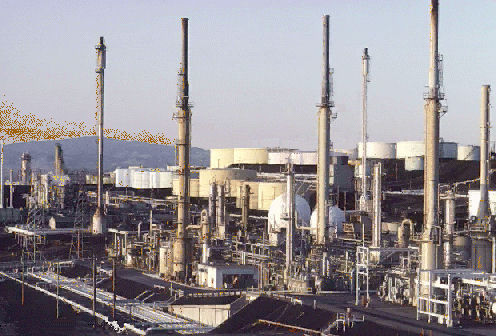
ANSWER: A refinery isn’t a one-size-fits-all machine. It is a complex industrial facility designed to process a specific type of crude oil efficiently. Hence, many refineries in Eastern Canada are configured to run on the lighter, sweeter crude oil typically imported from places like Saudi Arabia and Nigeria, rather than the heavier oil from Alberta’s oil sands or Texas. Therefore, refineries are designed for different grades of crude oil.
This introduces another dimension to the energy crisis. Also become of regulations in some provinces, pipelines have been blocked. Pipelines primarily move oil from Alberta to the U.S. and to British Columbia. There is no direct pipeline connection from Alberta to the Atlantic coast. Without this pipeline access, Eastern refineries rely on tankers for their crude supply. It has been simply more economical for them to import light crude from the Middle East that construct pipelines. Thus, Irving Oil’s large refinery in Saint John, New Brunswick, imports virtually all of its crude by tanker.
This energy crisis has another dimension whereas you simply cannot substitute crude oil that is heavy when the refinery can only handle light crude.