
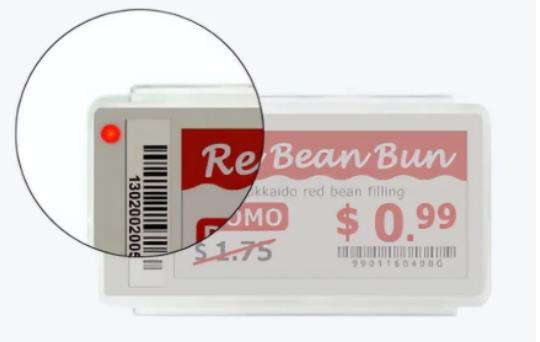
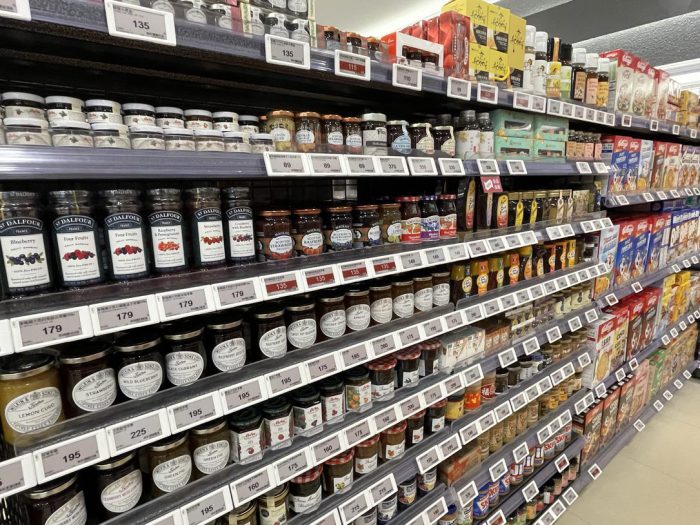
New Jersey has become one of the first states to draw a line against what may be one of the most disturbing developments in modern retail. Governor Mikie Sherrill signed the Fair Price Protection Act, banning grocery stores from using a shopper’s personal information to determine how much that individual should pay for the exact same product. The law also places a one-year freeze on installing new electronic shelf labels while the state studies whether the technology can facilitate individualized pricing. Retailers that violate the law can face lawsuits, refunds, permit suspensions, and fines reaching $20,000 for repeat violations.
Government is acknowledging that the technology exists to charge two people standing side by side different prices for the same loaf of bread simply because an algorithm has determined one of them is willing or forced to pay more. That is data exploitation masquerading as innovation.
The legislation targets what has become known as “surveillance pricing.” Companies collect information from loyalty programs, online searches, purchase histories, location data, and in some cases even biometric or genetic information, allowing artificial intelligence to estimate the highest price each consumer is likely to tolerate. The objective is no longer to determine what a product is worth. It is to determine what you are worth.
This is precisely why I have warned that data has become the most valuable commodity in the world. Everyone is obsessed with artificial intelligence replacing workers. That was never the real issue. The real prize has always been the collection of information. Once corporations and governments know where you go, what you buy, what you search for, who you associate with, and how much money you make, pricing becomes individualized. Insurance becomes individualized. Credit becomes individualized. Taxes eventually become individualized. We are constructing an economy where every citizen receives a different reality based on an algorithm.
Notice how quickly digital shelf labels entered this discussion. Retailers insist they merely make price updates more efficient. That may be true today. But efficiency is not why legislators paused their expansion. They recognize that once every price tag becomes a networked computer, nothing prevents prices from changing every minute or second based upon demand, inventory, weather, neighborhood demographics, or even the profile of the person standing in front of the shelf. The infrastructure comes first. The software always follows.
What New Jersey has effectively admitted is something many dismissed as a conspiracy only a few years ago: technology has advanced to the point where companies can quietly charge different customers different prices without anyone realizing it. If lawmakers believed this capability did not exist, there would have been no reason to prohibit it.
This debate extends far beyond grocery stores. We already see artificial intelligence determining insurance premiums, mortgage approvals, hiring decisions, credit scores, and even apartment rents. Every new data point collected about your life becomes another variable that can be monetized. The distinction between marketing and surveillance has largely disappeared.
The larger concern is that once consumers become accustomed to individualized pricing, the same philosophy inevitably migrates elsewhere. Governments are racing toward digital identities, central bank digital currencies, biometric verification, and AI-driven public services.
People keep asking where all of this ends. It ends when prices are no longer determined by supply and demand but by who you are. The computer already knows where you shop, what you earn, what medications you take, how often you travel, and increasingly what you believe. Add digital currencies, biometric identification, and artificial intelligence together, and you no longer have a free market. You have a surveillance economy where every citizen lives under a different set of rules determined by an algorithm. That is a future no free society should ever accept.