
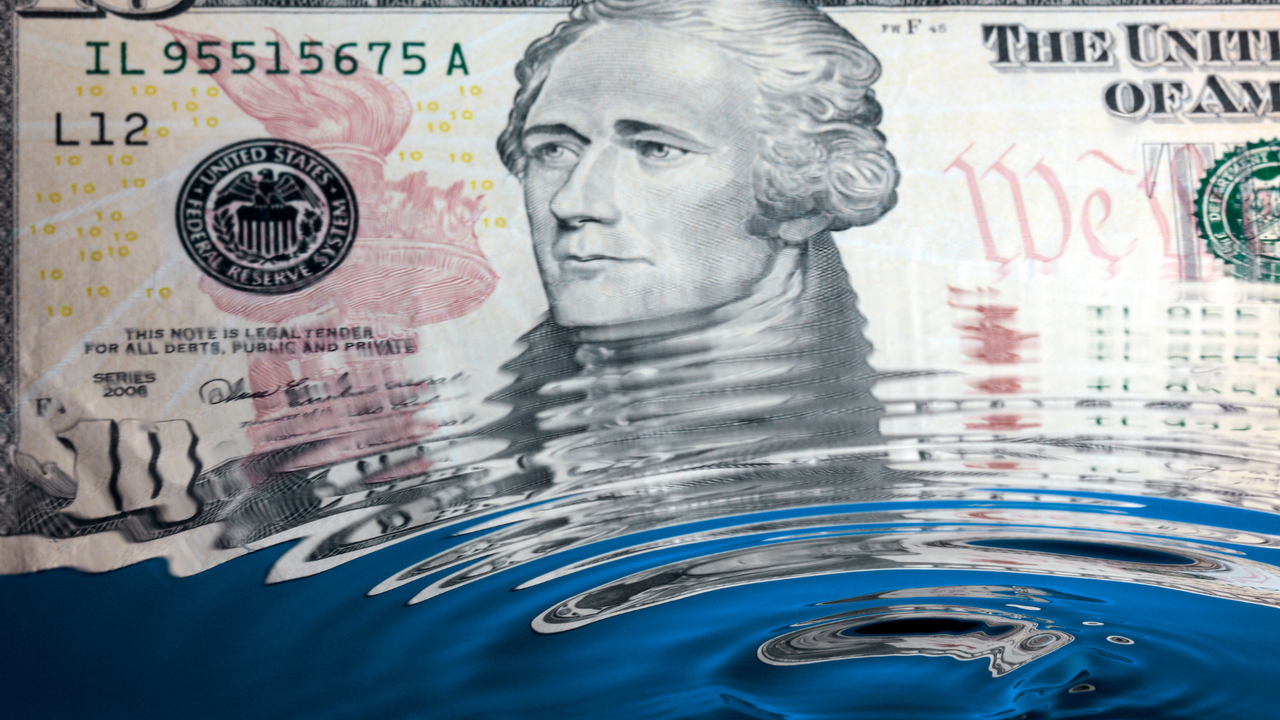
Flooded basements, mold growth, and rotting wood are all symptoms of the alarming uptick in flood damage facing property owners nationwide. Its costs, which can reach nearly a staggering half a trillion in the U.S. each year, are surging as the impact of climate change worsens. And that impact is becoming unpredictable, with 29% of flood claims coming from outside what are typically considered “high risk areas.”
The search for an answer to this crisis has been focused disproportionately on insurance premiums and incentives, along with state-backed schemes to ensure reinsurance companies can be counted on. And while important, that approach will never work on its own; one need only look at population growth in places like Florida to see why. An effective solution to the flooding challenge must focus on innovation, and that means looking not only at where we build and its related insurance consequences, but how we build.
URBAN DESIGN FOR VULNERABLE CITIES
Cities are our vital economic centers, but they’re also traditionally the areas hardest hit by flooding, which paralyzes commerce and runs up damage. Cities have extensive impervious land cover—such as parking lots, roads, and rooftops—that neither absorb water nor properly drain it, leading to significant water damage. For instance, a Salt Lake City study found that increased paved and built-over surfaces had a far greater effect on flooding than changes in rainfall, driving up to 240% more flooding intensity in smaller storm events. While we typically think of cities like Miami or New Orleans as vulnerable outliers, in America’s economic epicenter, New York, half of the residents—4.4 million people—are exposed to extreme flood risk.
While the response to this risk isn’t one-size-fits-all, there are numerous success stories that offer useful lessons we can draw on to better protect our cities from flooding without completely reinventing the wheel. Rotterdam, for example, has deployed a “sponge city” approach that includes a wide array of protections, from floodable public squares and smart roofs with plants and water storage systems, to cisterns. The result is that the city can absorb over 10 million liters of water during flood conditions, making it incredibly resilient against flooding.
Tokyo’s more straightforward approach—its G-Cans tunnel system, capable of draining an Olympic swimming pool’s worth of water in just 12 seconds—is equally successful. The system famously drained 12 million cubic meters of water during Typhoon Hagibis, largely sparing the city from flooding that would otherwise have been devastating. New York is taking a Venice-esque approach, relying on flood barriers that should be completed in 2027. While the costs may be eyewatering, the math is clear: every dollar invested returns six dollars.
NOT WHERE TO BUILD, BUT WHAT TO BUILD WITH
Building codes are already taking flooding into account, stipulating that materials including concrete, concrete block, brick, ceramic tile, glass, pressure-treated lumber, and naturally decay-resistant woods be used in flood zones. But this response is far from adequate. Upgrading materials in flood zones requires a holistic approach to be effective, and a rethink that departs from chemically-treated plywood, which currently stands out as the weakest part of the system.
Plywood requires costly (and toxic) treatment to become water resistant, but it degrades over time. It can warp and rot, and most importantly, it isn’t waterproof. To make matters worse, the plywood supply chain is inherently volatile, susceptible to price fluctuations due to tariffs, geopolitical conflict, and other variables. During the pandemic in 2020, for example, the cost of lumber jumped over 300%.
Replacing treated plywood with a polypropylene-based alternative could have a monumental impact when building flood resilience and reducing expenses. Marine grade plywood, typically considered the gold standard in flood zones, has a major Achilles heel: durability. If it’s inundated with water for longer than two days, a common occurrence in cases of serious flooding, significant damage ensues.
Polypropylene-based alternatives eliminate this ticking time bomb because they’re completely waterproof by design and don’t degrade, warp, or rot like plywood. Even a single inch of water in a home can cause up to $25,000 in damage and the average National Flood Insurance Program insurance claim payout between 2016 and 2022 was over $66,000. The potential impact of switching from plywood to a polypropylene alternative cannot be overstated.
OUR NEW REALITY
What were formerly once-in-a-decade or even once-in-a-lifetime flood scenarios are our new reality. The status quo across both urban design and building materials leaves us woefully unprepared for this new era, and is already costing staggering, unsustainable sums. Yet the prevailing approach to addressing these issues is overly focused on regulation, rather than looking to the innovation that is sorely needed to avoid major, costly disasters. The good news is that in the case of both urban design and building materials, better solutions already exist. Amid rising waters, the only question is whether our innovative solutions will rise to meet them.
Sean Petterson is CEO and cofounder of Supersede.