
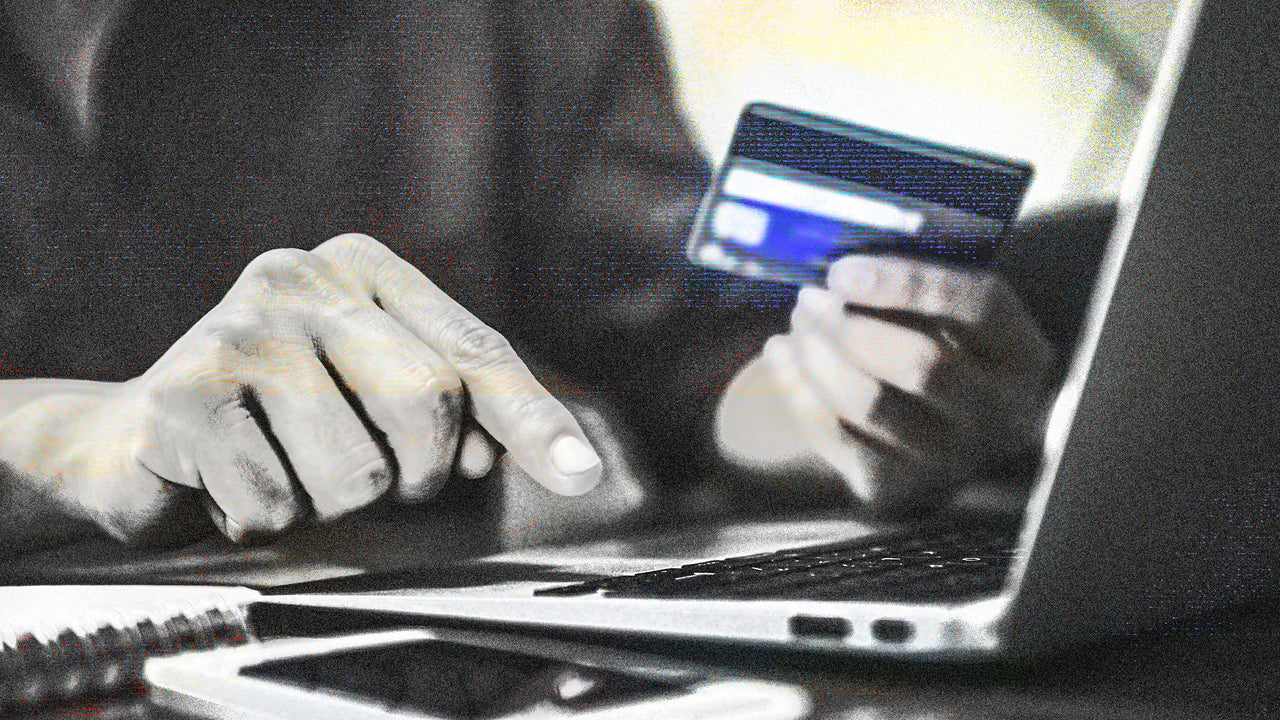
FoodNeverComes has all the trappings of a food delivery app. You can scroll through a list of restaurants, select your items, and make modifications, then enter your address and method of payment and track the courier as they bring the food to your door. The only catch? As the app’s name implies, the food never actually comes.
FoodNeverComes features no real transactions or deliveries. Instead, it’s part of a growing trend of fake online shopping sites spreading from South Korea. On so-called “dopamine sites,” users can simulate retail therapy without the actual retail, getting the buzz that comes from purchasing something without any actual financial cost.
The science behind the concept adds up: Dopamine is generally released in the brain in anticipation of a reward, not when it’s received. That means clicking a “buy” button should feel good even without a real product attached to it—but skeptics on social media aren’t so sure.
The app’s origin story
FoodNeverComes was created by a South Korean developer named Malhee, who shared on social media that the idea came to them on “one of those nights when I kept opening and closing delivery apps.”
“I started it as a joke at first, but surprisingly, just satisfying that urge to ‘order something’ made it weirdly fulfilling without actually ordering,” Malhee wrote in Korean, translated to English.
“Everyone’s like that these days, right? Not because you’re hungry, but out of habit, boredom, your hand just opens the delivery app first. This app’s made to break that pattern, just once,” they continued. “Anyone who wants to quit delivery apps but can’t, who’s on a diet but keeps reaching for the app, or just wants to check out a quirky app—you’re all welcome.”
“Playing pretend for adults”: Social media weighs in
Though dopamine sites are reportedly growing in popularity among South Korean Gen Zers, the broader internet isn’t as sold on the concept. When posts about FoodNeverComes and other dopamine sites went viral over the weekend, users on apps like X decried the concept as a sad reflection of late-stage capitalism.
“The world is such a depressing place, man,” reads one viral response. Another user joked that simulating online retail is like “window shopping for people who can’t touch grass.”
Though apps like FoodNeverComes may lack broad appeal, they could serve specific communities like those suffering from online shopping addiction. On a subreddit for shopping addicts, users debated the merits of the app for keeping them away from actual online stores.
Some were on board, like one user who likened the app to how nonalcoholic beer can help recovering alcoholics. “Scratches the itch, especially in the beginning,” they wrote. “You end up moving on from it, but it can be a really helpful stepping stone.”
But others said the app would be more aggravating than helpful. “This would not work for me,” one user wrote. “It would just piss me off knowing nothing is actually coming.”
A third user said the app is like “playing pretend for adults,” adding, “We’re basically experiencing play shopping like a child again.”
“There are a lot more important things we can be doing with our time and attention,” agreed another commenter. “But if playing pretend keeps you from spending your money and cluttering your house up, maybe the time invested is worth it.”