
Close Menu
    Facebook X (Twitter) Instagram
    TRENDING :
    • What are youth sports really for?
    • Arsenal Eyes Atletico Star Alvarez in Transfer Push
    • Why are ‘Woke 1’ and ‘Woke 2’ suddenly going viral? AOC ‘crazy’ comment sparks internet debate
    • Eric Fructuoso Goes All-In on the Pickleball Craze
    • Why Spirit Airlines’ internal data has become a hot commodity for AI companies
    • Top QBs Earn Johnny Unitas Golden Arm Award Nods
    • How the yellow school bus became an iconic symbol in America
    • Stafford Sidelined for Rams-Saints Preseason Game
    Populist Bulletin
    • Home
    • US Politics
    • World Politics
    • Economy
    • Business
    • Headline News
    Populist Bulletin
    Home»Business»Oil supplies could still take months to get back on track despite a U.S.-Iran ceasefire
    Business 3 Mins Read

    Oil supplies could still take months to get back on track despite a U.S.-Iran ceasefire

    Business 3 Mins Read
    Share Facebook Twitter Pinterest LinkedIn Tumblr Telegram Email Copy Link
    Follow Us
    Google News Flipboard
    Share
    Facebook Twitter LinkedIn Pinterest Email

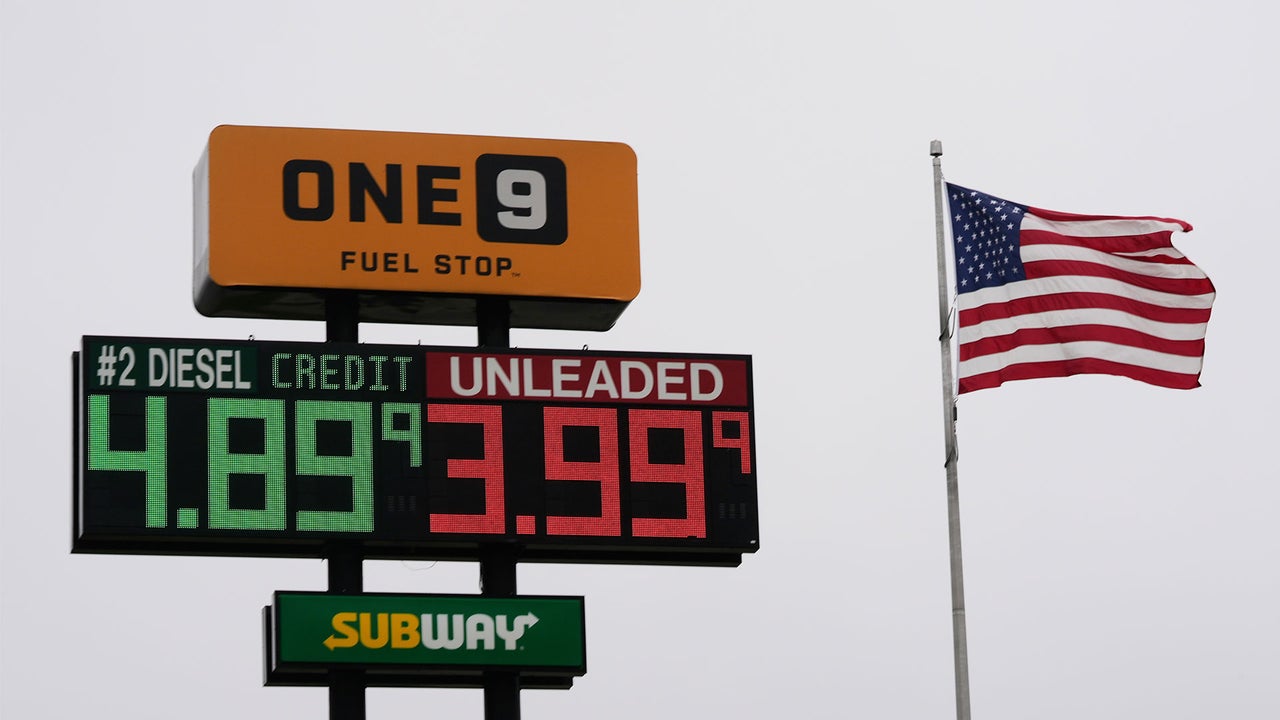
    High oil and gasoline prices and energy supply problems won’t be solved overnight, despite an agreement to end the Iran war and open the Strait of Hormuz announced Sunday.
    It will likely take months before energy companies can resume operations to the point of meeting the world’s demand, according to energy experts. The slow pace of the process of shipping and refining crude oil, and doubts about the security of traveling through the strait mean the effect won’t be seen immediately, they said.
    Ships loaded with crude oil have been stranded in the Persian Gulf for more than three months, unable to safely travel through the waterway, through which about a fifth of the world’s oil and gasoline supplies typically traveled before the war began.
    “It’s going to take time for people to feel comfortable and for insurance to be in place … particularly to get people on the ground to restart some of these assets,” said Daniel Evans, global head of fuels and refining research at S&P Global Energy.
    Still, oil prices slipped early Monday after the deal was announced.
    Brent crude, the international standard, was down $3.45 at $83.89 per barrel. U.S. benchmark crude oil lost $4.03 to $80.85 per barrel.
    Those prices are still well above the roughly $70 per barrel where oil was trading before the war started.
    As the higher prices unwind, ships that have been stranded will have to exit the strait, and then new tankers will have to come in to be loaded, Evans said.
    “To bring a ship in, you need to be confident that you’ve got a big enough window of safety to bring it in, load it and move it out,” he added.
    Oil tankers also move slowly, he explained. It takes months to travel from the strait to distant countries, deliver the crude oil to a refinery for processing and then arrive at its final destination.
    In addition, some producers in the Middle East paused extracting oil from the ground, known as a shut-in, when they ran out of storage space. Restarting those operations can be a slow process.
    Countries such as Saudi Arabia and United Arab Emirates, where there are alternate pipelines or routes besides the Strait of Hormuz to deliver oil, may be among the quickest to resume production, said Alan Gelder, senior vice president of refining, chemicals and oil markets at Wood Mackenzie, an analytics firm.
    “But places like Iraq could be much more challenged because they’ve had a much bigger shut-in, their fields are more difficult … it may well take about a year before they get back,” he said.
    Investment in the energy system, which can take years to see the results, ground to a halt after the strait’s closure, Gelder said. So it will take time for this capital to restart.
    Countries that shut in oil production won’t want to restart until they know there is a stable, durable strait, and that a ceasefire will last more than 30 or 60 days, said Daniel Sternoff, senior fellow at the Center on Global Energy Policy at Columbia University.
    “We don’t know what open means or what the speed of evacuation of trapped material is going to be,” he said.

    —Cathy Bussewitz, Associated Press


    Source link

    Share. Facebook Twitter Pinterest LinkedIn Tumblr Email

    Related Posts

    What are youth sports really for?

    August 23, 2026

    Why are ‘Woke 1’ and ‘Woke 2’ suddenly going viral? AOC ‘crazy’ comment sparks internet debate

    August 22, 2026

    Why Spirit Airlines’ internal data has become a hot commodity for AI companies

    August 22, 2026
    Top News
    Business 5 Mins Read

    Figma’s new agentic design tool is like getting an ultra-fast coworker

    Business 5 Mins Read

    Today, Figma announced an AI agent built natively inside its collaborative environment. Forget the disconnected,…

    Drugmaker Calls Britain “Uninvestable” | Armstrong Economics

    September 15, 2025

    CBO predicts federal deficits and debt to worsen over next decade amid Trump’s policies

    February 11, 2026

    How to balance intuition and strategic thinking

    January 20, 2026
    Top Trending
    Business 5 Mins Read

    What are youth sports really for?

    Business 5 Mins Read

    As families settle into the fall sports season, the American youth sports…

    World Politics 1 Min Read

    Arsenal Eyes Atletico Star Alvarez in Transfer Push

    World Politics 1 Min Read

    Arsenal manager Mikel Arteta and sporting director Andrea Berta are in frequent…

    Business 5 Mins Read

    Why are ‘Woke 1’ and ‘Woke 2’ suddenly going viral? AOC ‘crazy’ comment sparks internet debate

    Business 5 Mins Read

    When Representative Alexandria Ocasio-Cortez said that “Woke 1.0 was crazy” on ABC…

    Categories
    • Business
    • Economy
    • Headline News
    • Top News
    • US Politics
    • World Politics
    About us

    The Populist Bulletin was founded with a fervent commitment to inform, inspire, empower and spark meaningful conversations about the economy, business, politics, government accountability, globalization, and the preservation of American cultural heritage.

    We are devoted to delivering straightforward, unfiltered, compelling, relatable stories that resonate with the majority of the American public, while boldly challenging false mainstream narratives that seem to only serve entrenched elitists, and foreign interests.

    Top Picks

    What are youth sports really for?

    August 23, 2026

    Arsenal Eyes Atletico Star Alvarez in Transfer Push

    August 23, 2026

    Why are ‘Woke 1’ and ‘Woke 2’ suddenly going viral? AOC ‘crazy’ comment sparks internet debate

    August 22, 2026
    Categories
    • Business
    • Economy
    • Headline News
    • Top News
    • US Politics
    • World Politics
    Copyright © 2025 Populist Bulletin. All Rights Reserved.

    Type above and press Enter to search. Press Esc to cancel.