
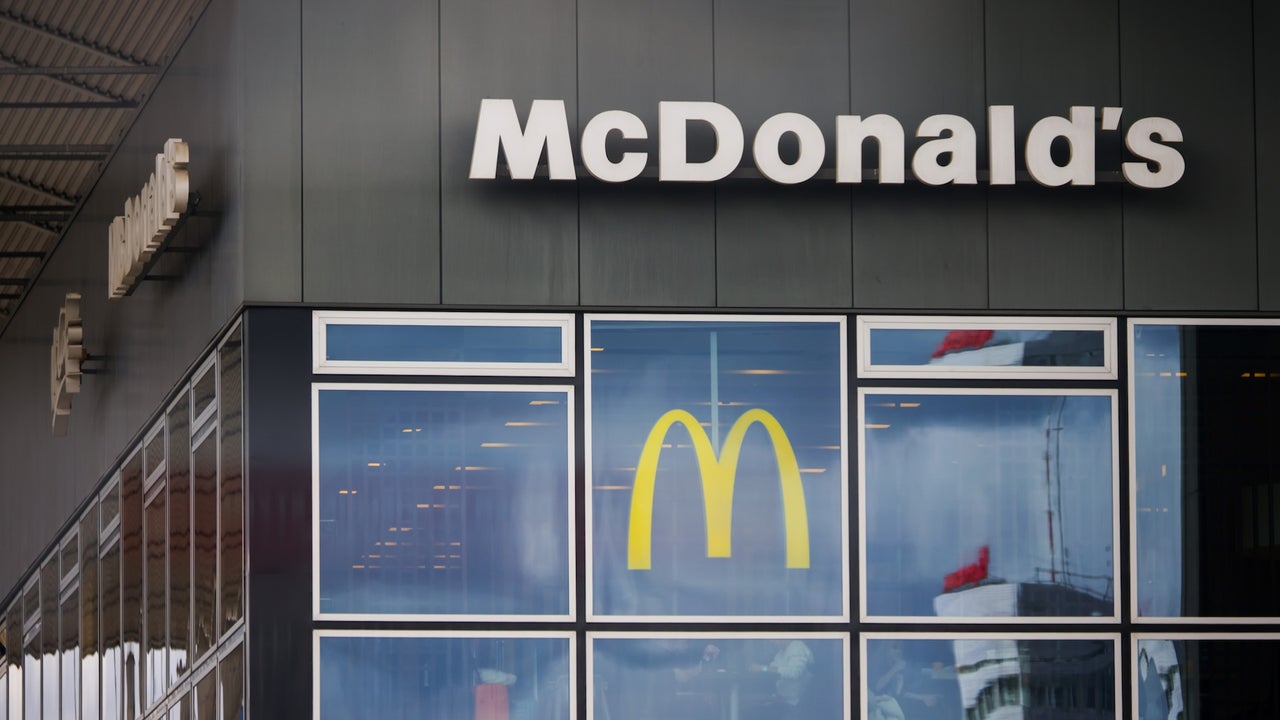
McDonald’s spent decades training customers that if you had a dollar, you could get a burger. Now it’s trying to redefine what “value” means, and it turns out customers have a very different idea. More important, those customers aren’t about to pay $2.50 for something they think should cost a lot less without complaining about it.
It’s less a story about burgers and more a story about trust. Specifically, it’s a story about the promise McDonald’s has made its customers for decades. It’s also about the trust problem the company created entirely on its own when its customers decided it was no longer keeping that promise.
The actual story here is that McDonald’s rolled out its new McValue menu, featuring items that are all “under $3 each.” It’s built around what the company calls “predictable everyday low prices.” There are no more complicated app-only promotions, no more buy-one-get-one deals, no more dollar menu nostalgia. Instead, you get prices that are, depending on how you do the math, roughly two and a half times what customers remember paying not that long ago.
The backlash has been immediate and, honestly, a little brutal. There are Reddit threads full of people reminiscing about 99¢ McDoubles. Customers are publicly mourning the death of the “buy one, get one for $1” deals that used to anchor their lunch routine. The general sense is that McDonald’s has lost touch with what its customers actually perceive as a value.
Here’s the thing: None of this is actually about the $2.50 cost of a McDouble.
McDonald’s built its entire competitive position on one very specific idea—that value and convenience are more important than anything else. If you were hungry, McDonald’s was fast, and the price was low enough that evaluating your options felt like a waste of time.
Which is why a $2.50 McDouble isn’t being evaluated against inflation-adjusted commodity prices or franchisee labor costs. It’s being evaluated against what McDonald’s itself promised for 30 years. The company ran dollar menus and two-for-one campaigns long enough to wire a specific expectation into an entire generation of customers. Unwiring that expectation requires a lot more than a press release about a “value platform.”
The timing makes it worse. Airline fees, streaming price hikes, hotel “resort fees” at places with no resort—Americans have spent the past few years watching every affordable convenience slowly get more expensive and less generous. Fast food was one of the last categories that still felt like a safe, cheap, low-stakes decision. That feeling is gone now, and McDonald’s is the most visible symbol of its disappearance.
There’s also a threshold problem the company may be underestimating. Once fast-food prices climb close enough to fast-casual prices, customers start asking the one question McDonald’s has never wanted them to ask: Is this actually good? For most of the restaurant’s history, that question never came up because the price made it irrelevant. When you’re spending closer to $10 once you add fries and a drink, you start comparing the experience against options that might be slightly more expensive but noticeably better.
McDonald’s never needed to win that comparison in the past. It just depended on customers not thinking about it at all.
To be clear: The economics here aren’t crazy. Wages are up. Ingredients cost more. Franchises are businesses, not charities. Selling burgers for a dollar wasn’t going to last forever.
But what companies can’t control is how customers emotionally process the moment the change arrives. McDonald’s didn’t just raise prices—it disrupted the unconscious habit that made it indispensable. And once people start treating a fast-food run as a calculated purchase instead of an automatic one, McDonald’s puts itself in a completely different business than the one it built its brand on. That’s something no company should ever do.
—Jason Aten
This article originally appeared on Fast Company’s sister website, Inc.com.
Inc. is the voice of the American entrepreneur. We inspire, inform, and document the most fascinating people in business: the risk-takers, the innovators, and the ultra-driven go-getters that represent the most dynamic force in the American economy.