
Rural communities are crucial to the state—and the country. Why do they get so little attention?
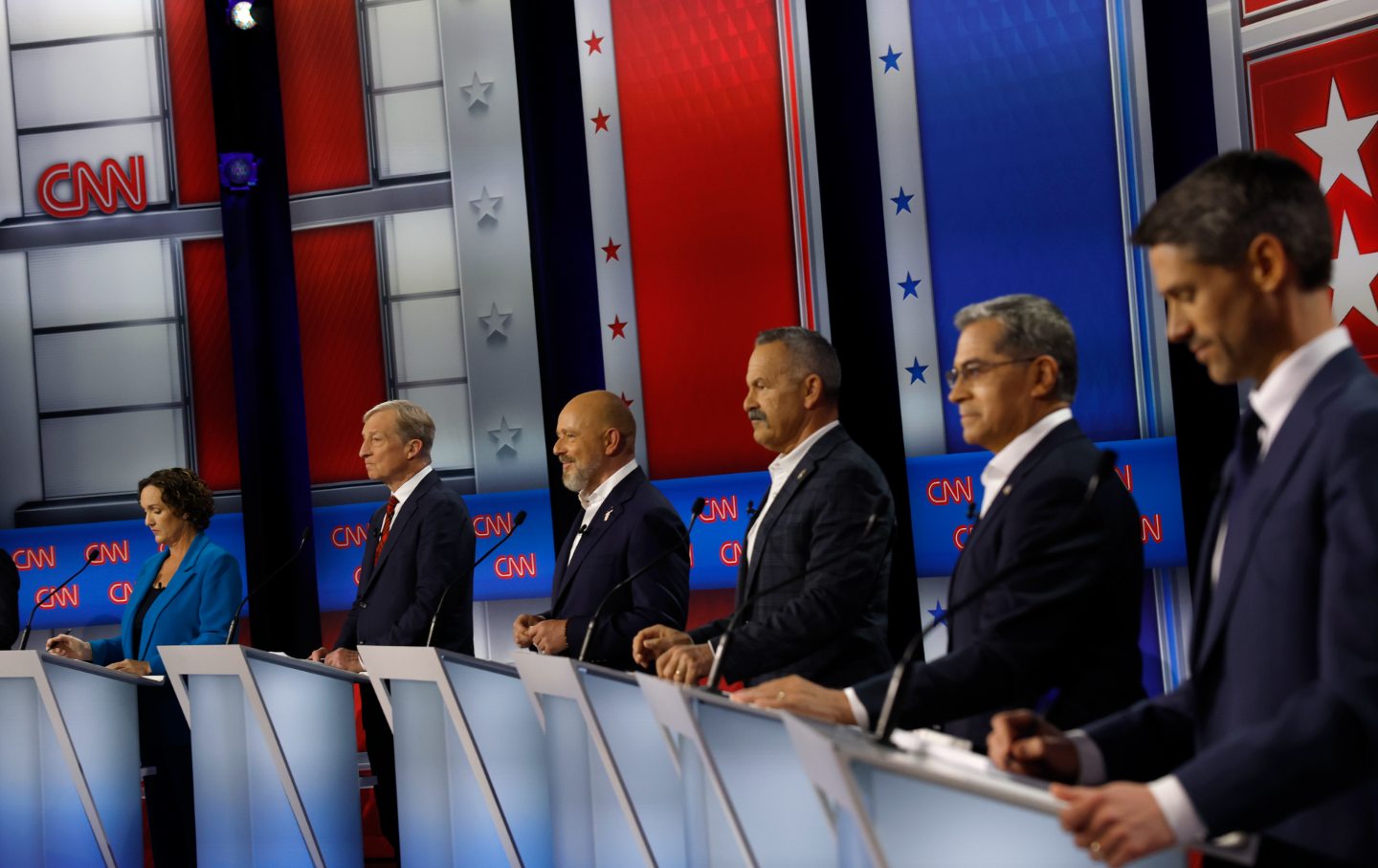
California gubernatorial candidates at a debate on May 5, 2026.
(Justin Sullivan / Getty Images)

On April 7, Del Monte shuttered a peach cannery in Modesto, a town in California’s Central Valley. It was the company’s last remaining factory in California, and its closure left 600 full-time and 1,200 seasonal employees suddenly out of work and 70 growers without a buyer for their contracted 50,000 tons of peaches. In a town with a 7.4 percent unemployment rate, the plant closure was a gut punch.
Since then, the panoply of candidates running to be governor of California have participated in four debates. Modesto is the county seat of Stanislaus County, which leans Republican but not by much. Across all those debates, one or more of the seven Democrats and Republicans on the stage might have brought up Modesto’s plight as emblematic of the economic challenges that California’s rural communities face. Democrats, in particular, should have welcomed the opportunity to chip away at Republicans’ rural dominance, following in the footsteps of the DCCC’s new rural outreach program.
But that’s not what happened. There was zero discussion of farming or other rural issues, such as energy-and-water-sucking hyperscale data centers, the right to repair farm equipment, and the decline of manufacturing, fishing, and logging. There was no mention of the 735,000 rural Californians and 13 Native American reservations that lack safe drinking water. A few candidates called for free college, but no one mentioned trade schools or apprenticeship programs that provide vital pathways for rural youth.
There was also no discussion about the Save Our Bacon Act, which was passed by the US House shortly before the May 5 and 6 debates. The act takes direct aim at California’s Proposition 12, which bans the sale of products from inhumanely confined animals. Prop 12 was endorsed by the United Farmworkers and the Center for Food Safety alongside numerous animal welfare organizations. The California Farm Bureau and large feedlot operators opposed it. Whether the law stands or falls has major repercussions for small pork and egg producers and consumers; why not ask candidates about it?
The sum total of rural debate content was the following: Katie Porter alluded in passing to the state’s hospital closure crisis, an issue that disproportionately impacts rural communities (though she didn’t note that). And San Jose Mayor Matt Mahan let it be known that he grew up in a farming town. That’s it.
The candidates barely discussed the issue that is always top of mind for rural and urban working people: jobs. During the April 28 debate, the sole job creation question came from a college student who asked two candidates (Antonio Villaraigosa and Tony Thurmond) what they would do to bring jobs back to the Golden State. Neither had much of an answer.
Current Issue

On May 6, a moderator asked how the gubernatorial hopefuls would reduce unemployment given the supposed corporate exodus from the state. The strange framing of that question led most of the candidates to rant about excessive regulation and the high cost of living. Front-runner Xavier Becerra, for his part, committed to making sure other states don’t “steal” our Hollywood jobs. And Republican candidate Steve Hilton, currently in second place, boldly proclaimed that we should help small businesses create jobs. Okey dokey.
Where’s the beef? Where’s the industrial policy or government jobs program that will generate stable, well-paying jobs for people without college degrees?
California’s highest-profile industries are technology and entertainment, but in most rural parts of the state, agriculture is still king. Despite its many challenges, ranging from labor shortages to drought to tariffs, California is the largest producer of agricultural products in the nation. Our 69,000 farms and ranches generate $61 billion a year worth of dairy, nuts, produce, and meat, and employ 407,000 workers directly, plus a million more in related industries such as food processing, retail, transportation, equipment, and restaurants. In rural counties, as many as one in six residents are directly or indirectly employed by ag.
We’re used to rural affairs falling off the radar and to farming being all but invisible. We understand that, as far as most urban and suburbanites are concerned, food comes from the grocery store, not from rural communities or people who work the land. (No shade intended: If you don’t work on or drive by farms and ranches every day, it’s easy to lose your connection to food production.) But it’s the responsibility of debate moderators and the candidates themselves to elevate important issues with widespread impact. Ordinary Californians might not be aware of the importance of agriculture, but politicians and pundits surely are—or ought to be.
In 2018, Democrat Josh Harder flipped the 10th Congressional District where Modesto was then located. (It has since been redistricted). While canvassing for Harder in low and moderate-income Modesto neighborhoods, I met several Del Monte workers who considered themselves lucky to have decent-paying union jobs. Compared to many of their neighbors, like the guy I met who commuted four hours round-trip each day to Uber people around in San Francisco, the cannery workers were doing well. Those days are over, but who has their backs?
Strong majorities of rural voters support a number of left-populist economic policies. They’re winnable, but only if we pay attention to them.
The people of Modesto and other rural Californians were left out of the gubernatorial debates. We’re used to it. We’ve heard the justifications of Democratic operatives who write off red-leaning rural communities as unwinnable and, therefore, unworthy of attention. We’ve seen the social-media warriors reveling in the despair of farmers who are getting what they voted for. We’re aware that Republicans convert our social conservatism into votes while doing nothing to materially improve our lives.
Popular
“swipe left below to view more authors”Swipe →
The websites of six of the top seven contenders offer little reassurance. The word “rural” isn’t in Becerra’s vocabulary at all. Katie Porter and Tom Steyer decry the impact of Medicaid cuts on hospitals, which is indeed a slow-motion rural catastrophe, but have almost nothing else to say. The closest Antonio Villaraigosa comes to a rural platform is a passing mention of the need for more water storage. Chad Bianco, the most right-wing candidate, calls for improved agricultural water allocation and storage and vaguely “supports” technical education. The standout is Matt Mahan, who made the effort to formulate a four-point platform around agriculture, land use, rural workforce development, and water.
Liberals recoil at rural resentment and are understandably aghast when it metastasizes into a right-wing backlash. But resentment is fueled by neglect. The solution is simple: Stop ignoring our issues. We produce food, fiber, and fuel for the nation and the world at great cost to our bodies, our land, and our water. We deserve recognition and a commitment to addressing our concerns.
From illegal war on Iran to an inhumane fuel blockade of Cuba, from AI weapons to crypto corruption, this is a time of staggering chaos, cruelty, and violence.
Unlike other publications that parrot the views of authoritarians, billionaires, and corporations, The Nation publishes stories that hold the powerful to account and center the communities too often denied a voice in the national media—stories like the one you’ve just read.
Each day, our journalism cuts through lies and distortions, contextualizes the developments reshaping politics around the globe, and advances progressive ideas that oxygenate our movements and instigate change in the halls of power.
This independent journalism is only possible with the support of our readers. If you want to see more urgent coverage like this, please donate to The Nation today.
More from The Nation
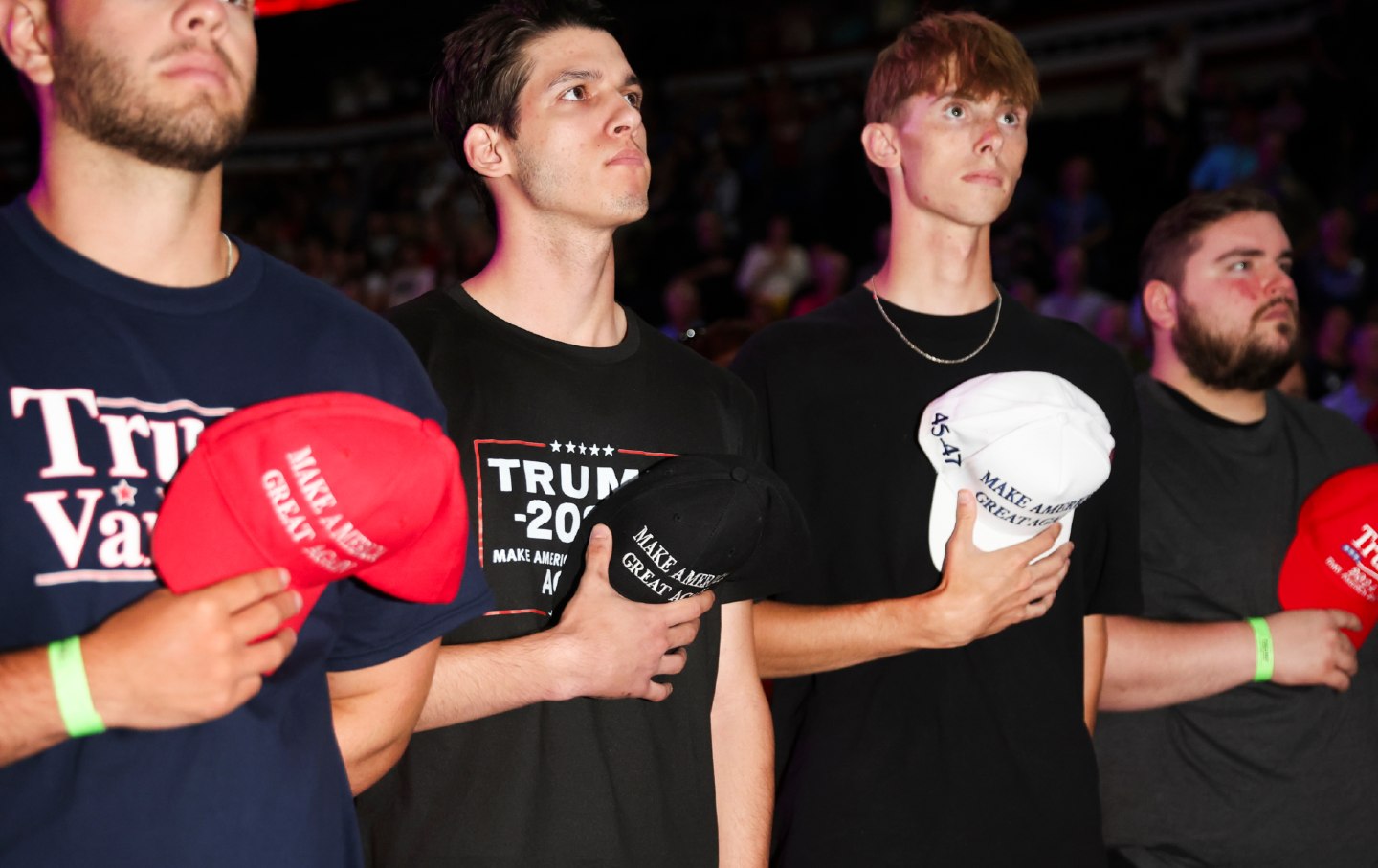
The gendered political divide is transforming how young Americans are organizing, voting, and relating to one another.
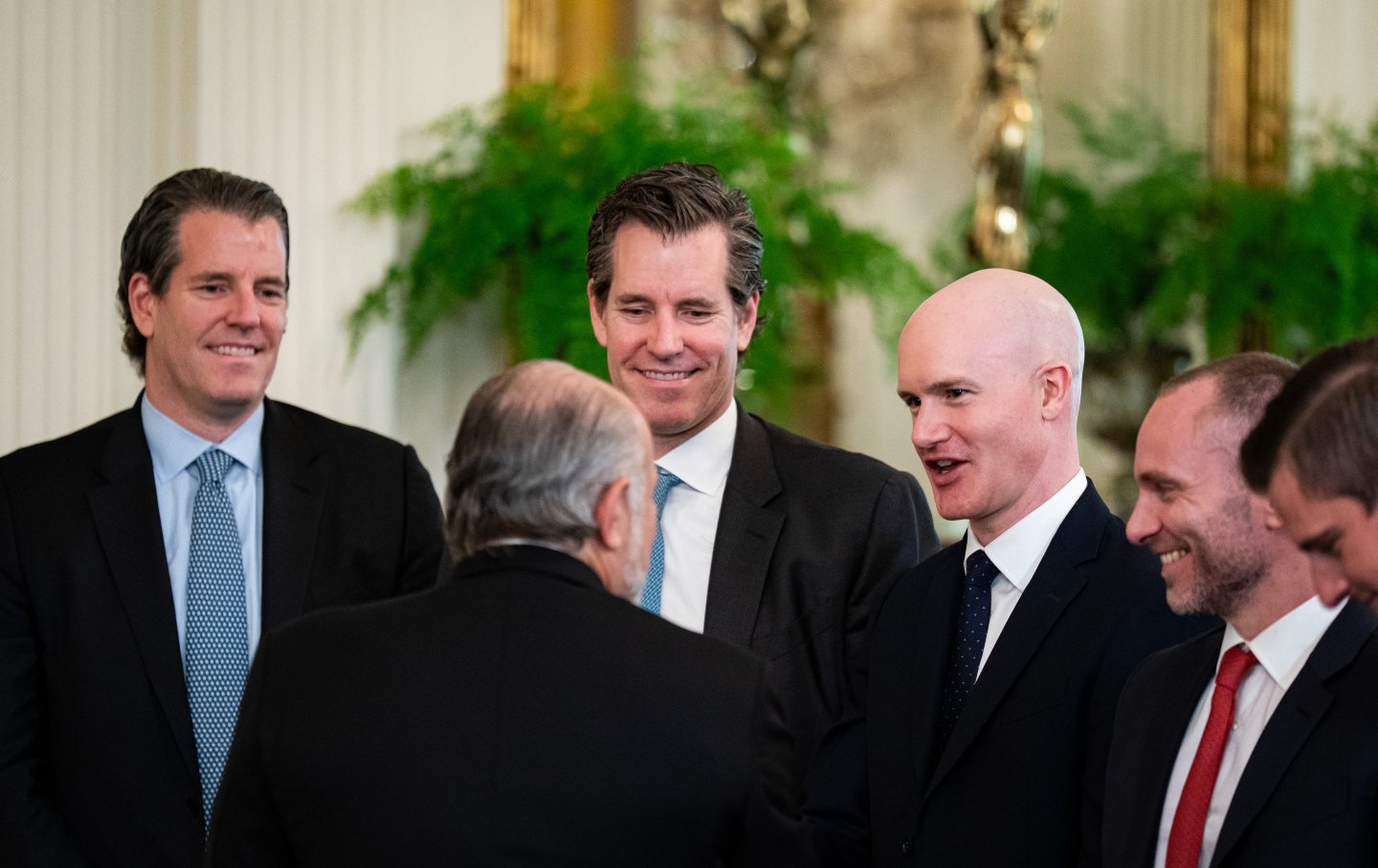
They’ve amassed more than $322 million in 2026—with much more to come.
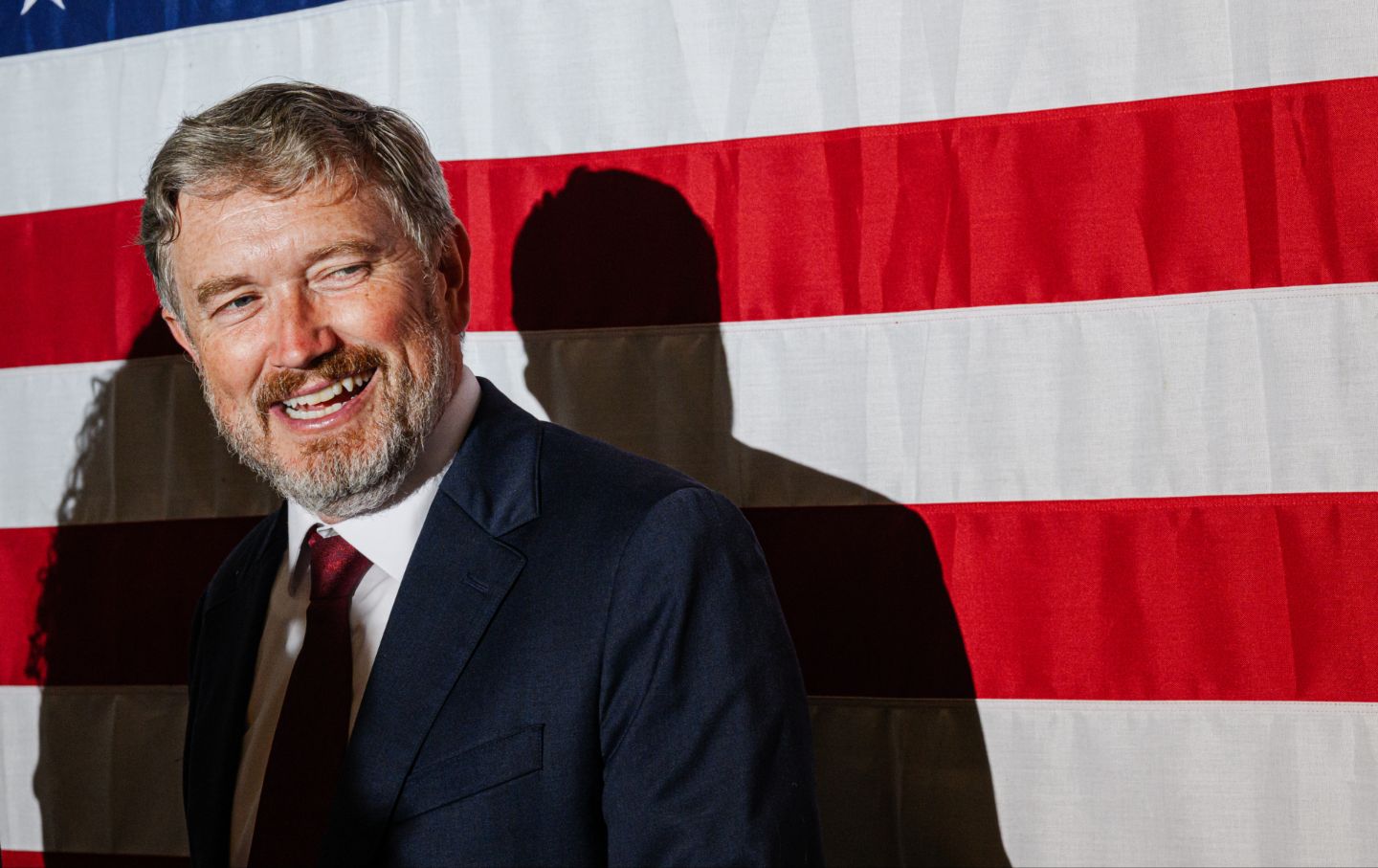
The president’s successful campaign to remove the rebel congressman has a real chance of backfiring.
Nixon and his henchmen went to great lengths to conceal their slush-money crimes. Trump and his MAGA coterie don’t have to worry about that.