
Close Menu
    Facebook X (Twitter) Instagram
    TRENDING :
    • Gen Z’s meager job prospects may not have AI to blame
    • The government just launched Trump Accounts. Here’s who gets the free $1K
    • Scientists say Elon Musk’s orbital data centers could blind Earth’s biggest telescopes
    • Are stores open on July 4? Costco, banks, USPS, Walmart, pharmacies, more on Independence Day 2026
    • Here’s how you can save 50¢ per gallon on gas this July 4 weekend
    • The designs that define America
    • The United States of Innovation: 13 Stories of American Ingenuity
    • The best and worst times to drive this July 4 weekend are here—and millions will get it wrong
    Populist Bulletin
    • Home
    • US Politics
    • World Politics
    • Economy
    • Business
    • Headline News
    Populist Bulletin
    Home»Business»The OpenAI lawsuit became a master class in what not to put in writing
    Business 4 Mins Read

    The OpenAI lawsuit became a master class in what not to put in writing

    Business 4 Mins Read
    Share Facebook Twitter Pinterest LinkedIn Tumblr Telegram Email Copy Link
    Follow Us
    Google News Flipboard
    Share
    Facebook Twitter LinkedIn Pinterest Email

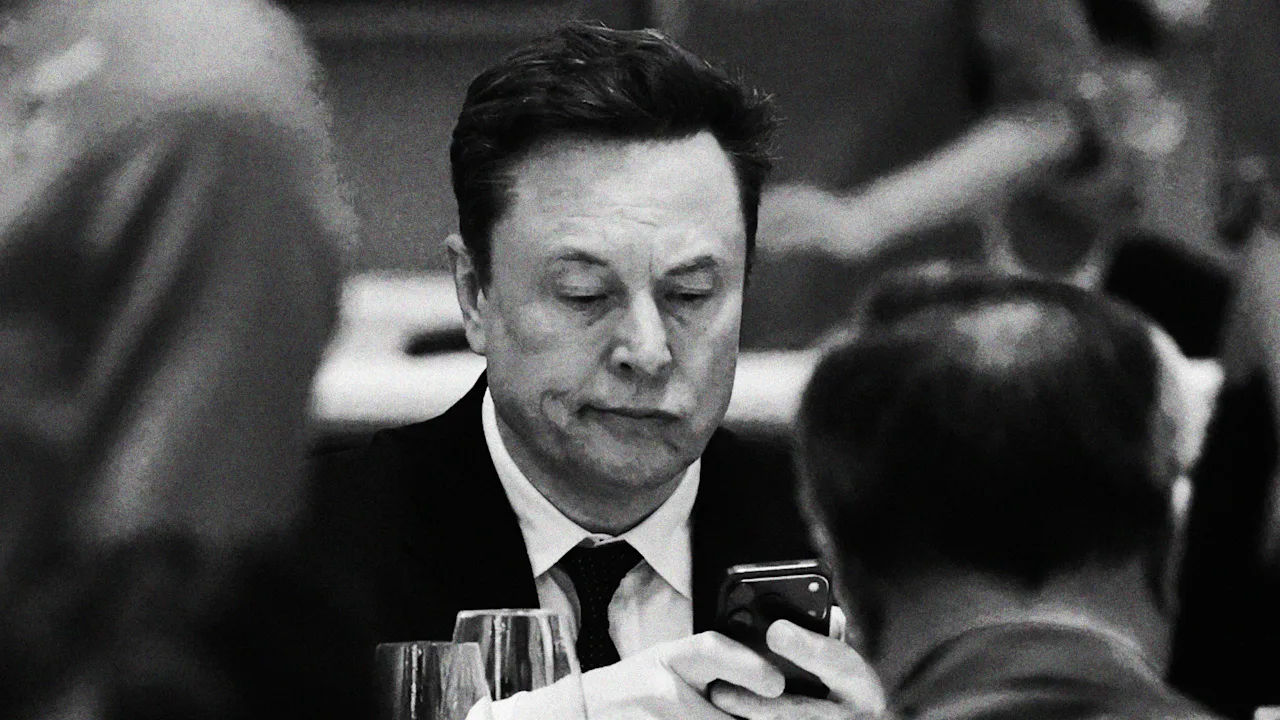
    Elon Musk’s loss in his lawsuit against Sam Altman and OpenAI, decided on Monday by a jury and upheld by a judge, wasn’t the only damaging revelation to emerge from the California courtroom. The two-week trial also punctured the carefully managed public images of some of the most prominent figures shaping AI for hundreds of millions of people.

    Whether it was Musk’s combative texts to Altman threatening to make “[Altman and Brockman] the most hated men in America” if OpenAI refused to settle, co-defendant Greg Brockman’s painfully earnest diary entries about becoming a billionaire (“Financially, what will take me to $1B?”), or Mira Murati’s anxious messages to Microsoft CEO Satya Nadella as OpenAI’s boardroom coup unraveled, executives who had spent years projecting total control were revealed to be far more human, and far messier, than they intended. (Microsoft owns a 27% stake in OpenAI.)

    The case was “a reminder that discovery can be the real trial. In this case, hundreds of emails, texts, Slack messages, and private diary entries from years back were aired publicly and often unflatteringly,” says Sarah Kreps, director of the Tech Policy Institute at Cornell University.

    For executives watching from boardrooms, and perhaps even for some sitting in the courtroom itself, the takeaway was straightforward: Nothing is ever private.

    Lawyers and HR executives have long warned against treating corporate messaging platforms as places to joke, vent, or trade sarcastic barbs. That lesson played out repeatedly during the trial. Among the central figures, Nadella largely escaped the most embarrassing disclosures, thanks in part to his reluctance to commit thoughts to writing. Documents introduced at trial showed him to be comparatively restrained and opaque, even in internal discussions over replacing (and ultimately reinstating) Altman.

    Nadella’s relative silence suggested a lesson others in the industry may have ignored: it is often safer to pick up the phone than fire off texts or emails. “You just have to assume that everything you write is going to be revealed at some point,” says Nell Minow, chair of ValueEdge Advisors and a corporate governance advocate.

    Whether the public airing of those private conversations will meaningfully change executive behavior is another question. That’s because, according to Minow, executives like Musk and Altman are shaped by a “go fast, break things, clean up the mess later” culture that does not lend itself to restraint.

    Maura R. Grossman, an e-discovery specialist and University of Waterloo professor, sees the disclosures as part of a broader shift in elite behavior. “It has somehow become acceptable for people in positions of power to say things that would never have been deemed acceptable a decade ago,” she says. Most ordinary people, she adds, understand that texts and written communications can eventually surface. The fact that so many key players in the OpenAI saga appeared unconcerned by that possibility says plenty on its own.

    Musk may still view the disclosures as a kind of Pyrrhic victory if they succeeded in publicly embarrassing his rivals. But Minow says the lesson isn’t to stop putting anything in writing at all. Excessive caution around written communication, she argues, risks undermining candid internal debate and eroding institutional memory. Without documentation, organizations lose out on a paper trail that can be useful in the event that something goes wrong within a firm, and enables observers or law enforcement to establish what went wrong and why.

    Cornell University’s Kreps argues the smarter response is not to write less, but to write with greater discipline. “Document intent, options, rationale without the snark or speculation,” she says. Otherwise, companies risk replacing accountability with verbal-only decision-making and opaque governance.


    Source link

    Share. Facebook Twitter Pinterest LinkedIn Tumblr Email

    Related Posts

    Gen Z’s meager job prospects may not have AI to blame

    July 3, 2026

    The government just launched Trump Accounts. Here’s who gets the free $1K

    July 3, 2026

    Scientists say Elon Musk’s orbital data centers could blind Earth’s biggest telescopes

    July 3, 2026
    Top News
    Business 7 Mins Read

    Best Loyalty and Rewards Programs

    Business 7 Mins Read

    In relation to loyalty and rewards programs, several stand out for their innovative approaches and…

    3 hidden taxes women pay at meetings

    March 26, 2026

    Applebee’s store closures: See an updated list of locations that a bankrupt franchisee wants to shutter

    May 6, 2026

    Anthropic’s updated Claude Design gives vibe coders—and their design overlords—more control

    June 18, 2026
    Top Trending
    Business 3 Mins Read

    Gen Z’s meager job prospects may not have AI to blame

    Business 3 Mins Read

    Gen Zers might not want to be too quick to blame AI—or…

    Business 3 Mins Read

    The government just launched Trump Accounts. Here’s who gets the free $1K

    Business 3 Mins Read

    This weekend, the Trump administration is planning to roll out one of…

    Business 4 Mins Read

    Scientists say Elon Musk’s orbital data centers could blind Earth’s biggest telescopes

    Business 4 Mins Read

    If Elon Musk has his way, stargazing could soon be impossible. Starlink,…

    Categories
    • Business
    • Economy
    • Headline News
    • Top News
    • US Politics
    • World Politics
    About us

    The Populist Bulletin was founded with a fervent commitment to inform, inspire, empower and spark meaningful conversations about the economy, business, politics, government accountability, globalization, and the preservation of American cultural heritage.

    We are devoted to delivering straightforward, unfiltered, compelling, relatable stories that resonate with the majority of the American public, while boldly challenging false mainstream narratives that seem to only serve entrenched elitists, and foreign interests.

    Top Picks

    Gen Z’s meager job prospects may not have AI to blame

    July 3, 2026

    The government just launched Trump Accounts. Here’s who gets the free $1K

    July 3, 2026

    Scientists say Elon Musk’s orbital data centers could blind Earth’s biggest telescopes

    July 3, 2026
    Categories
    • Business
    • Economy
    • Headline News
    • Top News
    • US Politics
    • World Politics
    Copyright © 2025 Populist Bulletin. All Rights Reserved.

    Type above and press Enter to search. Press Esc to cancel.