
Close Menu
    Facebook X (Twitter) Instagram
    TRENDING :
    • What Great Talent Looks Like in the AI Era
    • Ryan Silverfield Previews North Alabama Season Opener
    • How This Once-Popular Smartphone Company Is Pivoting
    • Purdue Volleyball Gears Up for New Season
    • Market Talk – August 31, 2026
    • While Losing a Real War, Pete Hegseth Is Building a Troll Army
    • How Vibe Coding Changed the Way I Run My Business (and Why Every Solopreneur Should Try It)
    • Trump Approval Ratings: Latest Polling Data
    Populist Bulletin
    • Home
    • US Politics
    • World Politics
    • Economy
    • Business
    • Headline News
    Populist Bulletin
    Home»Economy»EU Commissioner Blames Stagflation On War
    Economy 3 Mins Read

    EU Commissioner Blames Stagflation On War

    Economy 3 Mins Read
    Share Facebook Twitter Pinterest LinkedIn Tumblr Telegram Email Copy Link
    Follow Us
    Google News Flipboard
    Share
    Facebook Twitter LinkedIn Pinterest Email


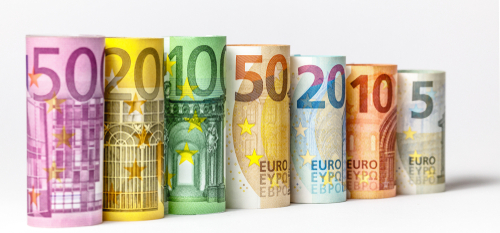
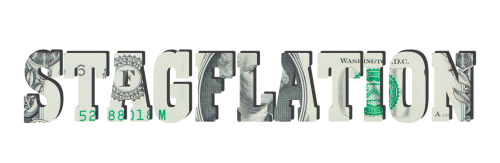
    Europe is now openly admitting it faces a stagflation shock, but this crisis did not suddenly appear because of the Iran war. The war merely accelerated a collapse that was already well underway due to years of catastrophic policy decisions. Valdis Dombrovskis, European Commissioner for Economy and Productivity, described the situation as a “stagflationary shock” as oil prices surged again on fears the conflict could drag on and destabilize energy markets further.

    I have warned repeatedly that Europe was heading into a depression long before a single missile flew in the Middle East. Germany was already in industrial decline. Manufacturing across Europe was already contracting. Energy costs had already exploded after the sanctions war against Russia. The politicians destroyed their own energy security and then pretended green energy fantasies would somehow replace reality.

    Now they act shocked that oil moving above $110 a barrel is feeding inflation again. Reuters reported that G7 borrowing costs have surged from roughly 3.2% to nearly 4% since the war began as markets fear inflation will remain entrenched. The International Energy Agency also warned global oil supply could fall short of demand by 1.78 million barrels per day this year because of the conflict.

    This is precisely how stagflation unfolds. Economic growth stalls while the cost of living continues rising. The average person gets crushed from both directions simultaneously. Wages cannot keep pace with food, fuel, transportation, and housing costs. Washington Post noted US inflation has already climbed to 3.8%, the highest since 2023, largely driven by energy prices. Europe faces even worse structural problems because its economy is far more dependent on imported energy and heavily burdened by regulation and taxation.

    The political class keeps pretending this is temporary. That is exactly what governments said during the 1970s oil crisis before stagflation spiraled into years of economic misery. The difference now is governments are entering this crisis carrying record sovereign debt levels. They cannot raise rates aggressively without detonating their own bond markets.

    The stagflation wave was already in place before the first bombs fell because governments destroyed productive economies through sanctions, climate mandates, reckless spending, and endless monetary manipulation. The Iran conflict merely exposed how fragile the global economy had already become.

    Our Economic Confidence Model has been projecting this European stagflationary collapse for years because the ECM is not merely an economic model, it tracks shifts in public confidence and capital concentration. Europe entered a declining confidence wave years ago as capital began fleeing toward the United States. The 2026 Panic Cycle targeted Europe specifically because of war risk, sovereign debt instability, and the collapse in industrial competitiveness. This is why the euro continues weakening structurally despite short-term rallies. Capital no longer trusts European leadership. Once confidence breaks, governments respond with more regulation, more taxation, more debt, and eventually capital controls, which only accelerates the decline further. That is exactly what unfolded during previous sovereign debt crises throughout history from late-stage Rome to the collapse of socialist regimes in Eastern Europe.


    Source link

    Share. Facebook Twitter Pinterest LinkedIn Tumblr Email

    Related Posts

    Market Talk – August 31, 2026

    August 31, 2026

    Has Netanyahu Undermined The US?

    August 31, 2026

    $40 Trillion In Debt And The Interest Bill Keeps Growing

    August 31, 2026
    Top News
    US Politics 12 Mins Read

    If We Want Mamdani to Beat the NYPD, the Left Must Build Power

    US Politics 12 Mins Read

    In cities across America, a new generation of left-wing mayors is confronting the same dilemma:…

    SEND IN THE US MARSHALS: Maricopa County Attempting to Illegally Delete Records Ahead of Potential DOJ Investigations | The Gateway Pundit

    September 2, 2025

    Trump Mobile’s golden phone delayed despite promises

    January 6, 2026

    This driverless Chinese mining truck is giant, agile, and shows the industrial future of AI

    May 6, 2026
    Top Trending
    Business 6 Mins Read

    What Great Talent Looks Like in the AI Era

    Business 6 Mins Read

    Opinions expressed by Entrepreneur contributors are their own. Key Takeaways As AI…

    World Politics 1 Min Read

    Ryan Silverfield Previews North Alabama Season Opener

    World Politics 1 Min Read

    North Alabama football head coach Ryan Silverfield is preparing his team for…

    Business 4 Mins Read

    How This Once-Popular Smartphone Company Is Pivoting

    Business 4 Mins Read

    Key Takeaways BlackBerry barely kept itself afloat after the launch of the…

    Categories
    • Business
    • Economy
    • Headline News
    • Top News
    • US Politics
    • World Politics
    About us

    The Populist Bulletin was founded with a fervent commitment to inform, inspire, empower and spark meaningful conversations about the economy, business, politics, government accountability, globalization, and the preservation of American cultural heritage.

    We are devoted to delivering straightforward, unfiltered, compelling, relatable stories that resonate with the majority of the American public, while boldly challenging false mainstream narratives that seem to only serve entrenched elitists, and foreign interests.

    Top Picks

    What Great Talent Looks Like in the AI Era

    August 31, 2026

    Ryan Silverfield Previews North Alabama Season Opener

    August 31, 2026

    How This Once-Popular Smartphone Company Is Pivoting

    August 31, 2026
    Categories
    • Business
    • Economy
    • Headline News
    • Top News
    • US Politics
    • World Politics
    Copyright © 2025 Populist Bulletin. All Rights Reserved.

    Type above and press Enter to search. Press Esc to cancel.