
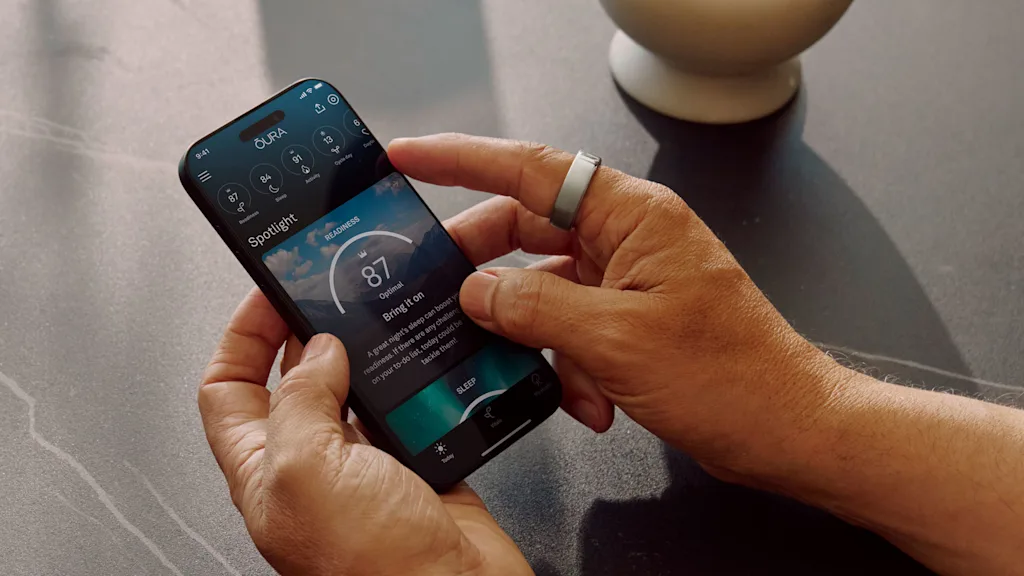
While smartwatches have spent the last decade fighting for our attention with buzzing notifications and glowing screens, a quieter revolution has been moving down to our fingers.
Yes, the smart ring market has matured from a niche experimental category into a legitimate hardware battleground where the stakes involve more than just step counts.
For anyone looking to track their health without (or while) strapping a small computer to their arm, the landscape is now crowded with options that balance high-end aesthetics with serious sensor arrays.
Here are some to check out.
Oura Ring 4 ($349 + $6/month)
The Oura Ring 4 remains the undisputed heavyweight champion of the category, serving as the benchmark against which every other ring is measured.
It starts at $349 and offers what’s arguably the most polished software experience in the business, focusing heavily on recovery and metabolic health through its revamped AI-driven insights.
However, there’s a catch that’s become a point of contention for many users: a mandatory $5.99 monthly subscription to see anything beyond basic data.
For Oura, the hardware is just the vessel for a recurring revenue model that emphasizes long-term wellness.
Samsung Galaxy Ring ($399)
Samsung has taken a different path with the Galaxy Ring, positioning it as the ultimate companion for those already living within the Android ecosystem.
Priced slightly higher than the Oura at $399, it distinguishes itself by eschewing the subscription model, meaning the price you pay at the register is the end of it.
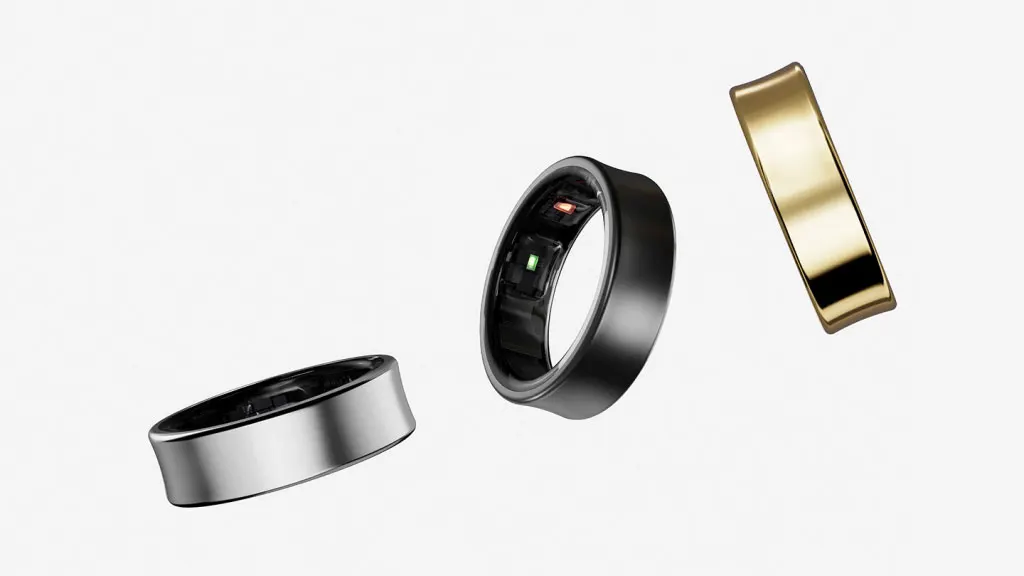
Beyond its scratch-resistant titanium frame and lack of a subscription fee, the Galaxy Ring leans heavily into “Double Pinch” gesture controls that let you dismiss alarms or snap a phone photo with a simple tap of your fingers.
The functional catch is Samsung’s walled garden. To get the full suite of features, including the advanced Energy Score—which synthesizes your sleep, activity, and heart rate variability into a single readiness metric—you really need to be paired with a Samsung handset, making it a brilliant piece of hardware that’s tethered to a specific brand of software.
Ultrahuman Ring AIR ($349)
For the crowd that looks at a heart rate graph and wishes they had more raw data, the Ultrahuman Ring AIR is the specialized tool of choice.
Starting at $349 with no recurring fees, Ultrahuman leans into the “quantified self” movement by focusing on circadian rhythm alignment and metabolic tracking.
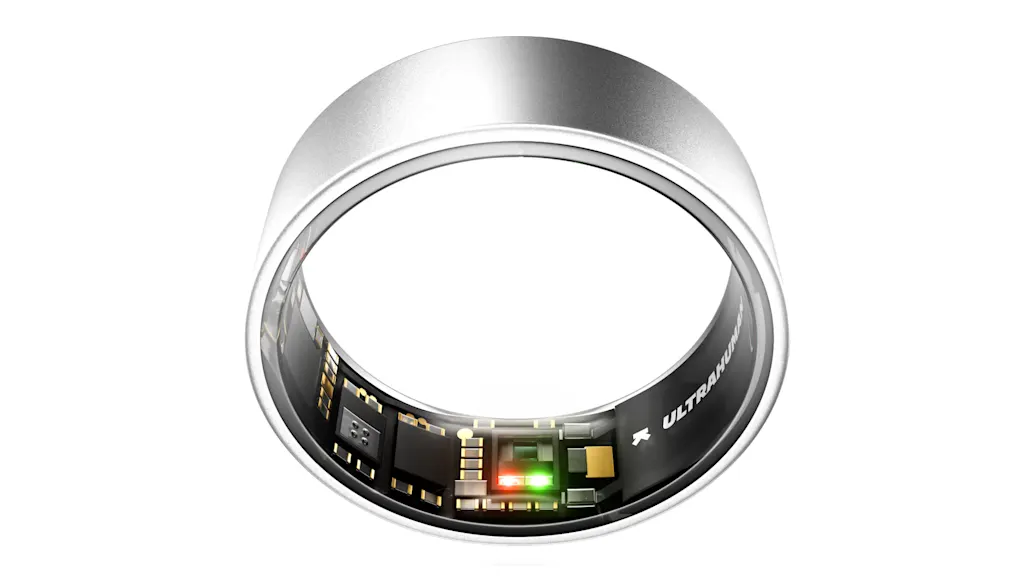
It’s designed to play well with other biohacking tools, like continuous glucose monitors, providing a level of depth regarding how caffeine or late-night meals affect your recovery that other rings tend to gloss over.
It’s less a general lifestyle accessory and more a dedicated instrument for those who want to treat their body like a high-performance machine.
RingConn Gen 2 Air ($199)
The market disruptor in this space is undoubtedly the RingConn Gen 2 Air, which makes a compelling case for being the most practical choice for the average person.
With a starting price of $199 and no subscription requirements, it undercuts the major players while offering a battery life that stretches to a full 10 days.
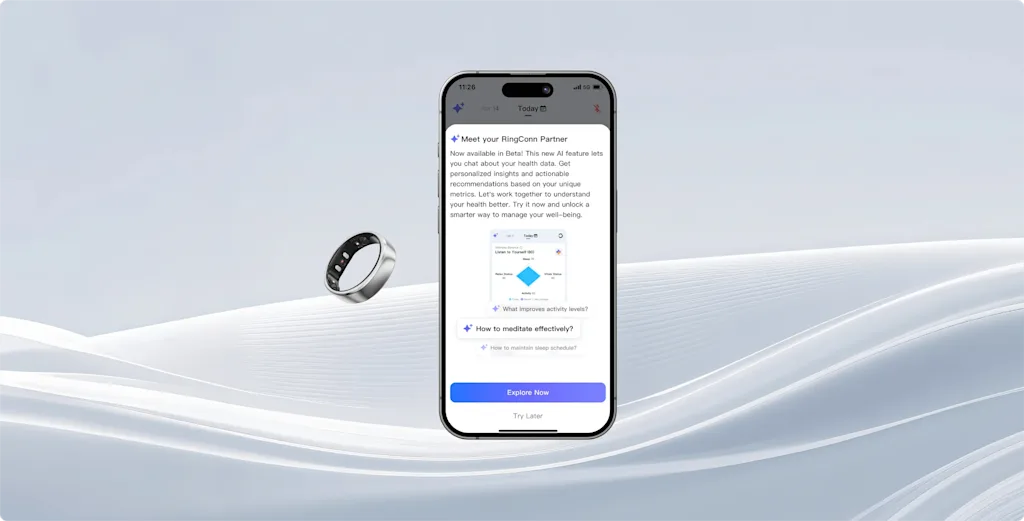
Its “squircle” shape isn’t just a design quirk, but an ergonomic choice that prevents the ring from spinning on your finger, ensuring the sensors stay aligned with your skin.
While it lacks the brand recognition of Oura or Samsung, as a pure value proposition it manages to pack advanced sleep and heart rate monitoring into a frame that feels significantly lighter than its competitors.
Amazfit Helio Ring ($149)
Finally, the Amazfit Helio Ring carved out its own niche by targeting athletes who don’t want to choose between a ring and a watch.
At $149, it’s the most affordable entry point into the premium ring space and is specifically designed to sync with Amazfit’s existing line of fitness watches.
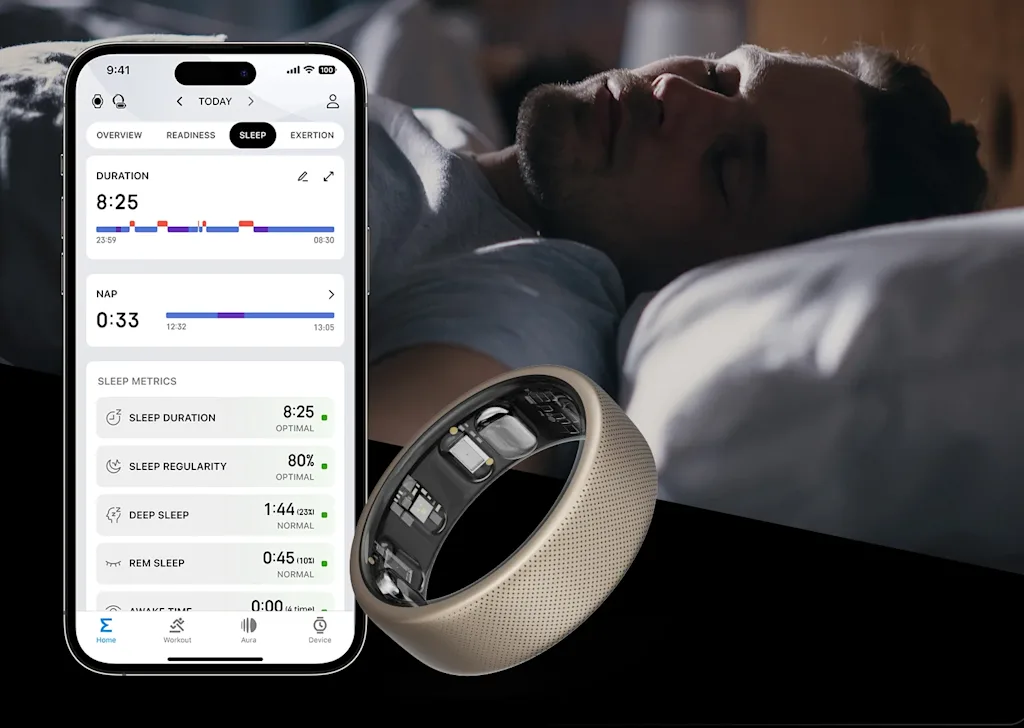
While it can function on its own, it excels when used as a recovery-focused companion piece, filling in the data gaps during the hours when an athlete might take off his or her bulky GPS watch to sleep.
It proves that the future of wearables might not be about finding the one device that does everything, but rather about building a subtle network of sensors that disappear into our daily lives.