
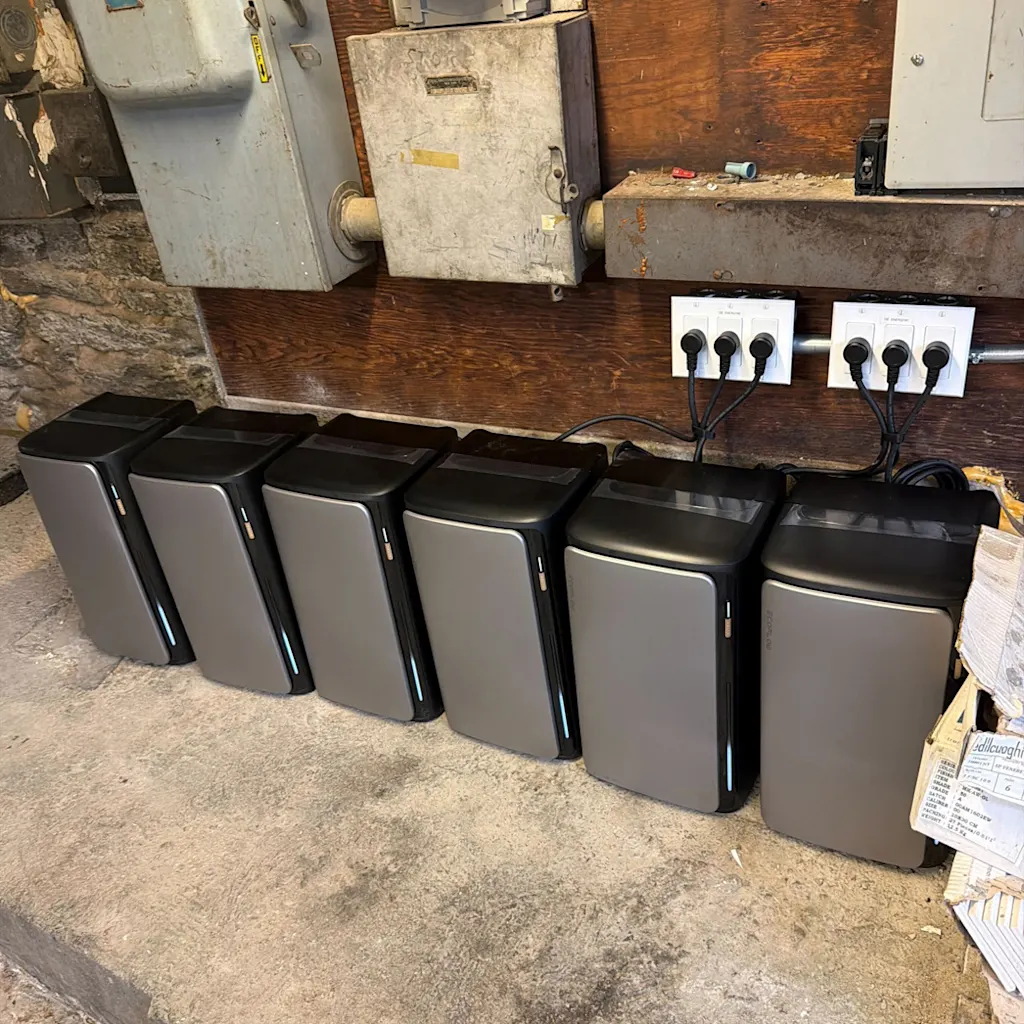
In the basement of an Emack & Bolio’s ice cream shop in Midtown Manhattan, six batteries—each about the size of a toaster oven stood on its side—are plugged into the wall, connected right to the breaker box.
Those batteries will charge during off-peak electricity times, when power is cheap. When energy demand increases and power prices go up, the batteries will discharge, keeping the freezers running and lights on while cutting the business’s utility costs.
The batteries are from David Energy, a New York City-based startup energy provider. David Energy provides batteries to businesses for free, and then uses its software platform to manage when they draw and discharge power.
It’s a unique solution that has the potential to lower businesses’ electricity bills while also easing overall demand on the power grid, which makes it more reliable for everyone.
An aging grid increases costs
David Energy’s ultimate mission is to have a power grid that runs 100% on clean energy, but especially in a city like New York, not every building, business owner, or tenant can access solar power directly.
In the meantime, plug-in batteries—which can connect to a standard wall outlet and don’t require any electrical work to get up and running—can be an easy, low-lift solution to reduce energy demand and decarbonize a business’s operations.
“The grid is aging, and a big reason why [utility] bills are going up is the infrastructure itself,” says David Energy cofounder and CEO James McGinniss. “More than half of most of our customers’ bills is just the cost of delivering the power, and we want the grid to continue to be reliable while still being affordable.”
Over the last five years, electricity costs in New York have gone up nearly 37%, according to the Chamber of Commerce. For business owners who have felt that squeeze, David Energy promises at least a little relief.
“We promise a customer that we will charge them less than what they would have paid the utility had we not been their supplier, as long as we can install on-site, plug-in batteries,” McGinniss says. “That value proposition to the customer is ultimately saving money on their power bills.”
The company says it’s consistently delivering about 5% savings to customers, though that can vary based on power demand. Depending on the size of the storefronts, and how many locations a business has, that could mean hundreds to thousands of dollars off their electricity bills annually.
Easing strain on the power grid
Emack & Bolio’s only received the batteries a few weeks ago, and so hasn’t been able to track savings yet. But owner Neil Glaser is excited about the potential savings, especially in the summer.
Glaser also likes the climate benefit. He also owns a Brooklyn location of the ice cream chain that has solar panels, but the Manhattan location lacked enough sunlight to make that tech viable.
“We’re very green oriented, and always have been,” he says. “We’re always looking at ways to draw less from the grid and cut our energy costs, because we have freezers running 24/7.”
Before being contacted by David Energy, Glaser hadn’t known personal plug-in batteries were an option. New York City fire and building codes prevent small buildings from having their own solar batteries, like a Tesla Powerwall, but plug-in batteries skirt those complexities.
Plug-in batteries only power the store directly; they aren’t large enough to export power to the grid. But they can still provide broad grid benefits.
When demand peaks, particularly during hot summer days, utility provider Con Edison often asks customers to lighten their electricity use and turn off appliances to ease the strain on the grid.
If businesses can shift their power needs to plug-in batteries, that means less of a chance for a blackout—which is always a big concern for an ice cream store, Glaser notes.
The potential of plug-in batteries and solar
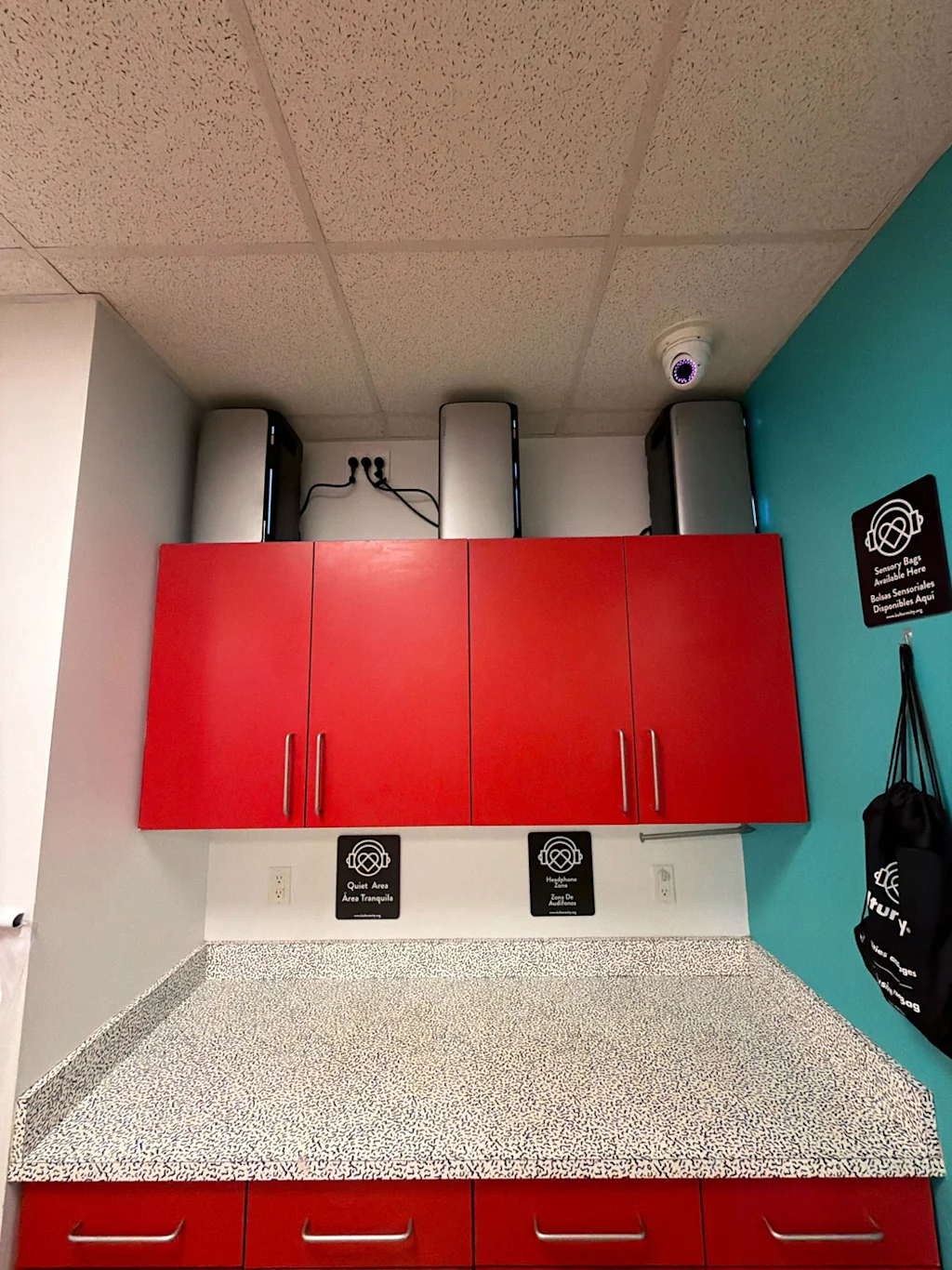
David Energy’s small batteries fit easily into cramped New York City retail spaces. And again, because they just plug into the wall, there’s no landlord approval needed. If a business closes or moves, the startup can collect the battery and install it somewhere else.
The battery program launched in December 2025, and already David Energy has more than 1,000 batteries (representing more than 2,000 kilowatt hours of power) contracted with customers, with hundreds already installed and connected.
Those batteries are dispersed among more than 80 customers (many of which have multiple batteries on site) spanning all sorts of retail businesses—restaurants, gyms, coffee shops, spas, and soon, laundromats. Big chains like Domino’s, Beard Papa’s, and Barry’s, and local ones like Black Seed Bagels, are among David Energy’s customers.
In the future, David Energy hopes to provide solar to customers as well, but McGinniss is still excited about the potential of plug-in batteries alone. They’re a somewhat new technology, particularly to the United States.
McGinniss learned about them from Germany, which started rolling out both plug-in batteries and plug-in solar—also called balcony solar, a similar tech that is gaining support across the country—after the 2022 Russian invasion of Ukraine.
“Access to solar and batteries is just growing exponentially because of this new plug-in form factor,” he says.
The plug-in phenomenon that has gained traction across Europe is starting to come stateside, he adds, “where people are turning to this really novel, new class of technologies to say, ‘my bills are getting out of control and [this is] really simple to use.’ And we’re helping lead the charge there.”