
Close Menu
    Facebook X (Twitter) Instagram
    TRENDING :
    • Embattled Nvidia stock is leading a market rebound today: Why AI tech shares are back on the rise
    • MARA Holdings Stock: Bitcoin Miner Makes Moves Across Canada
    • Henry Kissinger’s Reputational Management | The Nation
    • The conversation you’re avoiding is already costing you
    • Phillies Buzz: Sato, Olivar and Skubal Make Headlines
    • The Right Has Stopped Pretending to Care About Meritocracy and Is Openly Embracing Racism
    • What if Trump’s arch became a reflecting pool instead?
    • Carney Roasts Trump, Brings Out Impersonator in Viral Video
    Populist Bulletin
    • Home
    • US Politics
    • World Politics
    • Economy
    • Business
    • Headline News
    Populist Bulletin
    Home»Economy»Used EV Market Exposes The Cracks
    Economy 3 Mins Read

    Used EV Market Exposes The Cracks

    Economy 3 Mins Read
    Share Facebook Twitter Pinterest LinkedIn Tumblr Telegram Email Copy Link
    Follow Us
    Google News Flipboard
    Share
    Facebook Twitter LinkedIn Pinterest Email


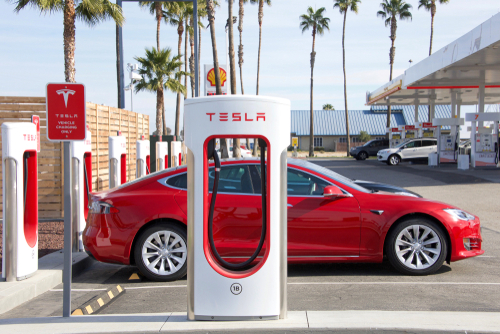
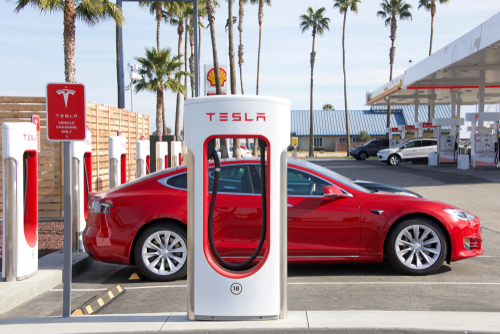
    Reports indicate that a wave of used EVs is beginning to hit the market as leases expire, forcing automakers to rethink how they handle pricing and inventory. What was once sold as the inevitable future is now a dud cause with minimal demand. When those vehicles return to the secondary market, they must compete on price, performance, and practicality, not ideology. That is where the cracks begin to show.

    This ties directly into what I have warned about with government attempts to force economic outcomes through policy. The Biden administration pushed aggressively toward electrification under the banner of climate policy and Net Zero, but this was never purely about the environment. It was about directing capital, restructuring industry, and attempting to control long-term consumption patterns. The problem is that markets do not respond to mandates the way politicians expect.

    Nearly 4,000 US car dealers warned the Biden Administration that consumer demand would not keep pace with supply. You cannot force consumers into a product they are not ready to adopt, especially in an environment where the cost of living is already rising.

    Electric vehicles still account for only about 7–8% of total US vehicle sales, yet federal policy aimed to push that figure toward 50% or more by 2032 through emissions rules that effectively function as mandates. At the same time, EVs remain significantly more expensive, with average transaction prices roughly $8,000 higher than comparable gas vehicles.

    Government attempted to accelerate this transition through incentives and mandates. The Inflation Reduction Act introduced tax credits of up to $7,500 per vehicle, effectively subsidizing purchases to stimulate demand. Meanwhile, federal policy called for the entire government fleet to transition to zero-emission vehicles by 2035, impacting hundreds of thousands of vehicles.

    You can already see the early signs of that correction in the used EV market. As more vehicles come off lease, prices are under pressure because supply is increasing faster than demand. Automakers are now adjusting strategies, trying to manage resale values and prevent a collapse in pricing. This is the same pattern we have seen in other sectors. When supply is artificially expanded through policy, it eventually overwhelms real demand.

    The used car market in general is far beneath the levels witnessed in 2022. EVs are far more difficult to offload. Industry estimates show that more than 300,000 electric vehicles will come off lease in 2026 alone, with projections rising toward 500,000 or more as we move into 2027. This is a surge of supply that the market must absorb whether demand is ready or not.

    New EV sales have already dropped 28% year-over-year in early 2026, while used EV sales have risen 12%, reaching nearly 93,500 units in a single quarter. Pricing confirms that shift. Used EV prices have fallen dramatically, in some cases dropping as much as 40% over the past year, and are now within roughly $1,300 of comparable gasoline vehicles. That is a market adjusting to oversupply. When prices fall that quickly, it reflects a mismatch between production and real demand.

    Cost, convenience, infrastructure, and reliability all matter more than political objectives. The government will always fail when it attempts to artificially stimulate demand.


    Source link

    Share. Facebook Twitter Pinterest LinkedIn Tumblr Email

    Related Posts

    The End Of The British Pound?

    November 23, 2026

    South Korea’s $1 Trillion Export Phenomenon

    November 23, 2026

    Greta Thunberg Laughs At The Climate Movement She Helped Create

    November 23, 2026
    Top News
    Business 3 Mins Read

    ‘Woke is back’ on social media following Mamdani victory

    Business 3 Mins Read

    New York City has elected a democratic socialist as its next mayor. Across the internet,…

    7 Essential Tips for Effective Office Design and Space Planning

    June 28, 2026

    The Unwinnable Iran War | Armstrong Economics

    August 8, 2026

    Iran – The Great Global Mess

    April 22, 2026
    Top Trending
    Business 4 Mins Read

    Embattled Nvidia stock is leading a market rebound today: Why AI tech shares are back on the rise

    Business 4 Mins Read

    Last week was one of the worst weeks for stock markets in…

    World Politics 1 Min Read

    MARA Holdings Stock: Bitcoin Miner Makes Moves Across Canada

    World Politics 1 Min Read

    MARA Holdings, one of the largest publicly traded bitcoin miners, is drawing…

    US Politics 13 Mins Read

    Henry Kissinger’s Reputational Management | The Nation

    US Politics 13 Mins Read

    Politics / November 23, 2026 Barbara J. Keys’s new book, Super K,…

    Categories
    • Business
    • Economy
    • Headline News
    • Top News
    • US Politics
    • World Politics
    About us

    The Populist Bulletin was founded with a fervent commitment to inform, inspire, empower and spark meaningful conversations about the economy, business, politics, government accountability, globalization, and the preservation of American cultural heritage.

    We are devoted to delivering straightforward, unfiltered, compelling, relatable stories that resonate with the majority of the American public, while boldly challenging false mainstream narratives that seem to only serve entrenched elitists, and foreign interests.

    Top Picks

    Embattled Nvidia stock is leading a market rebound today: Why AI tech shares are back on the rise

    November 23, 2026

    MARA Holdings Stock: Bitcoin Miner Makes Moves Across Canada

    November 23, 2026

    Henry Kissinger’s Reputational Management | The Nation

    November 23, 2026
    Categories
    • Business
    • Economy
    • Headline News
    • Top News
    • US Politics
    • World Politics
    Copyright © 2025 Populist Bulletin. All Rights Reserved.

    Type above and press Enter to search. Press Esc to cancel.