
Close Menu
    Facebook X (Twitter) Instagram
    TRENDING :
    • Anthropic’s IPO march began with a Claude Code breakthrough
    • AI has an unexpected side effect: It could make high-paying jobs less hostile to women
    • As the U.S. faces a worsening shortage of care for the elderly, can robots fill the gap?
    • Panera Bread store closures: See a list of shuttered locations as the fast-casual chain charts 2026 growth
    • The Fed’s Real Stress Test
    • Why smart leaders lose it during meetings
    • America’s Fruit Has Become A Social Experiment
    • The DOJ used Palantir to build an app to help find criminals—and then shut it down
    Populist Bulletin
    • Home
    • US Politics
    • World Politics
    • Economy
    • Business
    • Headline News
    Populist Bulletin
    Home»Economy»Historians Will Say World War III Already Began
    Economy 3 Mins Read

    Historians Will Say World War III Already Began

    Economy 3 Mins Read
    Share Facebook Twitter Pinterest LinkedIn Tumblr Telegram Email Copy Link
    Follow Us
    Google News Flipboard
    Share
    Facebook Twitter LinkedIn Pinterest Email


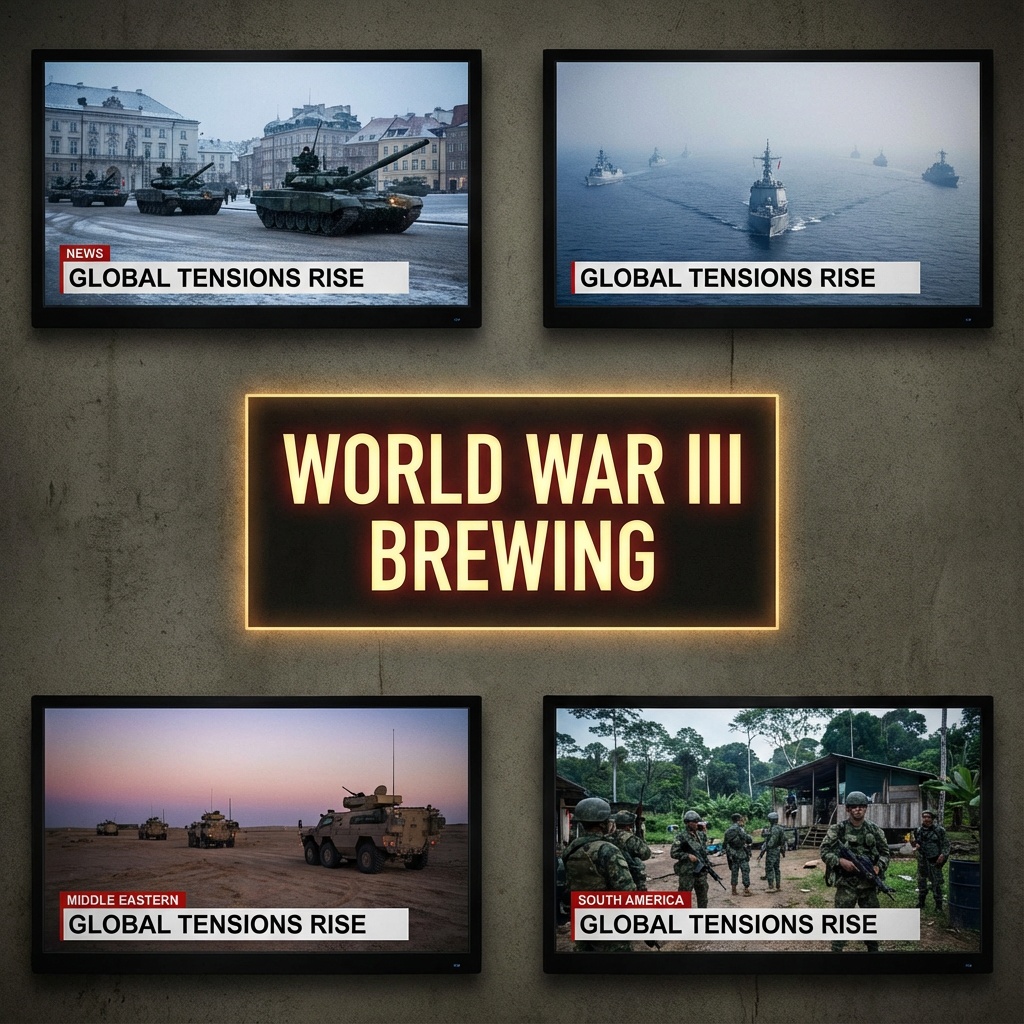
    WWIII Brewing


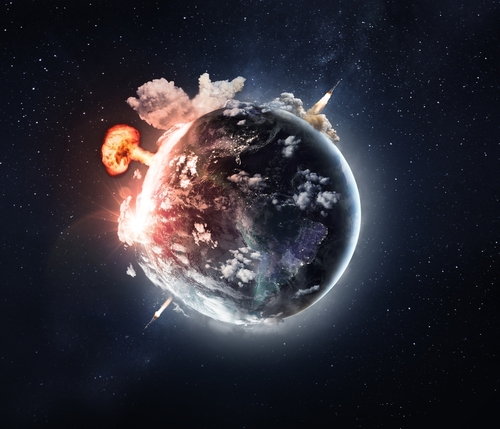
    For years, the press has insisted that every conflict must be viewed in isolation: Ukraine is separate from the Middle East, China is separate from Russia, and Iran is simply another regional crisis. But history rarely works that way. When historians look back at major wars, they rarely begin them on the date politicians announce them. World War I did not suddenly begin with a single shot in Sarajevo, and World War II was not simply the invasion of Poland. The causes were decades in the making. The uncomfortable reality is that when historians eventually write about this period, many will likely conclude that what we are witnessing today is the early phases of a world war.

    One of the greatest mistakes made after the Cold War was the assumption that the ideological struggle had been permanently resolved. The collapse of the Soviet Union was treated as a final victory rather than the end of a phase. Yet no durable geopolitical framework was created to integrate the defeated power structure into a stable international system. After World War II, the United States and its allies invested enormous resources into rebuilding Europe and Japan through the Marshall Plan and establishing institutions such as the United Nations and the Bretton Woods financial order. Those efforts created stability and prevented the reemergence of the same ideological conflict that produced two world wars. After the Cold War, nothing comparable was built.
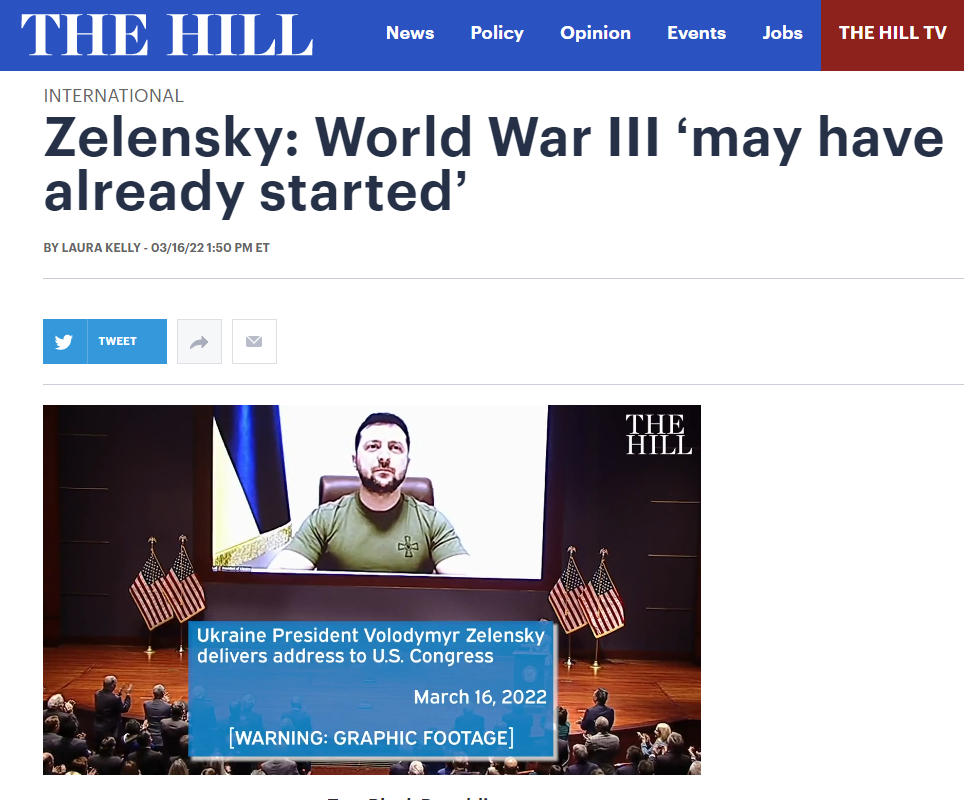
    Zelensky_World_War_III_may_have_already_started 2China.Russia.Putin_.Xi_

    Instead, Russia and other former Soviet states were left to endure economic collapse, political humiliation, and social chaos during the 1990s. Entire populations watched their national power evaporate while Western institutions expanded eastward. Whether one agrees with the political narratives or not is irrelevant. What matters historically is that unresolved tensions remained. Just as the Treaty of Versailles failed to resolve the deeper contradictions after World War I, the end of the Cold War left grievances that continued to grow beneath the surface.

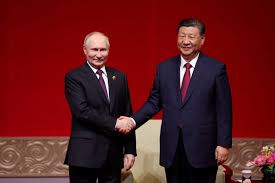
    Now those unresolved tensions are resurfacing simultaneously across multiple regions. Russia is locked in confrontation with the West in Ukraine. China is challenging the global economic and military balance in the Pacific. The Middle East is once again erupting, with Iran increasingly aligned with Russia and China as geopolitical pressure mounts. These are not isolated events. They are overlapping theaters of strategic competition that increasingly resemble the early stages of great-power conflict.
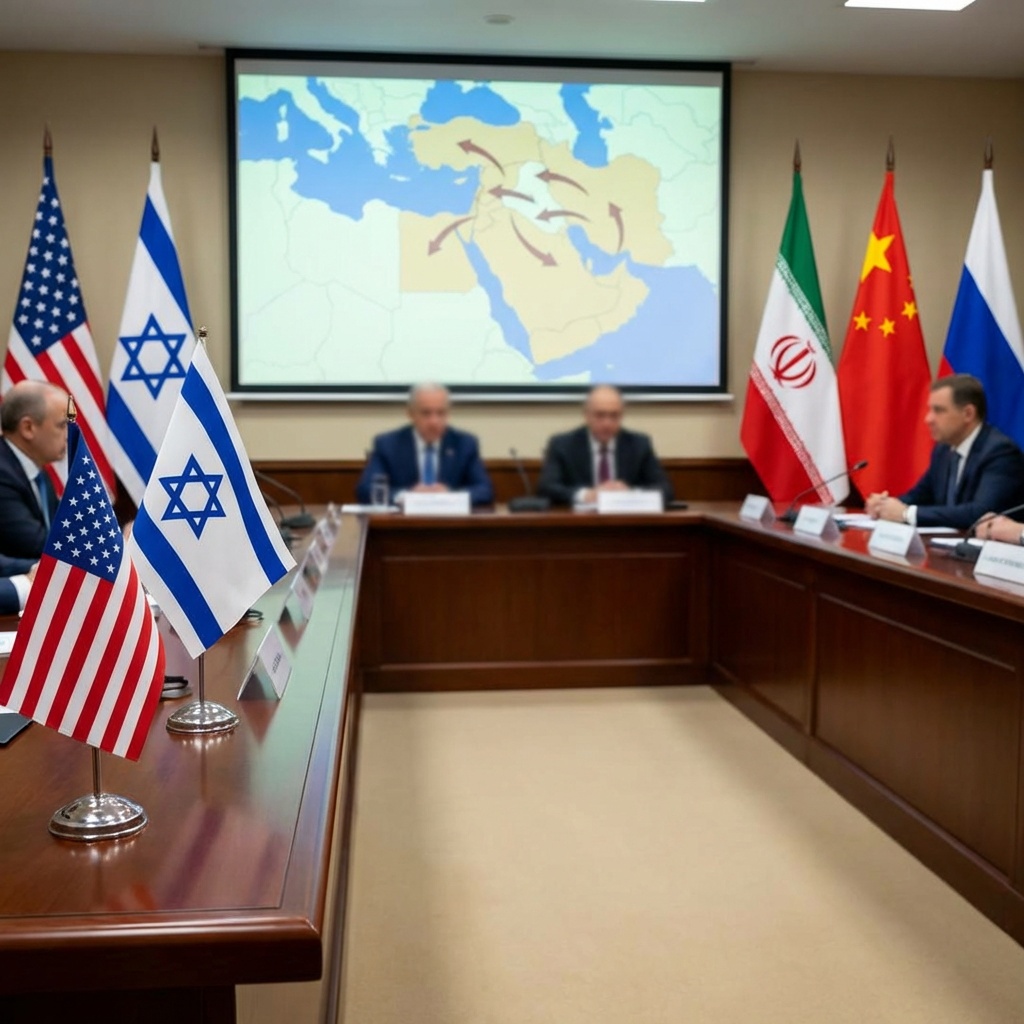
    US Israel vs Iran China RussiaThe_Neocon_Coup_of_Europe 2 28 25

    The Economic Confidence Model has long projected that the period around 2026 would mark a geopolitical turning point. That does not mean a sudden global war declared overnight. Historically, major conflicts emerge through a series of regional crises that gradually merge into a broader struggle. The Panic Cycle expected in 2027, and the larger turning point into 2028, suggest rising volatility and confrontation across multiple fronts. What we are seeing today fits that pattern perfectly. If history is any guide, future historians may not mark the beginning of the next world war with a single event. They may instead look back and say the war had already begun during this decade but we simply failed to recognize it at the time.
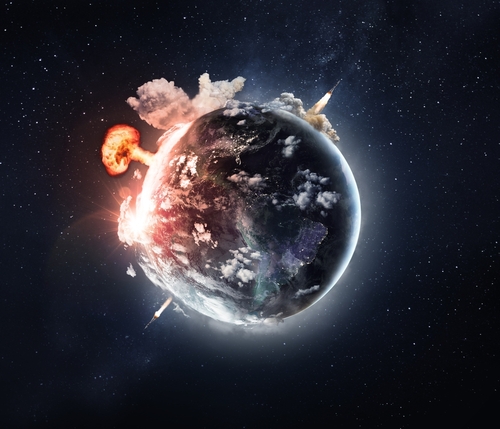
    World Nuclear War 1


    Source link

    Share. Facebook Twitter Pinterest LinkedIn Tumblr Email

    Related Posts

    The Fed’s Real Stress Test

    June 2, 2026

    America’s Fruit Has Become A Social Experiment

    June 2, 2026

    Google’s Debug Project — When Silicon Valley Starts Releasing Insects

    June 2, 2026
    Top News
    World Politics 2 Mins Read

    Aimlessly Drifting Democrats Launch Ads Criticizing Republicans for Government Shutdown | The Gateway Pundit

    World Politics 2 Mins Read

    In a typical fashion, the Democrats are blaming Republicans for the government shutdown even though…

    What is Skylight? Here’s what you need to know about the TikTok alternative

    November 1, 2025

    OpenAI is clapping back at Google’s Gemini 3 with a new GPT-5.2

    December 11, 2025

    Sportsman’s Warehouse may close stores after identifying a list of underperforming locations

    March 5, 2026
    Top Trending
    Business 5 Mins Read

    Anthropic’s IPO march began with a Claude Code breakthrough

    Business 5 Mins Read

    Last fall, Anthropic was playing second fiddle to OpenAI. It had a…

    Business 7 Mins Read

    AI has an unexpected side effect: It could make high-paying jobs less hostile to women

    Business 7 Mins Read

    The conversation about AI and work revolves mostly around jobs being destroyed…

    Business 5 Mins Read

    As the U.S. faces a worsening shortage of care for the elderly, can robots fill the gap?

    Business 5 Mins Read

    After outliving Booker T. Bones, their second service dog, Brenda and Brian…

    Categories
    • Business
    • Economy
    • Headline News
    • Top News
    • US Politics
    • World Politics
    About us

    The Populist Bulletin was founded with a fervent commitment to inform, inspire, empower and spark meaningful conversations about the economy, business, politics, government accountability, globalization, and the preservation of American cultural heritage.

    We are devoted to delivering straightforward, unfiltered, compelling, relatable stories that resonate with the majority of the American public, while boldly challenging false mainstream narratives that seem to only serve entrenched elitists, and foreign interests.

    Top Picks

    Anthropic’s IPO march began with a Claude Code breakthrough

    June 2, 2026

    AI has an unexpected side effect: It could make high-paying jobs less hostile to women

    June 2, 2026

    As the U.S. faces a worsening shortage of care for the elderly, can robots fill the gap?

    June 2, 2026
    Categories
    • Business
    • Economy
    • Headline News
    • Top News
    • US Politics
    • World Politics
    Copyright © 2025 Populist Bulletin. All Rights Reserved.

    Type above and press Enter to search. Press Esc to cancel.