


Close Menu
    Facebook X (Twitter) Instagram
    TRENDING :
    • 7 Sample Performance Reviews to Guide Evaluations
    • Patrick Mahomes Injury Update as Chiefs Drop Second Straight
    • 7 Essential Tips for Industrial Equipment Maintenance
    • Raleigh-Durham News Roundup: Latest From ABC11 WTVD
    • Key Pricing Structures for Personalized Demo Software Vendors
    • Amundi Posts Q3 2026 Results – Earnings Call Now Live
    • Nine Killed as Learjet Crashes in Florida Neighborhood
    • 10 Best Sales Engagement Platforms to Boost Sales Strategy
    Populist Bulletin
    • Home
    • US Politics
    • World Politics
    • Economy
    • Business
    • Headline News
    Populist Bulletin
    Home»Economy»The Fantasy of “Short-Term” War
    Economy 3 Mins Read

    The Fantasy of “Short-Term” War

    Economy 3 Mins Read
    Share Facebook Twitter Pinterest LinkedIn Tumblr Telegram Email Copy Link
    Follow Us
    Google News Flipboard
    Share
    Facebook Twitter LinkedIn Pinterest Email


    One of the most dangerous illusions in Washington is the belief that war and energy shocks are temporary. Politicians always assume that prices will spike briefly and then return to normal as if the world economy operates like a thermostat that can simply be turned down once the crisis passes. History shows the opposite. Wars, especially those centered around energy chokepoints, rarely produce transitory economic consequences.

    Treasury Secretary Scott Bessent recently tried to calm markets by claiming that crude markets remain stable, insisting that “the crude markets are very well supplied” and pointing to “hundreds of millions of barrels on the water away from the Gulf.” He has also suggested that Washington could simply release additional Russian oil from sanctions if needed to increase supply. This thinking reflects the typical Washington view that governments can manage the global energy market with policy tweaks.

    At the same time, the administration issued a temporary waiver allowing India to purchase Russian crude in order to ease global supply pressure created by the Iran conflict. Bessent described the measure as a stop-gap that would “alleviate pressure” on oil markets while the crisis unfolds. The logic from Washington is straightforward: increase supply temporarily, calm the markets, and assume prices will fall once the conflict subsides.
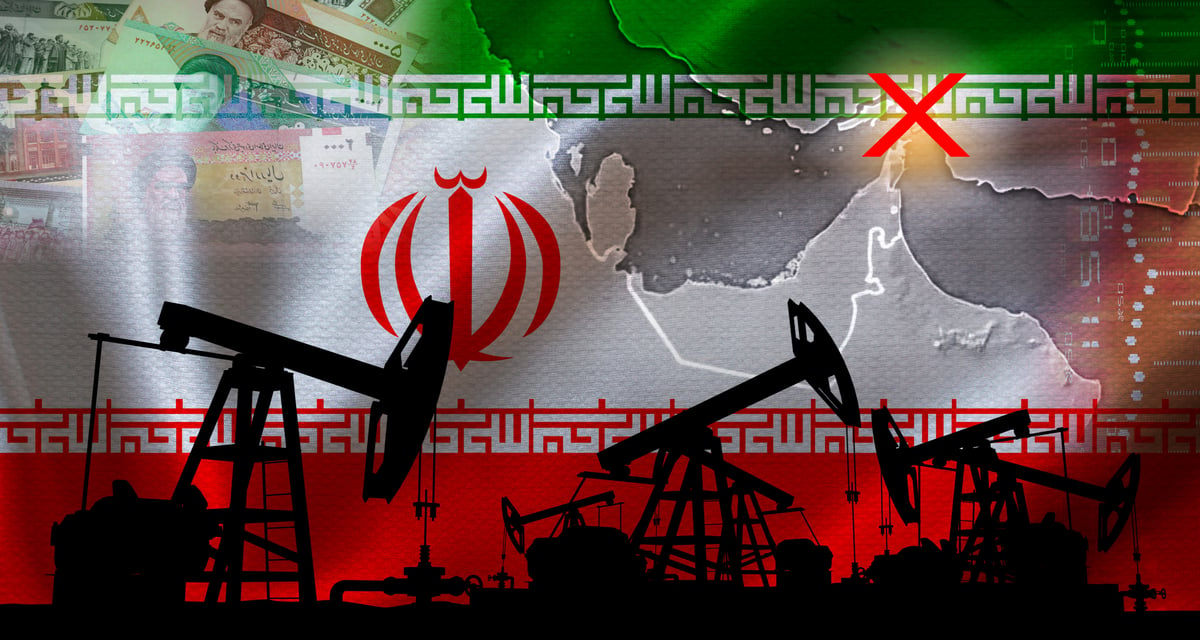
    Oil Prices Have Spiked More Than 25% Since the Iran Conflict Began, Yet Oil  Stocks Have Barely Budged. What's Going on in the Oil Market? | The Motley  Fool

    President Trump has taken a similar position. Responding to rising gasoline prices, he argued that “short term oil prices… will drop rapidly when the destruction of the Iran nuclear threat is over,” adding that higher prices were “a very small price to pay” for global security. The assumption here is that the war will be brief and the energy shock temporary.

    Energy markets are not reacting merely to current supply but to geopolitical risk. Roughly 20% of the world’s oil moves through the Strait of Hormuz, meaning even the threat of disruption can send prices sharply higher. Once markets begin pricing geopolitical risk into commodities, those price movements can persist long after the initial military event.

    Indeed, the market response already demonstrates that the shock is not trivial. Oil prices surged above $100 per barrel and analysts warn that gasoline in the United States could soon approach $4 per gallon as the conflict spreads through the region. Diesel prices are rising even faster, which will ripple through transportation, agriculture, and manufacturing. When diesel rises, everything from food to shipping costs follows.

    The deeper problem is that wars rarely remain contained. Washington may believe this operation will last weeks, but history suggests otherwise. Iraq was supposed to be over in months. Afghanistan was expected to be quick. Both became decades-long conflicts because policymakers underestimated the geopolitical and cultural realities on the ground.

    Energy markets understand this better than politicians. Traders are not simply reacting to headlines; they are assessing the possibility that the conflict spreads across the Middle East, disrupts shipping lanes, or triggers retaliatory strikes on energy infrastructure. Once that risk enters the equation, prices do not simply snap back.

    There is also the structural issue that Washington prefers to ignore. For years, Western governments discouraged investment in energy production while simultaneously increasing global demand. That created a fragile supply structure where any geopolitical disruption can trigger a major price surge.

    The idea that the energy shock will be temporary is therefore a political narrative, not an economic reality. Governments want the public to believe that higher gasoline prices are merely a short-term inconvenience. Markets, however, are signaling something very different.


    Source link

    Share. Facebook Twitter Pinterest LinkedIn Tumblr Email

    Related Posts

    Switzerland, Zurich Joins The Protests

    November 1, 2026

    France – Beyond Hope? | Armstrong Economics

    November 1, 2026

    The Midterms – Get Ready

    October 31, 2026
    Top News
    World Politics 3 Mins Read

    Victor Davis Hanson Suggests Liberals Like Jen Psaki Are Going After JD Vance for a Very Specific Reason (VIDEO) | The Gateway Pundit

    World Politics 3 Mins Read

    As the Gateway Pundit reported earlier today, Jen Psaki of MSNBC recently made some vile…

    The ‘time is money’ mantra is a terrible starting point for planning and designing infrastructure

    February 28, 2026

    I Quit My Marketing Job to Build $2.6M Travel Business: Fora

    September 2, 2026

    Market Talk – October 3, 2025

    October 3, 2025
    Top Trending
    Business 9 Mins Read

    7 Sample Performance Reviews to Guide Evaluations

    Business 9 Mins Read

    When you think about performance reviews, consider how they can shape employee…

    World Politics 1 Min Read

    Patrick Mahomes Injury Update as Chiefs Drop Second Straight

    World Politics 1 Min Read

    The Kansas City Chiefs have dropped their second consecutive game, and team…

    Business 9 Mins Read

    7 Essential Tips for Industrial Equipment Maintenance

    Business 9 Mins Read

    Maintaining industrial equipment isn’t just about fixing issues when they arise; it’s…

    Categories
    • Business
    • Economy
    • Headline News
    • Top News
    • US Politics
    • World Politics
    About us

    The Populist Bulletin was founded with a fervent commitment to inform, inspire, empower and spark meaningful conversations about the economy, business, politics, government accountability, globalization, and the preservation of American cultural heritage.

    We are devoted to delivering straightforward, unfiltered, compelling, relatable stories that resonate with the majority of the American public, while boldly challenging false mainstream narratives that seem to only serve entrenched elitists, and foreign interests.

    Top Picks

    7 Sample Performance Reviews to Guide Evaluations

    November 2, 2026

    Patrick Mahomes Injury Update as Chiefs Drop Second Straight

    November 2, 2026

    7 Essential Tips for Industrial Equipment Maintenance

    November 2, 2026
    Categories
    • Business
    • Economy
    • Headline News
    • Top News
    • US Politics
    • World Politics
    Copyright © 2025 Populist Bulletin. All Rights Reserved.

    Type above and press Enter to search. Press Esc to cancel.