
Close Menu
    Facebook X (Twitter) Instagram
    TRENDING :
    • Before You Open a Second Location, Answer These 7 Questions — Or Risk Turning One Strong Business Into Two Weak Ones
    • Mark Halperin Calls Far-Left Influencer Hasan Piker a ‘Horrible Person’ and Wonders if Dems Will Distance Themselves (VIDEO)
    • You Don’t Need a Big-City Address to Build a Great Startup
    • Planned Parenthood Comes Up With Sick New Euphemism for Abortion
    • Here Are Signs That a Founder Used AI to Apply to Y Combinator
    • WATCH: Trump Declines to Back Thune for Another Term as Leader But Throws Total Support Behind Speaker Mike Johnson – Thune Responds!
    • The Accountability Scorecard Every Founder Needs
    • Italy Shrugs Off Spanish Ultimatum, Says It Has no Plans to Reopen Border With Invaded Country – Madrid to Retaliate
    Populist Bulletin
    • Home
    • US Politics
    • World Politics
    • Economy
    • Business
    • Headline News
    Populist Bulletin
    Home»Economy»US Home Buyers Shift From Luxury To Practicality
    Economy 3 Mins Read

    US Home Buyers Shift From Luxury To Practicality

    Economy 3 Mins Read
    Share Facebook Twitter Pinterest LinkedIn Tumblr Telegram Email Copy Link
    Follow Us
    Google News Flipboard
    Share
    Facebook Twitter LinkedIn Pinterest Email


    Zillow is now openly acknowledging a shift in the US housing market that most analysts are still refusing to properly interpret. They are framing it as a “trend change” in homebuyer preferences toward smaller, adaptable, and more functional homes rather than large status properties, but this is not a lifestyle trend. It is an economic consequence of declining affordability and a structural shift in purchasing power.

    During the peak years of cheap money, the housing market was driven by excess liquidity. Low interest rates inflated asset prices and encouraged buyers to stretch into larger homes, oversized layouts, and high-maintenance properties that projected wealth. Now that mortgage rates remain around 6% instead of the artificially suppressed levels of the pandemic era, the entire psychology of the housing market is changing.

    Zillow notes that monthly mortgage payments are already about 8.4% lower than a year ago as rates eased slightly, yet affordability remains constrained. What they are describing as buyers prioritizing “adaptable” and “functional” homes is, in reality, the market adjusting to the end of an artificially inflated cycle. When carrying costs rise from insurance, taxes, maintenance, and utilities, then buyers tend to see big homes as big liabilities.

    “Homes featured dramatic two-story foyers, arched doorways, decorative columns and complex rooflines designed to project prosperity from the street,” Zillow wrote. “Listings highlighted formal living rooms and formal dining rooms, spaces reserved for special occasions rather than everyday use. Home theaters were status upgrades: the bigger the screen, the better,” Zillow continued. “Oversize primary suites, Jacuzzi tubs and walk-in closets were must-haves, while energy efficiency and climate resilience were rarely mentioned.”

    This fits perfectly with historical real estate cycles I have discussed in my reports and in Real Estate Outlook. Real estate does not crash immediately after a bubble; it transitions into a stagnation phase where prices stabilize, inventory rises, and buyer behavior shifts toward practicality.
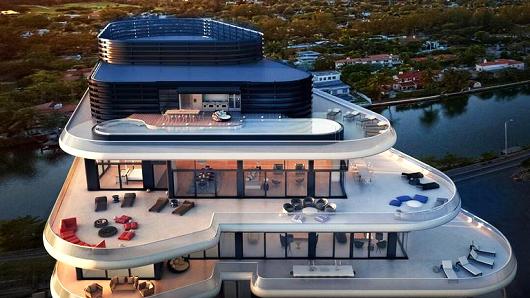
    Luxury Home

    Zillow also expects only modest home value growth in 2026 ,roughly in the low single digits, while mortgage costs still consume a large share of household income. When buyers begin prioritizing resilience, efficiency, and flexibility over luxury, it signals uncertainty about the future.

    We must also understand the demographic and economic layer beneath this shift. Millennials and younger buyers are entering the market with significantly higher debt loads, higher insurance costs, and elevated living expenses. Starter homes are less practical. Entering the housing market in general is a stretch for many young potential buyers.

    At the same time, older homeowners are locked into low mortgage rates and are reluctant to sell. This creates a supply distortion that keeps prices firm even as demand weakens. That is more of a classic stagnation model rather than a 2008-style collapse.

    Zillow’s narrative that homes will become more “intuitive, personal, and adaptable” over the next 20 years is essentially a polite way of saying the era of excess housing consumption is ending. Consumers are concerned that larger purchases will lead to “house poor” finances.


    Source link

    Share. Facebook Twitter Pinterest LinkedIn Tumblr Email

    Related Posts

    Market Talk – August 7, 2026

    August 7, 2026

    Netanyahu’s Scorched Earth Tactics | Armstrong Economics

    August 7, 2026

    Russia Prepares Children For War

    August 7, 2026
    Top News
    World Politics 2 Mins Read

    Trouble Brewing? President Trump Calls Out Pam Bondi in Blistering Truth Social Post for Doing NOTHING about Prosecuting Democrat Criminals and Getting Tricked by Democrats – “JUSTICE MUST BE SERVED, NOW!!!” | The Gateway Pundit

    World Politics 2 Mins Read

    Credit: Gage Skidmore/Flickr Attorney General Pam Bondi may be in trouble after President Trump sent…

    Becoming a U.S. citizen just became harder: How the new civics test questions differ from the old ones

    October 25, 2025

    Trump calls World Cup chief Infantino to lift red card suspension for key U.S. player

    July 6, 2026

    Scanning that QR code can leave you vulnerable. Here’s how to protect yourself

    February 28, 2026
    Top Trending
    Business 6 Mins Read

    Before You Open a Second Location, Answer These 7 Questions — Or Risk Turning One Strong Business Into Two Weak Ones

    Business 6 Mins Read

    Opinions expressed by Entrepreneur contributors are their own. Key Takeaways Expansion doesn’t…

    World Politics 3 Mins Read

    Mark Halperin Calls Far-Left Influencer Hasan Piker a ‘Horrible Person’ and Wonders if Dems Will Distance Themselves (VIDEO)

    World Politics 3 Mins Read

    Screencap of Twitter/X video. Hasan Piker, the communist influencer who said that…

    Business 8 Mins Read

    You Don’t Need a Big-City Address to Build a Great Startup

    Business 8 Mins Read

    Opinions expressed by Entrepreneur contributors are their own. Key Takeaways Mid-sized markets…

    Categories
    • Business
    • Economy
    • Headline News
    • Top News
    • US Politics
    • World Politics
    About us

    The Populist Bulletin was founded with a fervent commitment to inform, inspire, empower and spark meaningful conversations about the economy, business, politics, government accountability, globalization, and the preservation of American cultural heritage.

    We are devoted to delivering straightforward, unfiltered, compelling, relatable stories that resonate with the majority of the American public, while boldly challenging false mainstream narratives that seem to only serve entrenched elitists, and foreign interests.

    Top Picks

    Before You Open a Second Location, Answer These 7 Questions — Or Risk Turning One Strong Business Into Two Weak Ones

    August 8, 2026

    Mark Halperin Calls Far-Left Influencer Hasan Piker a ‘Horrible Person’ and Wonders if Dems Will Distance Themselves (VIDEO)

    August 8, 2026

    You Don’t Need a Big-City Address to Build a Great Startup

    August 8, 2026
    Categories
    • Business
    • Economy
    • Headline News
    • Top News
    • US Politics
    • World Politics
    Copyright © 2025 Populist Bulletin. All Rights Reserved.

    Type above and press Enter to search. Press Esc to cancel.