
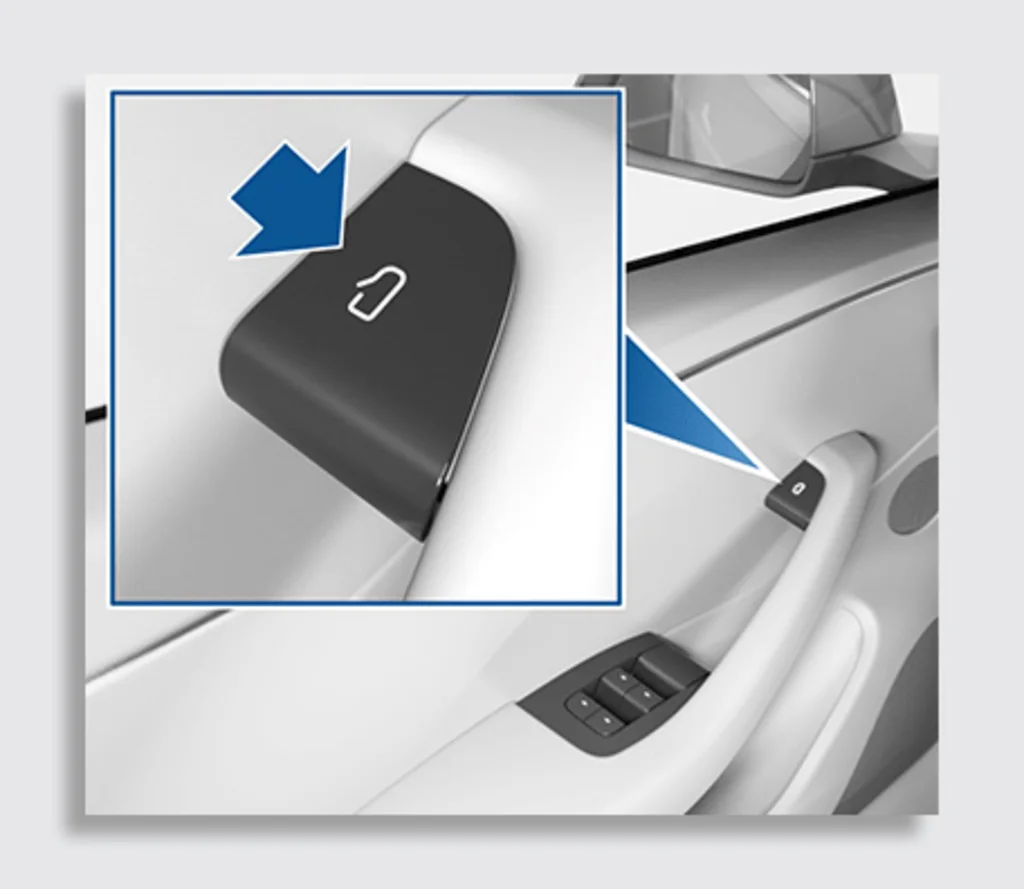
China has become the first nation to outlaw the Tesla-style concealed door handle. Demanded by Elon Musk against the safety concerns of his own engineers, the handle and its electronic opening mechanism have been implicated in multiple fatal incidents where trapped passengers couldn’t open their doors from the inside, and emergency rescuers could not gain access to the cabin from the outside.
The Chinese Ministry of Industry and Information Technology issued new safety rules, mandating that all cars sold in the country feature a mechanical release accessible from both the inside and outside the vehicle. The new law—which takes effect on January 1, 2027—kills the flush, electronic handles that have increasingly become the norm in the EV market.
This regulation marks a critical turning point in the automotive industry, perhaps signaling that the era of prioritizing sleek aesthetics over basic human survival is finally ending for good. While regulators in the U.S. and Europe are still investigating the hazards of electronic latches, it may be Beijing’s massive market leverage that forces a return to traditional, safer mechanical controls.
It is a necessary correction to a broader trend of manufacturers replacing reliable physical hardware with cheap electronic substitutes and touch interfaces—a design choice that can lead to distracted driving and accidents.
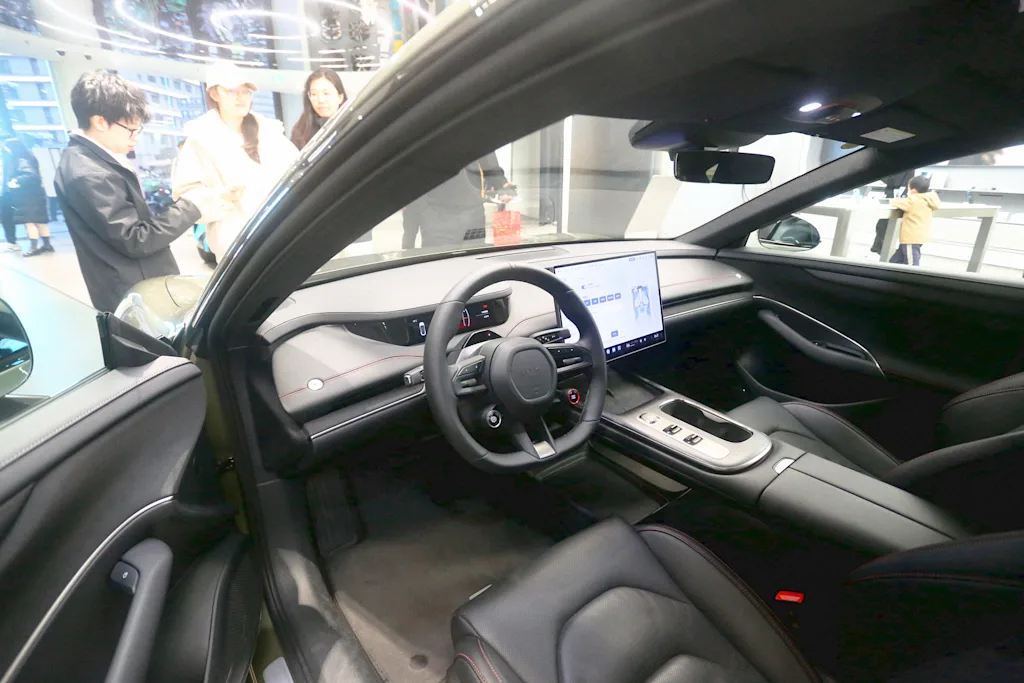
According to China Daily, 60% of the country’s top-100-selling EVs have these doors, from the popular Xiaomi SU7 to the Tesla Model Y and Model 3 (the vehicles that popularized the feature). Anticipating the regulatory crackdown, some major players including Geely and BYD have already begun pivoting back to traditional mechanical handles on new and incoming models.
New rules to stop a growing problem
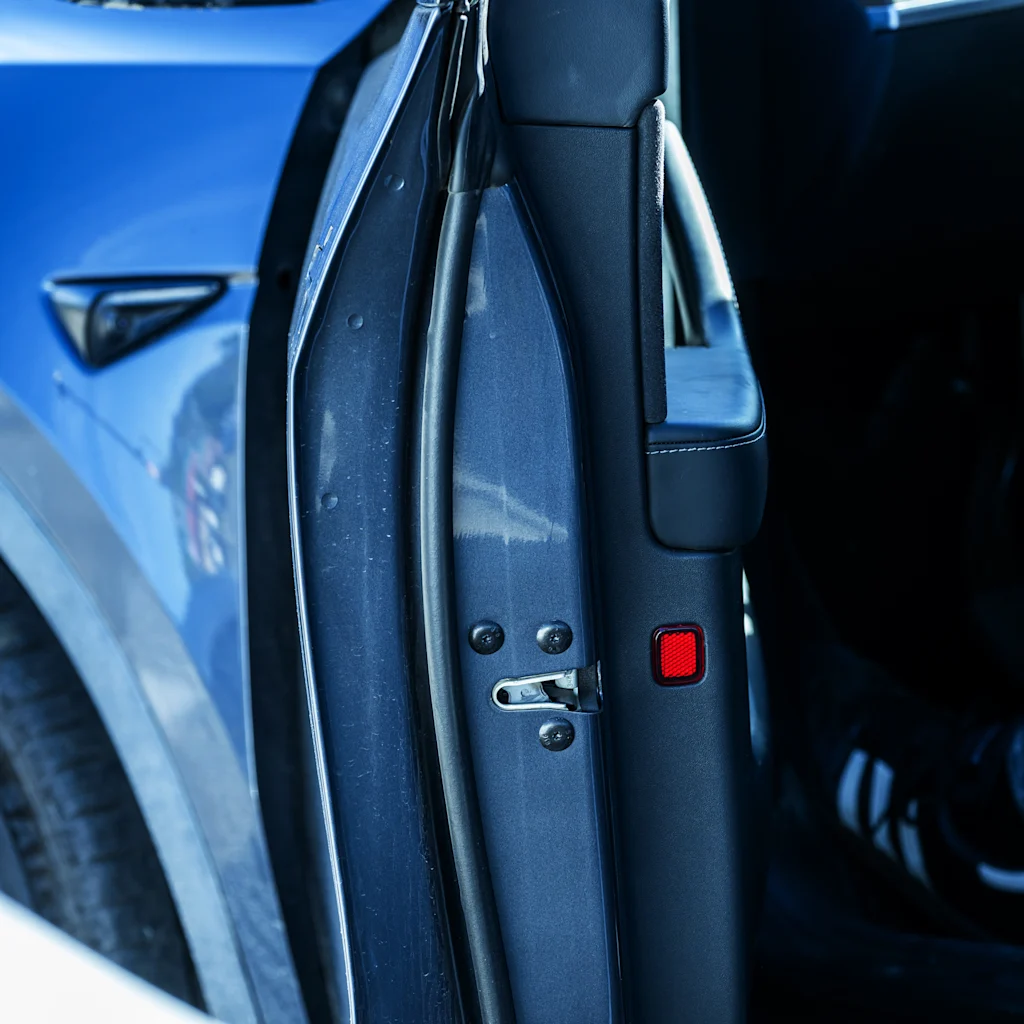
Under the new Chinese rules, automakers must meet precise manufacturing specifications that ensure a human hand can always open a car door. The regulations dictate that the door’s exterior must have a recessed space measuring at least 2.4 inches by 0.8 inches to allow for a firm manual grip. The interior must also feature clear signage, no smaller than 0.4 inches by 0.3 inches, indicating exactly how to operate the emergency release. While the primary ban starts in 2027, models currently in the final stages of approval have been granted a grace period until January 2029 to retool their assembly lines.
The mandate arrives after a series of tragedies exposed the lethal flaw of relying on electronic controls to open a car door. The popular Xiaomi SU7 electric sedan was involved in two separate fatal crashes in China—one in March and another in October—where power failures reportedly prevented the doors from unlocking, trapping victims inside as the cars burned.
The incidents mirror the deaths of four friends in Toronto last October inside a burning Tesla Model Y after its electronic opening mechanism failed, leaving a single survivor who escaped only because a bystander smashed the window with a metal bar. A December 2025 Bloomberg investigation uncovered that at least 15 people have died in a dozen U.S. crashes over the past decade specifically because Tesla doors wouldn’t open. More than half of those deaths occurred since November 2024, indicating a worsening crisis as these vehicles proliferate and age.
For years, manufacturers have justified the mechanisms with claims of improved aerodynamics and range efficiency. Technical studies cited by Chinese media reveal that hidden handles improve a vehicle’s drag coefficient by a negligible 0.005 to 0.01, a figure so small it has virtually no impact on real-world driving. Wei Jianjun, chairman of the Chinese car group Great Wall Motor, has publicly slammed the design as being “detached from users’ needs,” noting that it fails to lower power consumption while introducing severe risks like freezing shut in cold weather or pinching fingers.
Back to basics
We can only hope that this norm to reclaim door reliability and safety turns into a more vigorous push for physical controls everywhere in the car, worldwide. While the European New Car Assessment Program announced that starting in 2026 vehicles will be “penalized” with a lower safety score if they lock essential functions behind touchscreens, that doesn’t have the legally binding authority that Beijing has imposed on one of its most powerful industries.
For now, China’s decision effectively locks in a new global standard. As Bill Russo of the consultancy Automobility told Bloomberg, China is shifting from being a mere consumer market to a “rule-setter” for vehicle technology. This may work in a way similar to the European Union banning Apple’s Lightning Port and other nonstandard phone ports in favor of USB-C, forcing a design change worldwide.
These markets are too large to ignore for international giants. Hopefully the EU and U.S. will follow China’s lead. Better yet, they could one-up China and mandate physical controls everywhere in the car, leading to vehicles with doors that open properly and radios with volume knobs. What a concept.