
In the 1950s, the Air Force designed cockpits for the average pilot by measuring thousands of pilots and calculating the average for 10 key physical dimensions—height, arm length, torso size, etc. They assumed most pilots would be close to average in most dimensions.
When researchers actually checked, they found that out of 4,063 pilots, exactly zero were average on all 10 dimensions. Not a single pilot fit the average they’d designed for. Even when they reduced it to just three dimensions, fewer than 5% of pilots were average on all three. By designing for the average, the Air Force created a cockpit that fit virtually no one well, and that had serious consequences for pilot performance and safety.
The solution might sound obvious: adjustable seats, adjustable pedals, adjustable controls, etc. The cockpit was fine once they designed it for the range of human variation rather than for an average person that doesn’t exist.
{“blockType”:”mv-promo-block”,”data”:{“imageDesktopUrl”:”https://images.fastcompany.com/image/upload/f_webp,q_auto,c_fit/wp-cms-2/2025/12/speakeasy-desktop.png”,”imageMobileUrl”:”https://images.fastcompany.com/image/upload/f_webp,q_auto,c_fit/wp-cms-2/2025/12/speakeasy-mobile.png”,”eyebrow”:””,”headline”:”u003Cstrongu003ESubscribe to Urbanism Speakeasyu003C/strongu003E”,”dek”:”Join Andy Boenau as he explores ideas that the infrastructure status quo would rather keep quiet. To learn more, visit u003Ca href=u0022http://urbanismspeakeasy.com/u0022u003Eurbanismspeakeasy.com.u003C/au003E”,”subhed”:””,”description”:””,”ctaText”:”SIGN UP”,”ctaUrl”:”http://urbanismspeakeasy.com/”,”theme”:{“bg”:”#f5f5f5″,”text”:”#000000″,”eyebrow”:”#9aa2aa”,”subhed”:”#ffffff”,”buttonBg”:”#000000″,”buttonHoverBg”:”#3b3f46″,”buttonText”:”#ffffff”},”imageDesktopId”:91453933,”imageMobileId”:91453932,”shareable”:false,”slug”:””}}
The Statistical Ghost
Most American transportation systems suffer from the same fallacy. The car becomes treated as a prosthetic extension of the human body rather than what it actually is: a tool used for one segment of a multimodal journey.
Designing for the average driver creates a phantom user—a person who materializes inside their vehicle, drives, and dematerializes upon arrival. This ghost never walks across a street, never uses a bicycle or scooter, never uses a downtown circulator bus, and only makes long trips. The ghost is capable of seeing and hearing everything, is always alert and sober, doesn’t experience chronic pain, doesn’t need a cane or wheelchair, isn’t young, and isn’t old. And of course, if the imaginary average driver has to wait a few seconds behind other people, the economy will collapse.
Even the most car-dependent commuter is a pedestrian at the beginning and end of every trip. They walk from their front door to their driveway, from a parking space to the office entrance, from their car across a parking lot into the grocery store. By optimizing transportation systems for the average motorist, we’re making significant portions of every trip uncomfortable or dangerous for everyone.
Like the Air Force’s phantom pilot, the average driver doesn’t exist. Designing for the statistical middle means designing well for none of them.
Mode-Switching Humans
Complete Streets is an engineering principle that acknowledges what actually exists: People switch modes throughout their day and even within single trips. The same person might drive to a park-and-ride, take transit downtown, walk to lunch, bike to a meeting, then return to the park-and-ride in an Uber.
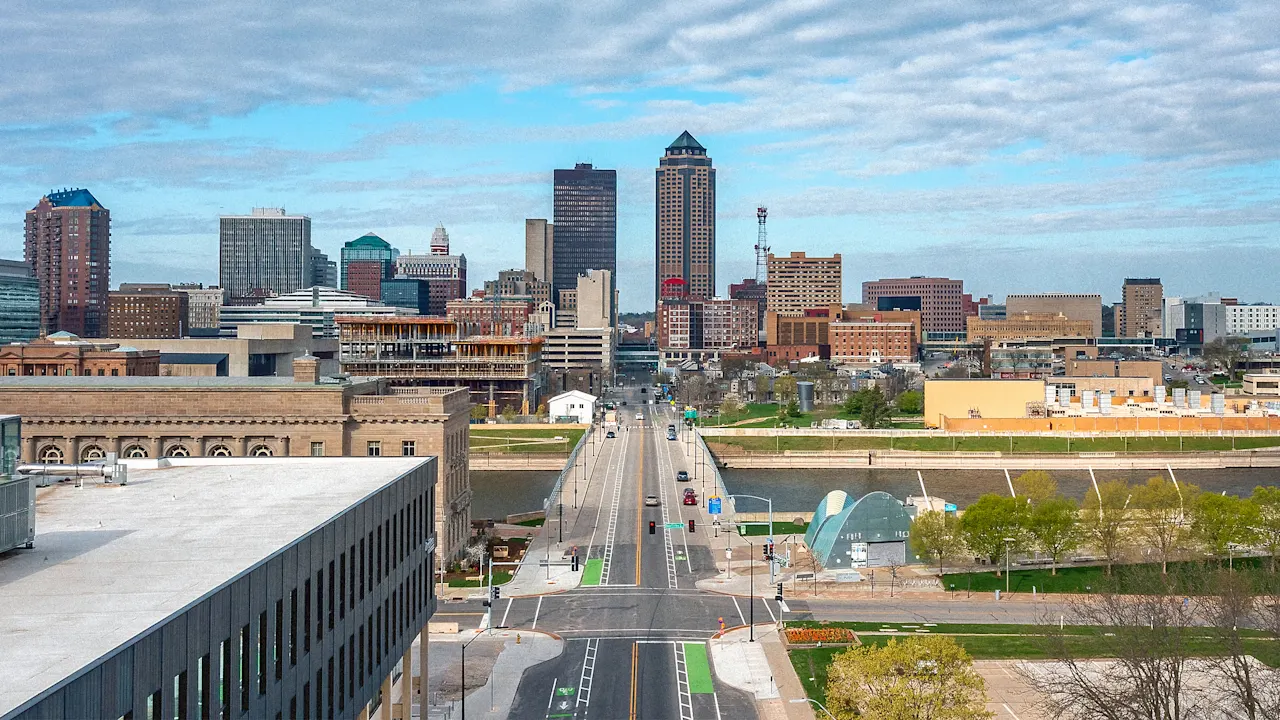
The approach works. Over 1,700 American communities have adopted Complete Streets policies, and cities that implement them will see real results. Des Moines, Iowa, went from being the 24th-safest metro area for pedestrians to the fifth-safest in just three years. Boulder, Colorado, cut carbon emissions by half a million pounds annually as more people chose walking, biking, and transit.
Like the adjustable cockpit, Complete Streets accommodates the full range of users with protected bike lanes, accessible curb cuts, varied lane widths by context, pedestrian refuges, and transit priority lanes.
Still, progress on implementation remains frustratingly slow. Despite widespread policy adoption, most communities have struggled to translate policies into actual street improvements. Planning and designing transportation systems for real mode-switching humans instead of phantom average drivers creates safer, healthier, more livable communities. The question isn’t whether Complete Streets works—it’s whether we’ll finally implement it at scale.
{“blockType”:”mv-promo-block”,”data”:{“imageDesktopUrl”:”https://images.fastcompany.com/image/upload/f_webp,q_auto,c_fit/wp-cms-2/2025/12/speakeasy-desktop.png”,”imageMobileUrl”:”https://images.fastcompany.com/image/upload/f_webp,q_auto,c_fit/wp-cms-2/2025/12/speakeasy-mobile.png”,”eyebrow”:””,”headline”:”u003Cstrongu003ESubscribe to Urbanism Speakeasyu003C/strongu003E”,”dek”:”Join Andy Boenau as he explores ideas that the infrastructure status quo would rather keep quiet. To learn more, visit u003Ca href=u0022http://urbanismspeakeasy.com/u0022u003Eurbanismspeakeasy.com.u003C/au003E”,”subhed”:””,”description”:””,”ctaText”:”SIGN UP”,”ctaUrl”:”http://urbanismspeakeasy.com/”,”theme”:{“bg”:”#f5f5f5″,”text”:”#000000″,”eyebrow”:”#9aa2aa”,”subhed”:”#ffffff”,”buttonBg”:”#000000″,”buttonHoverBg”:”#3b3f46″,”buttonText”:”#ffffff”},”imageDesktopId”:91453933,”imageMobileId”:91453932,”shareable”:false,”slug”:””}}