
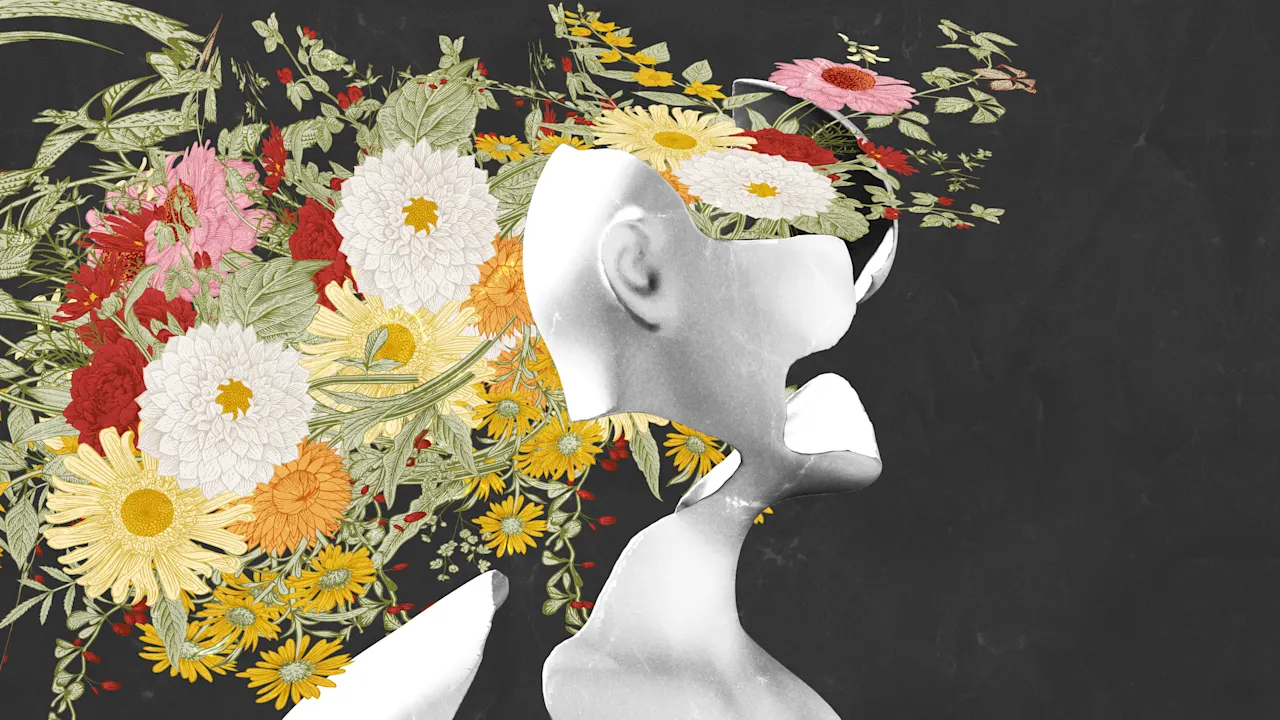
Most business leaders view themselves primarily as “productive” rather than “creative.” Productivity is often associated with measurable outcomes, such as efficiency, consistency, and task completion. Creativity, by contrast, is frequently perceived as spontaneous, unpredictable, and elusive. Yet, productivity and creativity are not at odds. In fact, they reinforce each other powerfully.
Leaders who successfully integrate productive habits with creative practices can unlock new levels of innovation, effectiveness, and personal fulfillment. A global Adobe survey found that 75% of professionals report growing pressure to be productive rather than creative at work, while only 25% believe they’re living up to their creative potential. This “creativity gap” reveals a systemic imbalance: leaders may be achieving efficiency, but they’re underperforming on innovation.
Productivity Without Creativity Leads to Stagnation
Many leaders find themselves trapped in cycles of productivity: checking off tasks, hitting deadlines, and running efficient meetings. However, overemphasizing productivity metrics at the expense of creativity can lead to stagnation, disengagement, and missed opportunities for innovation. According to Gallup, disengagement costs the global economy $8.8 trillion annually. And disengaged leaders set the tone for disengaged teams. In our work with executives, we often hear the same lament: “I’m getting things done, but I don’t feel like I am getting anywhere.” The problem isn’t a lack of effort. It’s that productivity without creativity produces motion without momentum.
Creativity Needs Discipline
The myth of creativity is that it arrives in spontaneous bursts of inspiration. In reality, creativity flourishes when it rests on a foundation of discipline. Cliff knows this from his dual roles. As a songwriter, he leans on courage, openness, and uncertainty. As a recording engineer, he thrives on precision, technical structure, and predictable workflow. Each role strengthens the other. The order of the studio makes space for creative leaps in songwriting. The risks of songwriting push him to keep the studio at peak performance.
Similarly, in my own work, I’ve seen how structure creates room for insight. In leadership workshops, I utilize tools like the Illuminated Cube—a reflective exercise that provides a framework for individuals to surface their hidden strengths. The structure isn’t the end; it’s the container that makes creativity possible.
As organizational psychologist Adam Grant points out, productivity isn’t about more output; it’s about quality output. And quality often comes from pairing disciplined focus with creative risk-taking. In Grant’s view, a disciplined focus allows individuals to produce fewer, higher-quality ideas that have a greater overall impact. Disciplined practice also builds the resilience needed to navigate creative challenges and maintain consistency.
Your Spaces Matter, Too
Leaders often underestimate the impact of their environment. But organized spaces—both physical and mental—make breakthroughs more likely. Cliff’s recording studio is a model of meticulous organization. Everything is in its place, technically reliable, and ready to go. That structure frees him to explore ideas in songwriting, knowing the foundations won’t fail. He also maintains a daily haiku practice—a tiny ritual that trains his creative muscles consistently over time.
Small practices like these work for leaders too: quick journaling, five-minute brainstorms, reflective pauses before meetings. These micro-habits signal to the brain: This is a space where creativity belongs.
Kate O’Neill, founder of KO Insights, employs similar strategies, using structured prompts and systematic reminders to maintain consistent creative output amidst demanding productivity schedules. This disciplined consistency allows O’Neill to seamlessly integrate creativity into her everyday activities, resulting in more impactful and innovative work.
Incorporating small, consistent creative rituals into daily routines can significantly improve leadership effectiveness. Activities like quick journaling, brief brainstorming sessions, or reflective writing help leaders systematically foster creativity, encouraging long-term innovation and adaptability.
The Creative-Productive Zone
The biggest shift is identity. Too many leaders see themselves as either “productive” or “creative.” But the most impactful leaders integrate both. For me, this came from reconciling two identities: The strategist and the artist. For years, I thought of them as separate worlds. However, when I began blending artistic practices—such as visual thinking, storytelling, and pattern-making—into my leadership development work, my impact expanded. Creativity didn’t dilute my productivity; it deepened it.
Cliff’s path illustrates the same lesson. His creativity as a songwriter is inseparable from the technical precision of his engineering work. Together, they create a rhythm of freedom within structure. This integration is what we call the creative-productive zone: a state where structure supports exploration and exploration fuels progress.
How to Harness Productivity and Creativity Together
Bringing productivity and creativity into balance doesn’t happen by accident; it requires intention. The good news is that you don’t need sweeping overhauls to start. Often, it’s the smallest shifts in routine and mindset that unlock the most significant breakthroughs. By making space for both discipline and imagination, leaders create the conditions where innovation feels less like a gamble and more like a habit. Here are four practical ways leaders can start today:
1. Build Creative Rituals into Routine. Add small, repeatable practices—a haiku, a sketch, a reflective question—that keep your creative muscles strong.
2. Organize for Freedom. Create reliable structures (clear processes, tidy workspaces, predictable rhythms) so your mind is free to take risks.
3. Alternate Modes. Design your calendar with intentional blocks for both focused execution and open exploration. Don’t try to do both at once.
4. Audit Your Balance. Ask: Am I measuring only outputs? Where am I creating space for ideas, not just tasks?
The future of leadership isn’t choosing between productivity and creativity. It’s mastering both. When you create the structures that support your craft and the rituals that spark your imagination, you don’t just get things done, you create things worth doing.
The leaders who thrive will be those who can deliver results and inspire, who can hit deadlines and spark breakthroughs. In a world overflowing with efficiency, it’s the capacity to generate meaning and originality that sets you apart. Productivity makes you reliable; creativity makes you unforgettable. The challenge and the opportunity lie in embracing both with equal intention.