
Close Menu
    Facebook X (Twitter) Instagram
    TRENDING :
    • ROMTech CEO Peter Arn on Scaling Home Rehab Care
    • DNC Chair Ken Martin Made Democrat Officials Sign Non-Disclosure Agreements Before Viewing the Party’s Finances * The Gateway Pundit * by Mike LaChance
    • Is It Possible to Moonlight Ethically, Especially in Tech?
    • There Are Two Distinct Reasons Why Democrats and the Media Lost Their Minds Over Trump’s Speech Tonight * The Gateway Pundit * by Mike LaChance
    • How AI Exposed the Real Cause of Slow Decision-Making
    • President Trump Lays Bare Massive GBI Strategies Fake Voter Registration Scam The Gateway Pundit Broke in August 2023
    • How to Stand Out in a Crowded Agency Market
    • UNHINGED! Far-Left Georgia Senator Jon Ossoff Goes on Pathetic Meltdown Ahead of Trump’s Highly Anticipated Speech – Whines Planned Declassification of 2020 Election Intel a “Presidential Misconduct”
    Populist Bulletin
    • Home
    • US Politics
    • World Politics
    • Economy
    • Business
    • Headline News
    Populist Bulletin
    Home»Business»Getting rid of old furniture immediately starts lowering the toxic flame retardants in your body. Here’s why
    Business 3 Mins Read

    Getting rid of old furniture immediately starts lowering the toxic flame retardants in your body. Here’s why

    Business 3 Mins Read
    Share Facebook Twitter Pinterest LinkedIn Tumblr Telegram Email Copy Link
    Follow Us
    Google News Flipboard
    Share
    Facebook Twitter LinkedIn Pinterest Email

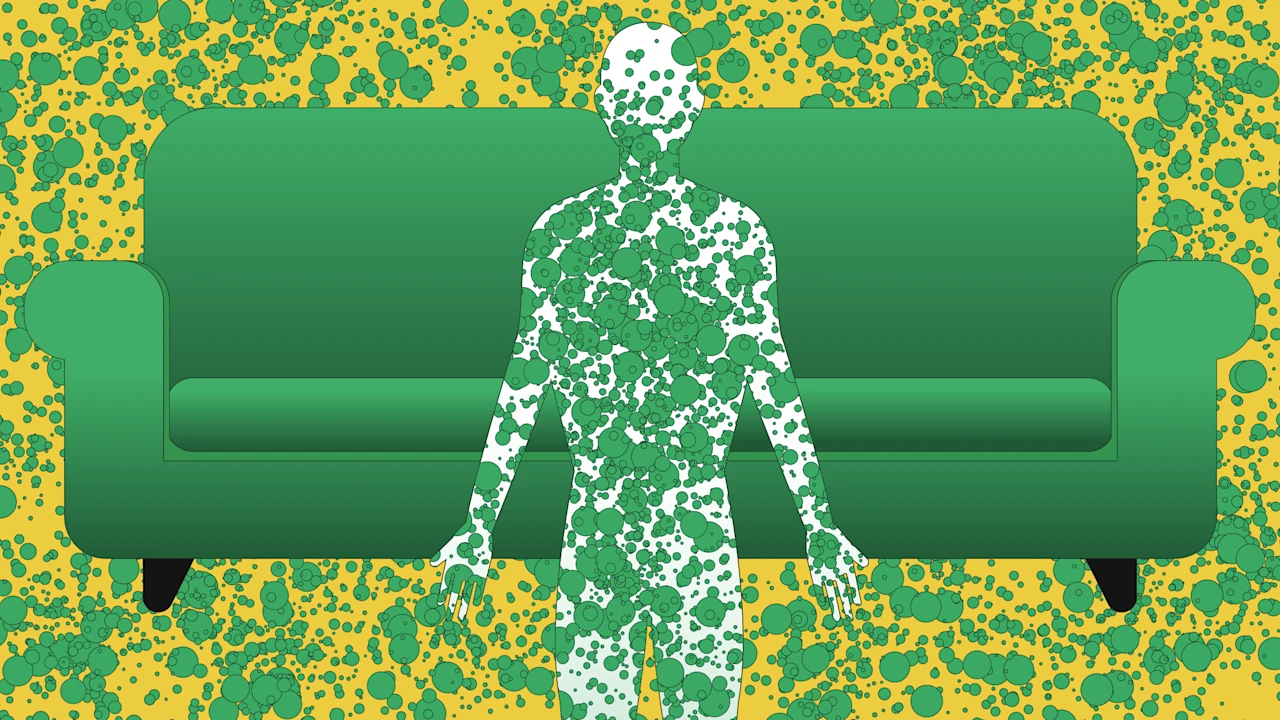
    If your sofa was made between 1970 and 2014, its foam is likely loaded with flame retardants—chemicals that can escape into dust and end up in the air you breathe.

    A new study led by the California Department of Public Health shows the payoff of swapping it out: people who replaced their old, chemical-filled sofas or chairs with new, flame-retardant-free models saw levels of one common chemical, polybrominated diphenyl ethers (PBDEs), drop by half in just over a year.

    The chemicals became ubiquitous in upholstered furniture thanks to older regulations in California. The state’s large market meant that flame retardants were used in furniture nationwide.

    The tobacco industry originally lobbied for the rules in the 1960s, when smoking was a common cause of fires and the industry didn’t want to make self-extinguishing cigarettes. But flame retardants didn’t prevent fires effectively. Instead, they were linked to cancer risk, hormone disruption, and reduced IQ levels in children.

    By the early 2000s, manufacturers began phasing out one type of flame retardant, and by 2014, California finally revised its flammability rules so that companies could sell furniture without flame retardants.

    “In the early 2000s, there was a lot of accumulating evidence of the health effects associated with these chemicals, particularly for neurological development for children,” says Robin Dodson, a research scientist at the Silent Spring Institute and one of the authors of the study. “So the industry kind of saw the writing on the wall and opted for a phase out of BDE flame retardants in upholstered furniture.”

    Initially, manufacturers switched to organophosphate flame retardants (OPFRs). But after California updated its rules, some phased out flame retardants completely, so it became possible to buy furniture without them.

    In a previous study, the researchers found a “significant reduction” in PBDE chemicals in dust after furniture was replaced in a house. The new study is the first to look at what happens biologically. The chemicals don’t go away immediately—PBDEs have half lives in the body ranging from 1.8 to 6.5 years. But when large furniture like a sofa is replaced, they quickly drop. (There was less change in OPFRs, which have a shorter half-life in the body and which are still present in other products, from cars to electronics.)

    The scientists also studied a companion group of people who didn’t replace furniture. They also saw a drop in PBDEs in their blood and urine, thanks to the fact that more products are being made without the chemicals. But levels dropped two to four times more slowly than in those who got new furniture.

    That doesn’t mean you need to immediately buy a new couch if your budget is tight. (There’s also currently no safe, environmentally friendly way to dispose of old flame-retardant-filled furniture.) “Our number-one tip right now today for flame retardants is to actually keep dust levels low inside of your house,” says Dodson. That means, for example, vacuuming with a HEPA filter that can capture dust. Washing hands before making food or eating also makes a significant difference, especially for children.

    But when you do get new furniture, Dodson says, look for items that are specifically made without the chemicals. “We’ve been generally telling people, don’t run and throw out your couch,” she says. “But when choosing new furniture, choose without flame retardants.”


    Source link

    Share. Facebook Twitter Pinterest LinkedIn Tumblr Email

    Related Posts

    ROMTech CEO Peter Arn on Scaling Home Rehab Care

    July 17, 2026

    Is It Possible to Moonlight Ethically, Especially in Tech?

    July 17, 2026

    How AI Exposed the Real Cause of Slow Decision-Making

    July 17, 2026
    Top News
    Business 4 Mins Read

    Deep layoffs hit ‘The Washington Post,’ sparking sharp criticism for owner Jeff Bezos

    Business 4 Mins Read

    The Washington Post informed its team on Wednesday morning that it was starting a round…

    5 Effective Strategies for Customer Engagement and Retention

    June 28, 2026

    Are you a night owl? New Gen Z study ties staying up late to ‘problematic’ smartphone and social media use

    September 20, 2025

    White House Orders Review of Smithsonian Exhibits Ahead of Nation’s 250th Birthday

    September 13, 2025
    Top Trending
    Business 5 Mins Read

    ROMTech CEO Peter Arn on Scaling Home Rehab Care

    Business 5 Mins Read

    Opinions expressed by Entrepreneur contributors are their own. In 2025, ROMTech had…

    World Politics 2 Mins Read

    DNC Chair Ken Martin Made Democrat Officials Sign Non-Disclosure Agreements Before Viewing the Party’s Finances * The Gateway Pundit * by Mike LaChance

    World Politics 2 Mins Read

    Ken Martin / Screenshot ABC1 Ken Martin, the chairman of the Democratic…

    Business 6 Mins Read

    Is It Possible to Moonlight Ethically, Especially in Tech?

    Business 6 Mins Read

    Opinions expressed by Entrepreneur contributors are their own. Key Takeaways Moonlighting isn’t…

    Categories
    • Business
    • Economy
    • Headline News
    • Top News
    • US Politics
    • World Politics
    About us

    The Populist Bulletin was founded with a fervent commitment to inform, inspire, empower and spark meaningful conversations about the economy, business, politics, government accountability, globalization, and the preservation of American cultural heritage.

    We are devoted to delivering straightforward, unfiltered, compelling, relatable stories that resonate with the majority of the American public, while boldly challenging false mainstream narratives that seem to only serve entrenched elitists, and foreign interests.

    Top Picks

    ROMTech CEO Peter Arn on Scaling Home Rehab Care

    July 17, 2026

    DNC Chair Ken Martin Made Democrat Officials Sign Non-Disclosure Agreements Before Viewing the Party’s Finances * The Gateway Pundit * by Mike LaChance

    July 17, 2026

    Is It Possible to Moonlight Ethically, Especially in Tech?

    July 17, 2026
    Categories
    • Business
    • Economy
    • Headline News
    • Top News
    • US Politics
    • World Politics
    Copyright © 2025 Populist Bulletin. All Rights Reserved.

    Type above and press Enter to search. Press Esc to cancel.