
Close Menu
    Facebook X (Twitter) Instagram
    TRENDING :
    • Introducing “Fighting Fascism,” a New Podcast Devoted to Resisting Authoritarianism
    • Blatantly fake news about college sports spreads like wildfire in the absence of player payday details
    • Polymarket and Kalshi are up against a united Congress as D.C. steps up scrutiny of prediction markets
    • How AI and education are shaping the future of aesthetics
    • Negotiating With Iran | Armstrong Economics
    • Mamdani Wants to Show That Democratic Socialism “Can Flourish Anywhere”
    • What San Francisco’s AI billboards say about the state of the industry
    • How Trump Keeps Getting Away With Blasphemy
    Populist Bulletin
    • Home
    • US Politics
    • World Politics
    • Economy
    • Business
    • Headline News
    Populist Bulletin
    Home»Business»Attorneys general are fighting for states’ rights to regulate AI
    Business 3 Mins Read

    Attorneys general are fighting for states’ rights to regulate AI

    Business 3 Mins Read
    Share Facebook Twitter Pinterest LinkedIn Tumblr Telegram Email Copy Link
    Follow Us
    Google News Flipboard
    Share
    Facebook Twitter LinkedIn Pinterest Email

    The Trump administration is hunting for ways to block the ability of states to regulate artificial intelligence. In response, dozens of state attorneys general have now sent a letter pressing Congressional leadership not to approve language that would preempt their governments’ freedom to propose their own legislation on the technology.

    “Broad preemption of state protections is particularly ill-advised because constantly evolving emerging technologies, like AI, require agile regulatory responses that can protect our citizens,” they write in a Tuesday memo. “This regulatory innovation is best left to the 50 states so we can all learn from what works and what does not. New applications for AI are regularly being found for healthcare, hiring, housing markets, customer service, law enforcement and public safety, transportation, banking, education, and social media.”

    The endeavor, which represents 36 states total, comes as Congress weighs language, packed in a new defense funding authorization bill, that would prevent states from enforcing their own rules about the technology. A previous measure, which failed, would have established a 10-year moratorium on states writing their own rules. A draft executive order leaked last week would, similarly, push the federal government to punish states for enacting or enforcing these rules. 

    “If there were real cases to be brought up, they would have brought [them] already,” Alex Bores, the lawmaker who authored New York’s passed, but not-yet-signed AI legislation, the RAISE Act, told Fast Company last week. “The only reason you need an executive order to tell people to look for cases is when you just want to harass states into submission.” 

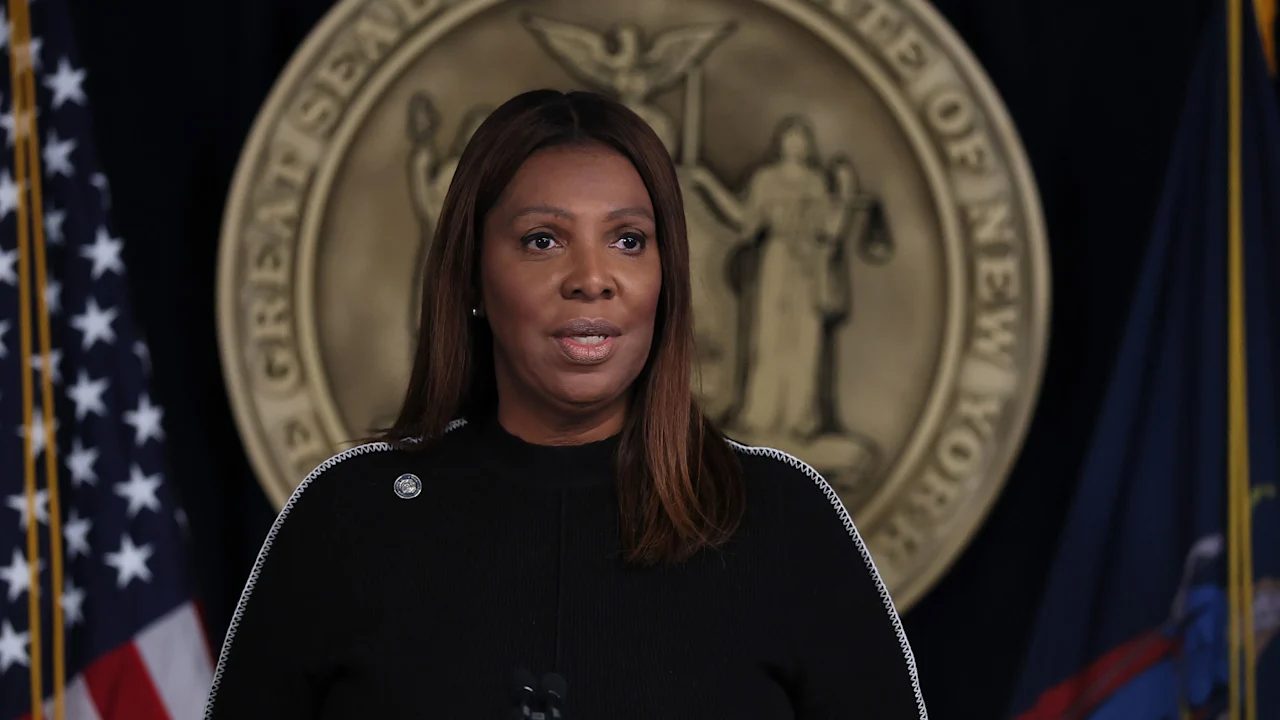
    ​​“Every state should be able to enact and enforce its own AI regulations to protect its residents,” New York Attorney General Letitia James, the lead author of the letter, said in a statement. “Certain AI chatbots have been shown to harm our children’s mental health and AI-generated deepfakes are making it easier for people to fall victim to scams. State governments are the best equipped to address the dangers associated with AI.”

    The letter comes after state lawmakers wrote to their federal peers not to strip states of their ability to regulate artificial intelligence. Thus far, the federal government has passed major legislation on ensuring model transparency use, AI cybersecurity and safety, or energy use.  

    For state officials, the concern is that states will be banned from taking their own action on these fronts. Arati Prabhakar, a top tech adviser under the Biden administration, recently called this effort “ludicrous,” since Congress has yet to establish any regulatory regime for AI. 

    The attorneys general emphasized the importance of defending children from inappropriate relationships with chatbots, including discussions of self-harm, and defending against deepfake-enabled scams. A “moratorium would put us behind by tying states’ hands and failing to keep up with the technology,” they write, arguing that pre-emption prevents states from remaining agile in responding to an emerging technology. 


    Source link

    Share. Facebook Twitter Pinterest LinkedIn Tumblr Email

    Related Posts

    Blatantly fake news about college sports spreads like wildfire in the absence of player payday details

    April 17, 2026

    Polymarket and Kalshi are up against a united Congress as D.C. steps up scrutiny of prediction markets

    April 17, 2026

    How AI and education are shaping the future of aesthetics

    April 17, 2026
    Top News
    Economy 3 Mins Read

    Taiwan Declines US Demand To Offshore Chip Production

    Economy 3 Mins Read

    The threat of losing military protection did not persuade Taiwan to move half its chip…

    Shredded cheese recall update: Great Lakes Cheese responds to FDA report on metal fragments in products

    December 4, 2025

    Buc-ee’s is loved by shoppers, so why did it get red-flagged by the Better Business Bureau? Here’s what you need to know

    March 10, 2026

    What Is a Sample of Social Media Content?

    March 23, 2026
    Top Trending
    US Politics 5 Mins Read

    Introducing “Fighting Fascism,” a New Podcast Devoted to Resisting Authoritarianism

    US Politics 5 Mins Read

    In a moment that demands not just outrage but strategy, cohosts Aaron…

    Business 5 Mins Read

    Blatantly fake news about college sports spreads like wildfire in the absence of player payday details

    Business 5 Mins Read

    About an hour after the men’s college basketball season ended in Indianapolis…

    Business 7 Mins Read

    Polymarket and Kalshi are up against a united Congress as D.C. steps up scrutiny of prediction markets

    Business 7 Mins Read

    As the United States was preparing a daring mission to rescue an…

    Categories
    • Business
    • Economy
    • Headline News
    • Top News
    • US Politics
    • World Politics
    About us

    The Populist Bulletin was founded with a fervent commitment to inform, inspire, empower and spark meaningful conversations about the economy, business, politics, government accountability, globalization, and the preservation of American cultural heritage.

    We are devoted to delivering straightforward, unfiltered, compelling, relatable stories that resonate with the majority of the American public, while boldly challenging false mainstream narratives that seem to only serve entrenched elitists, and foreign interests.

    Top Picks

    Introducing “Fighting Fascism,” a New Podcast Devoted to Resisting Authoritarianism

    April 17, 2026

    Blatantly fake news about college sports spreads like wildfire in the absence of player payday details

    April 17, 2026

    Polymarket and Kalshi are up against a united Congress as D.C. steps up scrutiny of prediction markets

    April 17, 2026
    Categories
    • Business
    • Economy
    • Headline News
    • Top News
    • US Politics
    • World Politics
    Copyright © 2025 Populist Bulletin. All Rights Reserved.

    Type above and press Enter to search. Press Esc to cancel.