
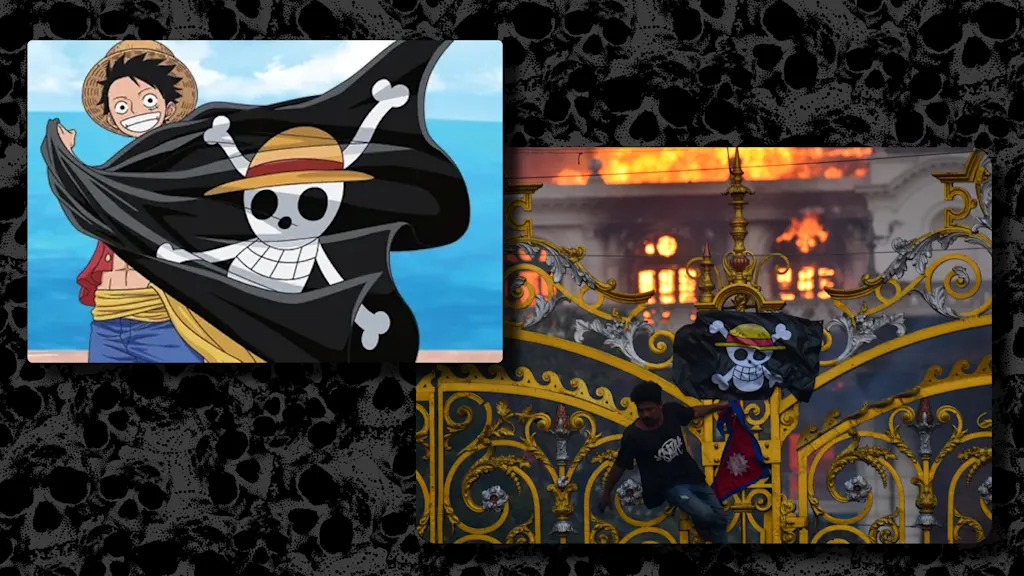
As Halloween nears, we’re seeing the signs of “spooky season”—ghosts, tombstones, vampires, and such—not only in the usual yard decorations and party trimmings, but in less-expected places, like logos. Branding and symbols featuring skulls have been in the news lately, with antigovernment Gen Z protesters in Nepal, Indonesia, and elsewhere adopting the “One Piece” Straw Hat Pirates skull-and-crossbones emblem. Then there’s the fight between Liquid Death and Death Wish Coffee, who are embroiled in a legal battle over their similar skull-centric trademarks.
These skulls, though, are only the latest in a decades-long trend that, according to United States Patent and Trademark Office records, saw the rate of skulls and skeletons in American logos increase by a factor of almost seven from the 1980s to the 2010s. Throughout the last decade, skulls and skeletons appeared in nearly one of every 200 new U.S. logos, a number that has dipped only slightly in the 2020s.
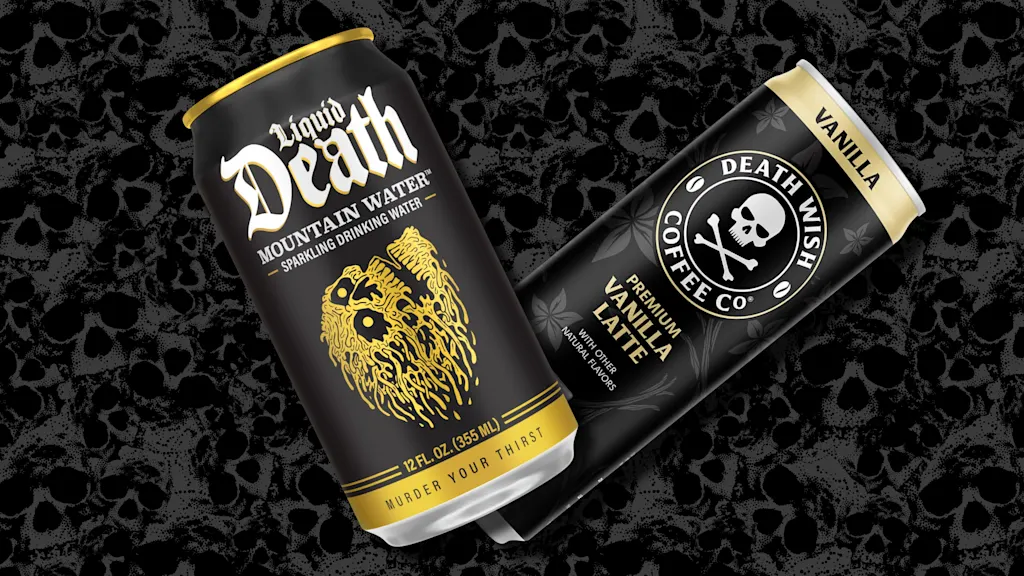
Logo design guru Bill Gardner is no stranger to skull logos, having cataloged over 2,000 of them in his Logolounge database over the years. And while it’s easy to assume that most of these symbols are just variations of the familiar skull and crossbones of the “Jolly Roger” pirate flag, Gardner points out that the ubiquity of that flag in the popular imagination is something of a historical accident.
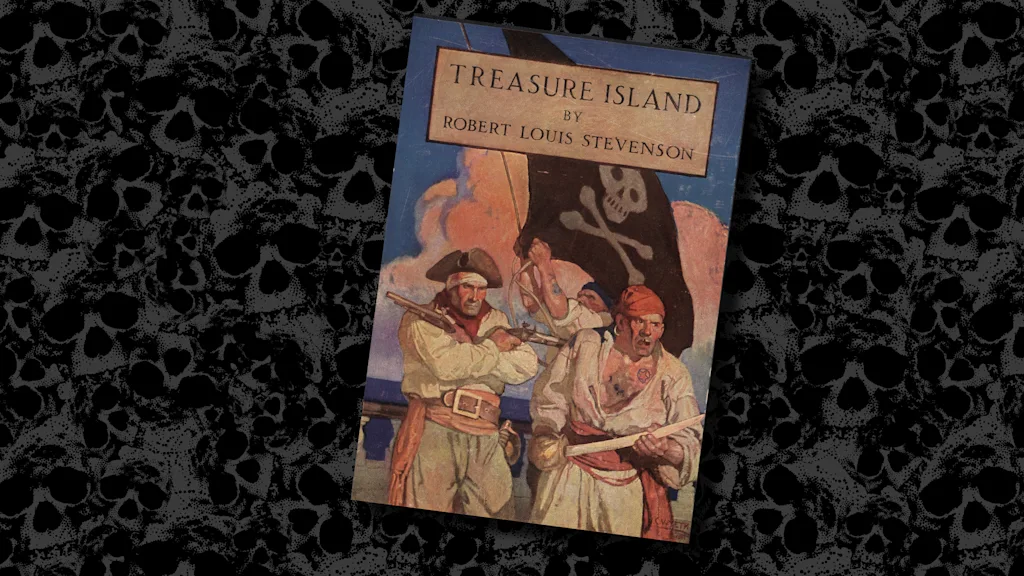
“Every pirate had their own symbol on their flag, such as an hourglass, indicating that you were into the final moments of your life, or a skeleton, or a sword, or some combination of these elements,” Gardner explains. “And one of those flags just happened to be a skull with crossed bones. In 1911, the illustrator N.C. Wyeth was hired to design a cover for a new edition of Treasure Island, and he incorporated that flag because it was easy to understand symbolically. From that point on, the public assumed that all pirate flags featured a skull and crossbones.”

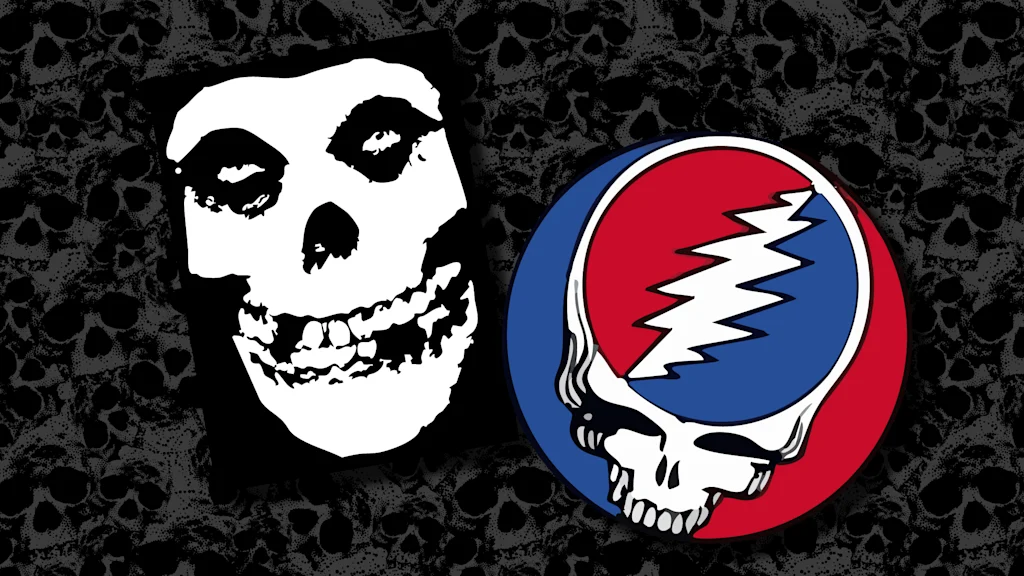
The associations with pirates and death meant that, for most of the twentieth century, the use of skulls in logos was limited to outlaws and rebels like motorcycle clubs and rock bands, with the Hells Angels’ winged skull and the Misfits’ “Crimson Ghost” mark among the most prominent. The Grateful Dead’s “Steal Your Face” skull emblem still has enough cultural currency that the University of Oregon Ducks, in partnership with Nike, sported an homage to it on their football uniforms last weekend.
It’s worth noting that the sharp uptick in the use of skulls coincided with the aftermath of the terrorist attacks of September 11, 2001. As the country assumed a war footing and the number of combat deaths in Afghanistan and Iraq mounted, so did the number of American skull logos. World Intellectual Property Organization data shows that the use of skull logos around the world also increased at this time, but not to the same extent as in the U.S. One could speculate that the specter of death raised by these wars seeped into American culture, eventually being reflected in the popularity of skull logos such as those of dirtbike lifestyle brand Metal Mulisha and Marvel Comics’ vigilante antihero The Punisher.
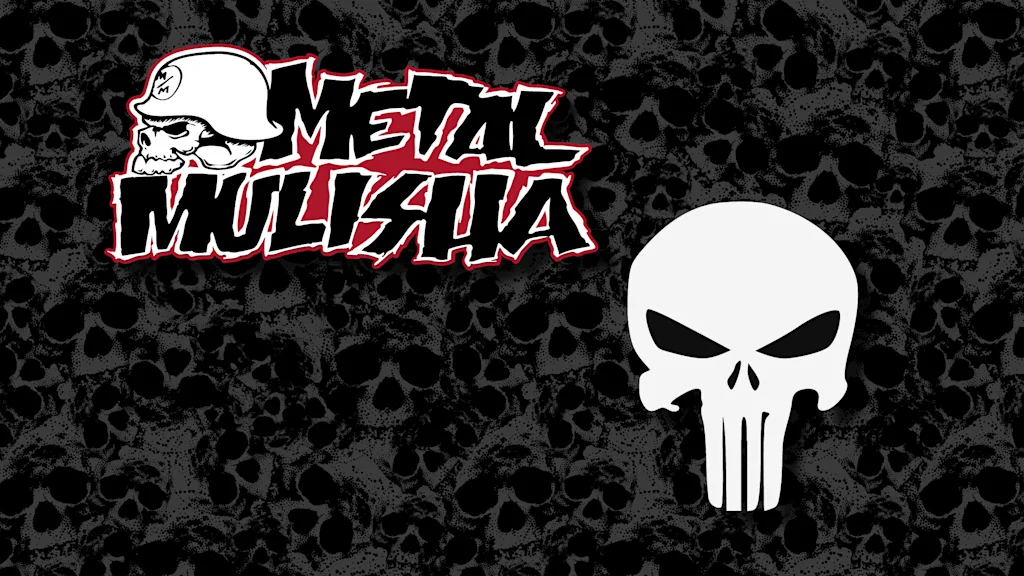
Yet the meanings of the skull logos we see today seem to be expanding beyond the traditional associations of the symbol. Clearly, it no longer indicates “poison” when Liquid Death and Death Wish are fighting for the right to put a skull on their coffee. And, as Gardner notes, “The majority of skull logos I see are not foreboding, they’re humorous.”
.svg)
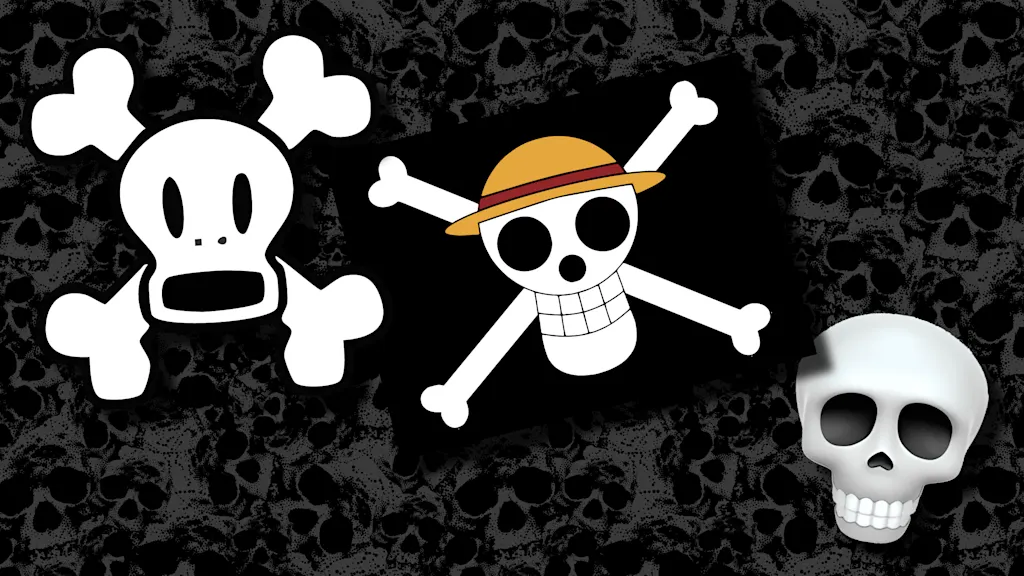
The Straw Hats Pirates emblem, perhaps inspired by predecessors such as Paul Frank’s “Skurvy” monkey skull, leans into cuteness and fun, playfully subverting the Jolly Roger. The skull emoji means laughter, not death, and, contrary to its pirate ethos, Death Wish Coffee is Fair Trade certified. The Tennessee specialty license plate with an eyepatched skull and crossbones benefits blindness prevention.
In a world where, ironically, being a nonconformist is in style, the pirate identity and its associated skull imagery provide an easy way for brands to try to signal that they are cool, edgy, rebellious, and different. But, as Liquid Death and Death Wish are discovering, it can be a problem when everyone wants to be different in the same way.
James I. Bowie is a sociologist at Northern Arizona University who studies trends in logo design and branding. He reports on his research at his website, Emblemetric.com.