
From July 14 to November 9, 2023, the American actors’ union SAG-AFTRA, representing 160,000 people, went on strike over a labor dispute with the Alliance of Motion Picture and Television Producers. Eventually, both sides agreed to terms that theoretically would put limits on how an actor’s images and output could be used. Strike over, everybody went back to work and the entertainment industrial complex started humming again. But they apparently never took heed of the lessons offered by a somewhat obscure 2013 movie, The Congress, which eerily anticipated the crisis Hollywood is now facing.
Caught by surprise? Really?
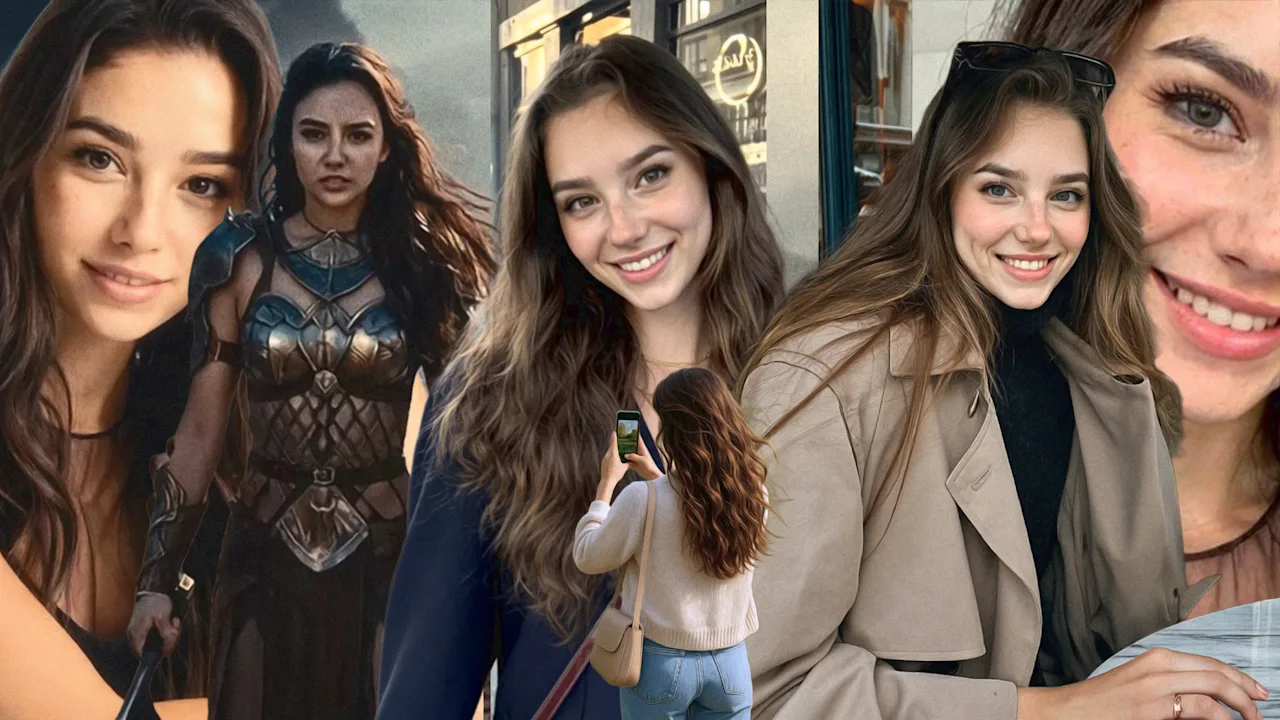
Fast-forward to September of 2025. Dutch actor and comedian Eline Van der Velden’s company Particle6 released an AI “actor” named Tilly Norwood with the express intention of her becoming the “next Scarlett Johansson.” The bot had its own social media presence, appeared in comedy sketches, and breathlessly declared, “I may be AI, but I’m feeling very real emotions right now. I am so excited for what’s coming next!”
The news that there were agents in talks to sign Norwood, the way they might sign a real actor, sparked an incredible Hollywood firestorm. Lots of denunciations of this use of technology. Lots of claims that this was unfair. And lots and lots of workplace anxiety. But should they really have been this surprised? Futurist Amy Webb suggests not. As she says, “Let’s not kid ourselves: they’ve had more than a decade to prepare for this.”
Toy Story, launched in 1995, was the first full-length feature film to be fully animated, followed by a string of other hits that did very well without real actors, thank you very much. Lara Croft, the Tomb Raider game star that was launched in 1996, became a movie character in 2001. In 2002, a simulated movie star played the lead in the science fiction movie Simone. In 2011, Japanese idol group AKB48 introduced a new member—Aimi Eguchi. She became popular and was “added” to the band only to “graduate” when her identity as a composite of the band’s other actors was revealed. By 2016, we had AI-generated influencers like Lil Miquela who appear in advertisements, garner thousands of followers, and are paid to endorse brands. And the precedent for Tilly signing with an agent has already been established—Miquela signed on with CAA as its first virtual client as far back as 2020.
Willful blind spots
Now seemingly caught by surprise, what did the strategists in Hollywood miss?
Most likely, too much focus on their own industry. Fractious labor relations, contract negotiations, and changing entertainment consumption behavior can eat up a lot of executive bandwidth. This leads to not thinking in terms of the larger arenas in which competition takes place. The big threat to this business was not other industry players but something coming along that made what they did unnecessary, undesirable, or too expensive.
Once an innovation has demonstrated its efficacy, particularly if it is popular and making money for someone, it is almost impossible to put the genie back in its bottle (see: targeted Internet advertising or ride-sharing).
It is also no secret that some moviemakers longed to put AI-generated actors in leading roles, even experimenting with bringing some back from the dead.
But perhaps the most significant reason I believe they didn’t pick up on the weak signals is because they didn’t want to. Accepting the idea of digital acting and the creation of digital worlds means accepting the idea that expertise, talent, and painfully acquired skills will become obsolete. Unfortunately, the law of disruption—in which the complicated and difficult becomes easy and the expensive becomes cheap—doesn’t really care about your preferences.
Preparing for an existential threat
What might they have done to prepare? They could have launched small-scale experiments using digital actors to learn about audience acceptance, production workflows, and creative possibilities. They could have allocated resources to dedicated teams exploring new forms of storytelling. With the constraints of physical acting and reality removed, stories could be developed that could be as revolutionary as the movies themselves were when they created new possibilities beyond what could be done on a physical stage. They could have worked with regulators and their unions to establish a glide path for AI in their sector that would be fair with respect to intellectual property. They could have seriously invested in the digital technologies used to create these new forms of entertainment, rather than leaving all this to technology companies such as Netflix.
The end of mass market entertainment?
Tilly Norwood isn’t the disruption—she’s the warning shot. The real disruption comes when AI can generate not just actors, but entire films, on demand, personalized to individual viewer preferences, at essentially zero marginal cost.
The studios that survive won’t be the ones with the biggest IP libraries or the most prestigious awards. They’ll be the ones who recognize that the fundamental assumptions of their industry—that content is scarce, that talent is human, that stories are fixed—are all being systematically dismantled, and come up with new business models that take advantage of the post-inflection point world.
The weak signals are there. The question is: who has the appetite to listen?